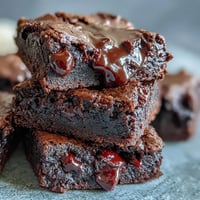
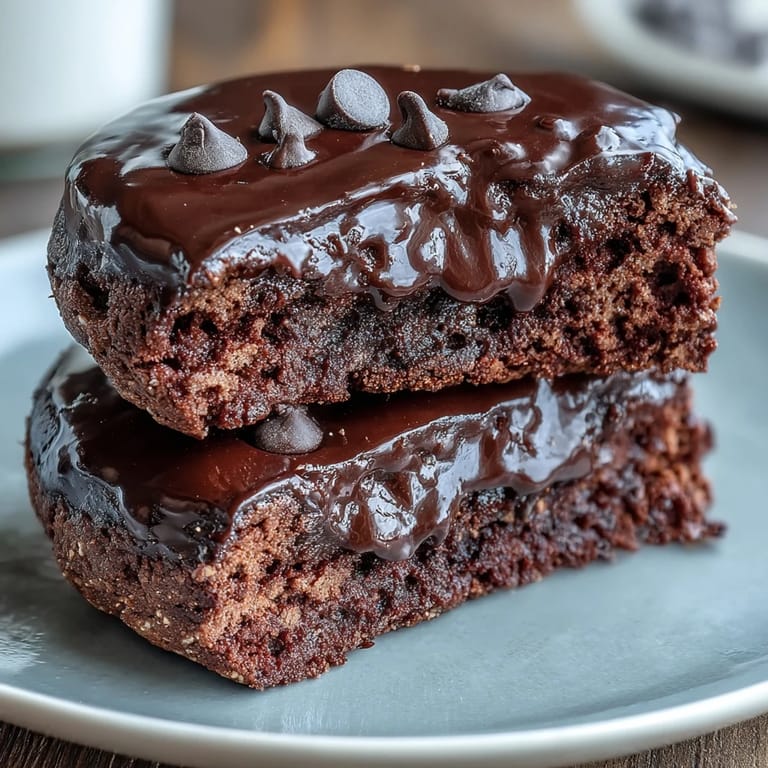
 Save
Save I discovered these cookies by accident when my blender jammed mid-smoothie and I had a full cup of cottage cheese staring back at me. Instead of tossing it, I wondered what would happen if I treated it like a secret ingredient in something sweet. The result was fudgy, protein-packed, and so good that I've been making them ever since—they're the kind of cookie that tastes indulgent but doesn't make you feel guilty afterward.
My friend Sarah came over on a rainy afternoon, and I had just pulled these cookies from the oven. The smell of chocolate hit her the moment she walked through the door, and she was skeptical until she took a bite—she immediately asked if they were healthy or if I was lying to her. Watching her realize they actually were both delicious and good for you felt like winning some kind of cooking lottery.
Ingredients
- Oat flour: This is your base and keeps the cookies tender; make sure it's finely ground or they'll feel gritty.
- Unsweetened cocoa powder: Don't reach for the sweetened stuff—you need the real deal for that deep chocolate flavor that makes people ask if these are actually good for you.
- Chocolate or vanilla protein powder: This is what transforms these from a chocolate cookie into a legitimate protein snack; vanilla actually works better than you'd think because it lets the chocolate shine.
- Baking soda: Just a half teaspoon helps them rise slightly and gives them that slight crackle on top.
- Salt: A quarter teaspoon sounds tiny but it's essential—it cuts through the sweetness and makes the chocolate taste even more intense.
- Low-fat cottage cheese: Blend it until completely smooth or you'll end up with lumps that feel weird in the dough; this is the secret that keeps them so moist.
- Maple syrup or honey: Either works, but maple syrup gives a slightly deeper flavor that pairs beautifully with the chocolate.
- Egg: This binds everything together and helps them hold their shape in the oven.
- Vanilla extract: One teaspoon is all you need to round out the flavor without overpowering anything.
- Melted coconut oil or unsalted butter: This adds richness and helps them bake evenly; coconut oil keeps them slightly softer while butter gives them a bit more structure.
- Dark chocolate chips: Use good quality here because you can taste the difference; cheap chocolate chips turn bitter when baked.
- Mini chocolate chips or chopped chocolate for topping: This part is optional but worth it because they melt slightly and look intentional.
Tired of Takeout? 🥡
Get 10 meals you can make faster than delivery arrives. Seriously.
One email. No spam. Unsubscribe anytime.
Instructions
- Get your oven ready:
- Preheat to 350°F and line your baking sheet with parchment paper—this prevents sticking and makes cleanup actually enjoyable.
- Combine the dry ingredients:
- Whisk together the oat flour, cocoa powder, protein powder, baking soda, and salt in a medium bowl until they're evenly mixed. This step prevents clumps of protein powder from hiding in the final dough.
- Blend the cottage cheese until silky:
- This is crucial—use a blender or food processor and really go at it until there are no visible lumps. A blender works better than a food processor because it creates a smoother texture.
- Build the wet mixture:
- Add the maple syrup, egg, vanilla extract, and melted coconut oil to your blended cottage cheese and pulse just until everything is combined. Don't overblend or you'll deflate the mixture unnecessarily.
- Bring wet and dry together:
- Pour the wet mixture into the dry ingredients and stir gently until just combined—overworking the dough makes cookies dense, and nobody wants that. You should still see a few streaks of dry ingredient, which is actually perfect.
- Fold in the chocolate chips:
- Use a spatula and gently fold them in so they're distributed evenly without breaking them apart. This moment feels satisfying because you can suddenly see all those pockets of chocolate you're about to bite into.
- Scoop and prepare for baking:
- Use a cookie scoop or heaping tablespoon to drop dough onto your parchment paper, leaving about two inches between each cookie. If you want that extra chocolate moment, press a few mini chips or chopped chocolate on top of each one now.
- Bake until the edges are set:
- Bake for 10 to 12 minutes—the key is that the edges should look done while the centers still jiggle slightly when you nudge the pan. They'll continue cooking on the hot baking sheet after you pull them out, so don't overbake or they'll dry out.
- Cool with patience:
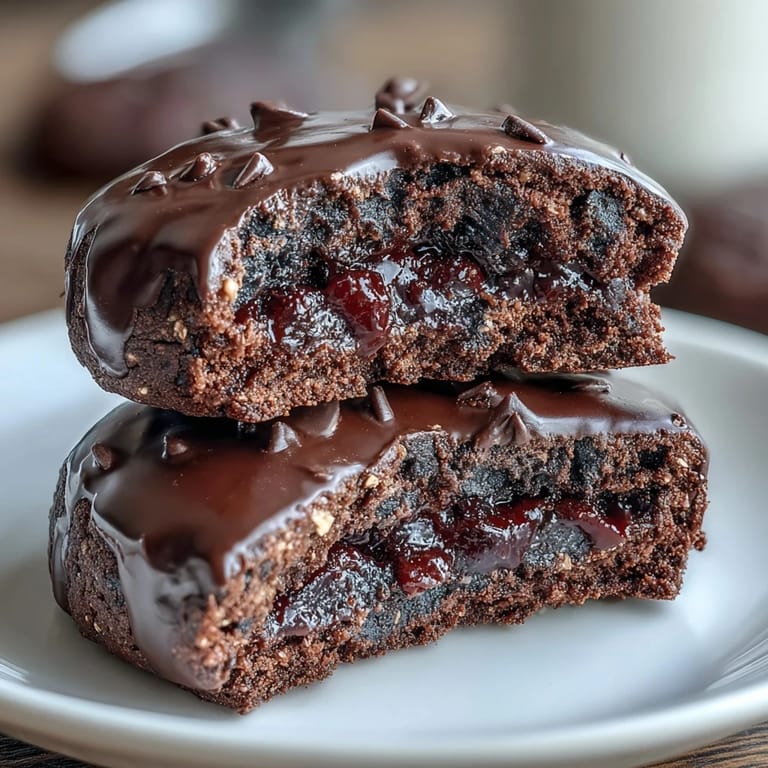
- Let them sit on the baking sheet for five minutes first—this helps them firm up enough to move without falling apart. Then transfer them to a wire rack where they'll finish cooling and develop that perfect fudgy texture.
 Save
Save There's something special about pulling warm chocolate cookies from the oven and realizing they're actually good for you. My partner grabbed one while still warm, took a bite, and said, "These shouldn't be allowed to exist," which I'm pretty sure was a compliment.
The Magic of Cottage Cheese in Baking
Most people think cottage cheese belongs only in savory dishes, but it's genuinely one of the best-kept secrets in protein baking. It adds moisture and creaminess without making things heavy, and because it's already moist, you need less oil than traditional cookies. The blending step is what makes this work—once it's smooth, it acts like an invisible ingredient that just makes everything taste richer and feel more indulgent.
Storage and Make-Ahead Tips
These cookies stay fresh in an airtight container in the refrigerator for up to five days, which makes them perfect for meal prep or just having something good on hand when a sweet craving hits. You can also freeze the dough in portions before baking, so you can bake just two or three cookies at a time if you're worried about eating a whole batch. I've actually kept frozen dough portions in my freezer for up to a month, and they bake just as well straight from frozen—just add an extra minute or two to the baking time.
Ways to Play With These Cookies
Once you master the basic version, these cookies are incredibly forgiving for experimentation. You can swap the oat flour for almond flour if you want a nuttier texture, or go gluten-free by using certified gluten-free oat flour and protein powder. The dark chocolate chips are the star, but I've made versions with white chocolate, chopped nuts mixed in, or even a sprinkle of sea salt on top before baking.
- Try adding a quarter teaspoon of espresso powder to the dry ingredients to deepen the chocolate flavor without making them taste like coffee.
- If you use vanilla protein powder instead of chocolate, add an extra tablespoon of cocoa powder so the chocolate flavor still stands out.
- Store-bought or homemade, these cookies are perfect for breakfast, a post-workout snack, or that 3 p.m. moment when you need something that tastes indulgent but won't derail your day.
 Save
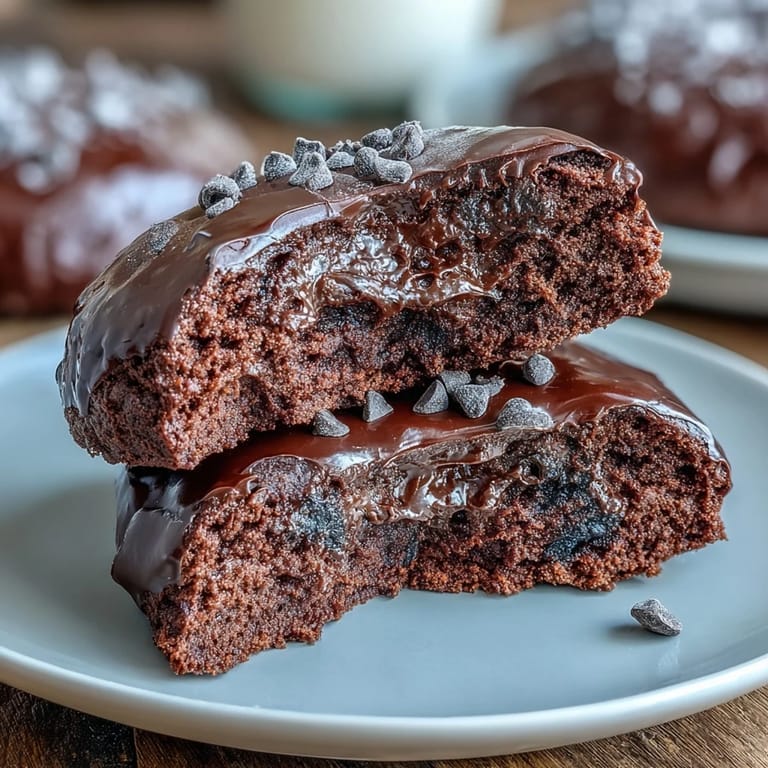
Save These cookies proved to me that healthy eating doesn't mean sacrificing the things you actually want to eat. They've become my go-to when I want something sweet but also want to feel good about it.
Recipe FAQs
- → How does cottage cheese affect the texture?
Cottage cheese adds moisture and protein, creating a soft and fudgy texture while keeping the cookies tender.
- → Can I substitute oat flour with another flour?
Yes, almond flour can be used for a different texture, but it may change the cookie’s density and moisture.
- → What’s the best way to store these cookies?
Store them in an airtight container in the refrigerator for up to five days to maintain freshness and texture.
- → Are these cookies suitable for vegetarians?
Yes, they contain no meat products and include vegetarian-friendly ingredients like eggs and dairy.
- → Can I use sugar-free chocolate chips?
Absolutely, sugar-free chocolate chips work well for a lower sugar option without compromising flavor.