 Save
Save My kitchen smelled like caramelizing onions the afternoon I first tried sneaking vegetables into a pasta sauce without anyone noticing. The trick wasn't hiding them—it was letting them dissolve completely into something so velvety and rich that even the most skeptical eater would ask for seconds without hesitation. This sauce taught me that good food isn't about doing more, it's about doing less with intention, letting simple ingredients become something greater than their parts.
I remember my neighbor stopping by unannounced on a random Tuesday, and I had nothing in the house except pasta and the vegetables in my crisper drawer. Thirty minutes later, we were twirling strands of spaghetti in this sauce, and she kept asking what restaurant I'd ordered from. That moment taught me that simplicity and technique matter far more than fancy ingredients.
Ingredients
- Carrot: One medium carrot adds natural sweetness and body without any grittiness when fully blended.
- Zucchini: Adds moisture and a subtle earthiness that balances the tomato's acidity beautifully.
- Bell pepper: Red or orange varieties are sweeter than green and dissolve into the sauce, deepening the flavor.
- Onion: One small onion becomes the backbone of the sauce's savory depth when sautéed until soft.
- Garlic: Two cloves minced, never burned—that's the difference between fragrant and bitter.
- Celery: One stalk adds a subtle mineral quality that makes the entire sauce taste more complex than it has any right to.
- Crushed tomatoes: Two 400g cans are the foundation; their acidity and body carry everything else.
- Tomato paste: Two tablespoons concentrate the tomato flavor and act as a binder for the blended vegetables.
- Olive oil: One tablespoon is enough for sautéing without making the sauce feel heavy.
- Dried oregano: One teaspoon, toasted gently in the oil first, brings warmth and Italian authenticity.
- Dried basil: One teaspoon complements oregano without overwhelming the delicate vegetable flavors.
- Salt and pepper: A half teaspoon and quarter teaspoon respectively, adjusted at the end once you can taste the finished sauce.
- Sugar: Half a teaspoon optional, but it's a trick I learned for taming overly acidic canned tomatoes.
- Red pepper flakes: A pinch for those who like heat, added at the table rather than during cooking.
- Fresh basil: Chopped just before serving, a reminder that fresh herbs finish what dried ones start.
Tired of Takeout? 🥡
Get 10 meals you can make faster than delivery arrives. Seriously.
One email. No spam. Unsubscribe anytime.
Instructions
- Build your flavor base:
- Heat olive oil in a large saucepan over medium heat until it shimmers slightly. Add the onion, carrot, celery, zucchini, and bell pepper, stirring often as they soften and release their natural juices—you're listening for a gentle sizzle, not a loud pop.
- Wake up the garlic:
- After eight to ten minutes when the vegetables have begun to collapse, add the minced garlic and stir constantly for just one minute; you want fragrant, not brown.
- Deepen with tomato paste:
- Stir in the tomato paste, letting it cook for a full minute in the oil and vegetable juices, which transforms its raw edge into something caramelized.
- Bring it all together:
- Add the crushed tomatoes along with oregano, basil, salt, pepper, and sugar if using, stirring until everything is evenly distributed. The sauce should smell immediately alive and complex.
- Let time do the work:
- Cover and reduce heat to a gentle simmer, stirring occasionally for twenty to twenty-five minutes while the vegetables break down completely and the flavors marry into something greater than their individual parts.
- Smooth it out:
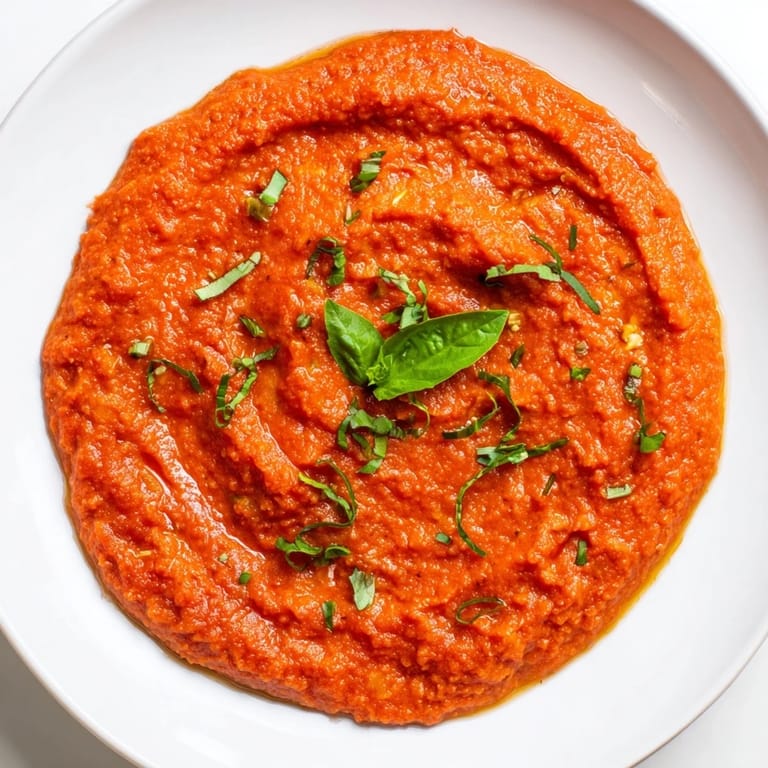
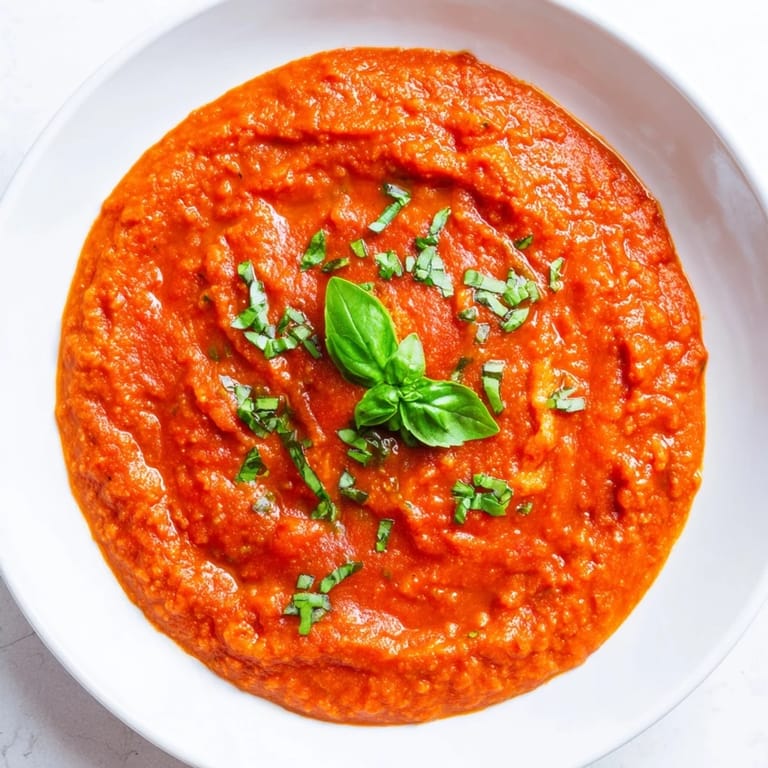
- Remove from heat and use an immersion blender, working it slowly through the sauce until it's completely velvety and no vegetable pieces remain visible; if using a countertop blender, work in batches and be careful with the heat.
- Final polish:
- Return to low heat and simmer uncovered for five to ten minutes, tasting as you go and adjusting salt and pepper until the sauce tastes like something you'd crave.
- Plate and celebrate:
- Serve hot over pasta, garnished with fresh basil if you have it, and accept the compliments knowing you've just made something deceptively simple look effortless.
 Save
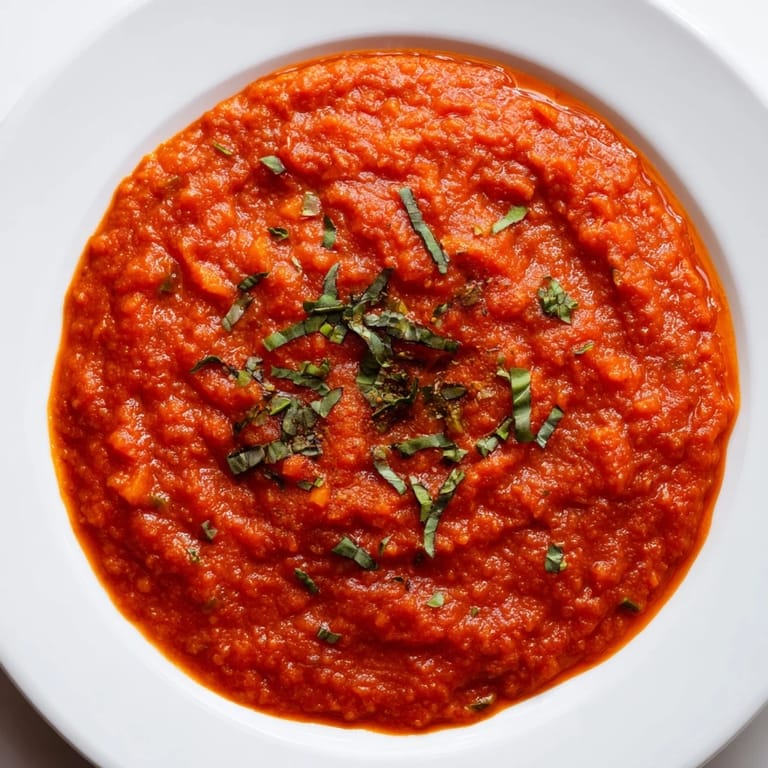
Save There's a quiet moment in cooking this sauce when it finishes blending, and you look at this silky orange-red liquid and realize every vegetable you chopped has disappeared into something smooth and luxurious. That's when it stops being a recipe and becomes something you can stand behind, something you'd serve to anyone, something that feeds people in a way that goes beyond nutrition.
When to Add Extra Vegetables
If you want to push the nutrition even further without compromising the smooth texture, add a handful of fresh spinach or a small handful of broccoli florets right after the garlic—they'll break down completely during the simmer and add nothing but volume and goodness. I've also stirred in chopped mushrooms at this stage and no one ever knew they were there, which somehow made me feel like a genius in my own kitchen.
Making It Heartier
If your pasta night needs more protein, stir in cooked white beans or lentils after blending, heating them through gently without breaking them apart. The beans absorb the sauce flavor and add substance without making it feel heavy or losing that essential silkiness that makes this sauce special.
Storage and Serving Ideas
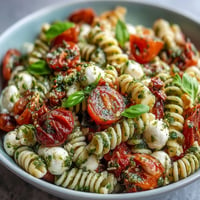
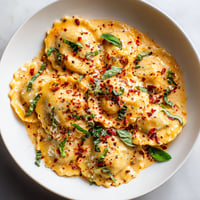
This sauce is remarkably forgiving, freezing beautifully in containers or ice cube trays for up to three months, which means you can make a batch and have weeknight dinners sorted for weeks ahead. It pairs beautifully with any pasta shape, though I prefer it with something that can catch and hold the sauce—pappardelle, rigatoni, or even a simple linguine.
- Cool the sauce completely before freezing to prevent condensation and freezer burn.
- Whole-wheat and gluten-free pastas absorb this sauce differently and often taste better with it than regular pasta.
- If the sauce thickens too much when reheated, thin with a splash of pasta water or vegetable broth to restore its silky character.
 Save
Save This sauce reminds me every time I make it that some of the best meals come from paying attention to what you have rather than chasing what you don't. It's the kind of recipe that gets better the more you make it, not because you're adding anything, but because you're learning to listen to what the ingredients are telling you.
Recipe FAQs
- → Can I add extra vegetables to this sauce?
Yes, adding spinach or broccoli florets during cooking boosts nutrition and flavor without altering the sauce’s texture.
- → How do I achieve a smooth sauce texture?
Use an immersion blender or countertop blender after simmering to purée the mixture until completely smooth.
- → What pasta types pair best with this sauce?
Whole-wheat or gluten-free pasta complements the sauce well and adds fiber for a wholesome meal.
- → Can this sauce be stored for later use?
Yes, it freezes well for up to 3 months, making it convenient to prepare in advance.
- → Is the sauce spicy?
The base sauce is mild, but adding a pinch of red pepper flakes provides optional heat.