 Save
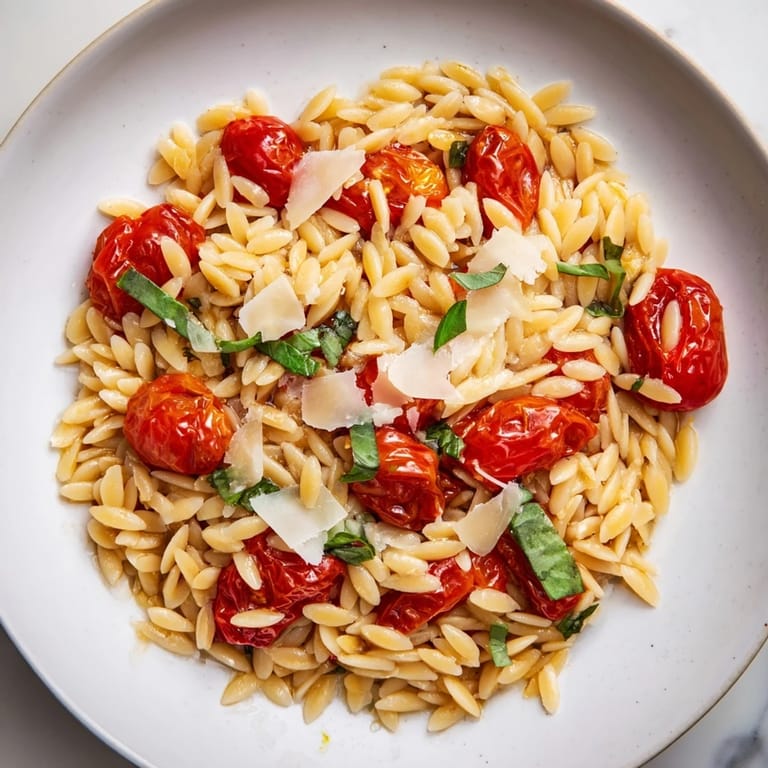
Save There's something about the smell of garlic hitting warm olive oil that instantly transports me to a sunny kitchen, and this orzo came about on one of those afternoons when I had tomatoes from the farmers market practically begging to be used. I wasn't aiming for anything fancy—just something that could come together in less time than it takes to watch a TV episode, something that would taste like summer even in the middle of winter. The first time I tossed it all together, the pasta water made this silky sauce that caught me off guard; I'd expected to need cream but didn't need it at all.
I made this for my neighbor one evening when she stopped by around dinnertime, and watching her take that first bite—the way her whole face relaxed—made me realize this simple dish has real power. It's the kind of food that doesn't announce itself loudly but quietly convinces you that good cooking doesn't require a long list of ingredients or complicated techniques, just genuine ones used with intention.
Ingredients
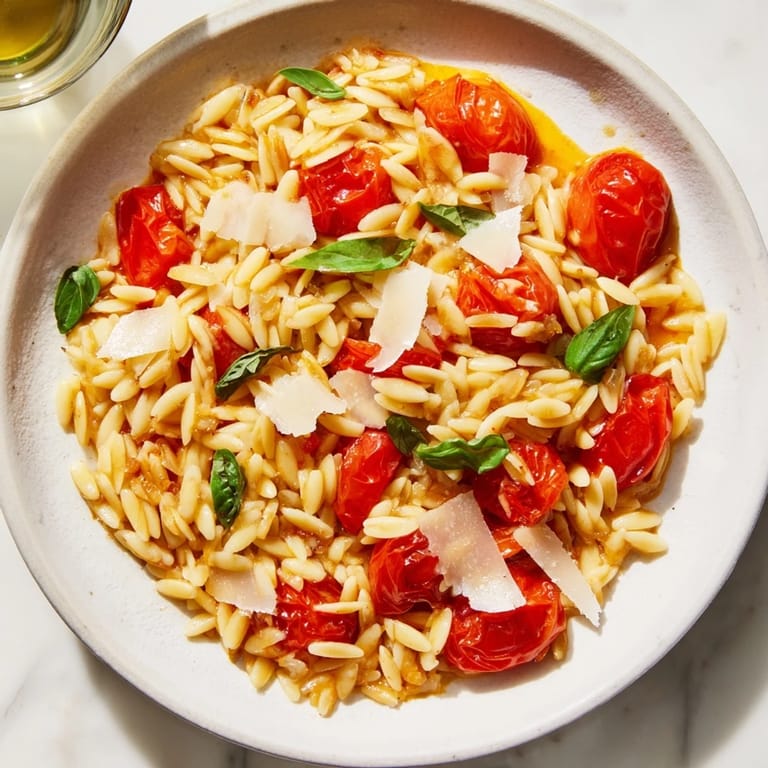
- Orzo pasta: This tiny rice-shaped pasta soaks up flavors beautifully and cooks quickly; I've learned it's the perfect vehicle for light sauces since it catches every droplet of oil and tomato juice.
- Cherry tomatoes: Their natural sweetness intensifies as they warm and burst slightly, creating a foundation that needs nothing more than salt and good olive oil.
- Garlic: Minced fine and bloomed in oil, it becomes almost sweet rather than harsh, flavoring everything without overpowering the delicate tomatoes.
- Fresh basil: Added at the end so it stays bright and green; this is where the Mediterranean sunshine actually lives in the dish.
- Parmesan cheese: Freshly grated makes a real difference—pre-grated versions have anti-caking agents that prevent them from melting smoothly into the warm pasta.
- Extra-virgin olive oil: Use one you actually like tasting, because it's doing most of the heavy lifting here and deserves to be a star ingredient.
- Black pepper and salt: These are your final seasoning moment, letting you balance everything to your taste right before serving.
Tired of Takeout? 🥡
Get 10 meals you can make faster than delivery arrives. Seriously.
One email. No spam. Unsubscribe anytime.
Instructions
- Get your water going:
- Bring a large pot of well-salted water to a rolling boil—it should taste like the sea. This is where your orzo starts its transformation, and the starch in the cooking water becomes a secret ingredient later.
- Cook the orzo:
- Add it to the boiling water and cook according to the package timing, stirring occasionally so the grains don't clump. Test it at the lower end of the suggested time; you want it tender but still with a slight bite.
- Build your tomato base:
- While the pasta cooks, warm olive oil in a large skillet over medium heat until it shimmers slightly, then add your minced garlic. Let it sizzle for just 30 seconds—you'll know when the smell shifts and becomes sweeter—then immediately add the tomatoes.
- Let the tomatoes work their magic:
- Stir them gently for 3 to 4 minutes, and you'll see them begin to soften and release their juices into a light sauce. The warmth brings out their sweetness without any added sugar.
- Bring everything together:
- Drain your orzo well, but keep that cooking water nearby. Add the warm pasta to the skillet along with a splash of the reserved pasta water, tossing gently so everything melds together. The starchy water creates a light, silky coating.
- Finish with finesse:
- Remove from heat, then stir in the remaining olive oil, most of the Parmesan, fresh basil, salt, and pepper. Taste it; this is your moment to adjust seasoning until it feels right to you.
- Serve immediately:
- Transfer to bowls or plates while everything is still warm, and shower each portion with extra Parmesan and a few torn basil leaves. It's best eaten right away while the pasta is tender and the flavors are bright.
 Save
Save This dish taught me that sometimes the most memorable meals aren't the complicated ones—they're the ones that let each ingredient speak clearly and depend on you to choose quality and simplicity. I think of this orzo whenever I'm tempted to overcomplicate things in the kitchen and in life.
Variations That Work
One evening I added a pinch of red pepper flakes while the garlic bloomed, and suddenly the whole dish had this warm undertone that made it feel less like spring and more like autumn. I've also swapped the Parmesan for Pecorino Romano when I wanted something sharper and more assertive, and I've thrown handfuls of fresh spinach or peppery arugula into the warm skillet for color and nutrition. Each change feels natural rather than forced.
What to Serve It With
This orzo is light enough to be a main course for a weeknight dinner or elegant enough to serve as a side dish alongside fish or roasted chicken. A crisp white wine like Pinot Grigio cuts through the richness of the olive oil and Parmesan beautifully, and a simple green salad with lemon dressing on the side keeps everything balanced and refreshing.
A Note on Ingredients
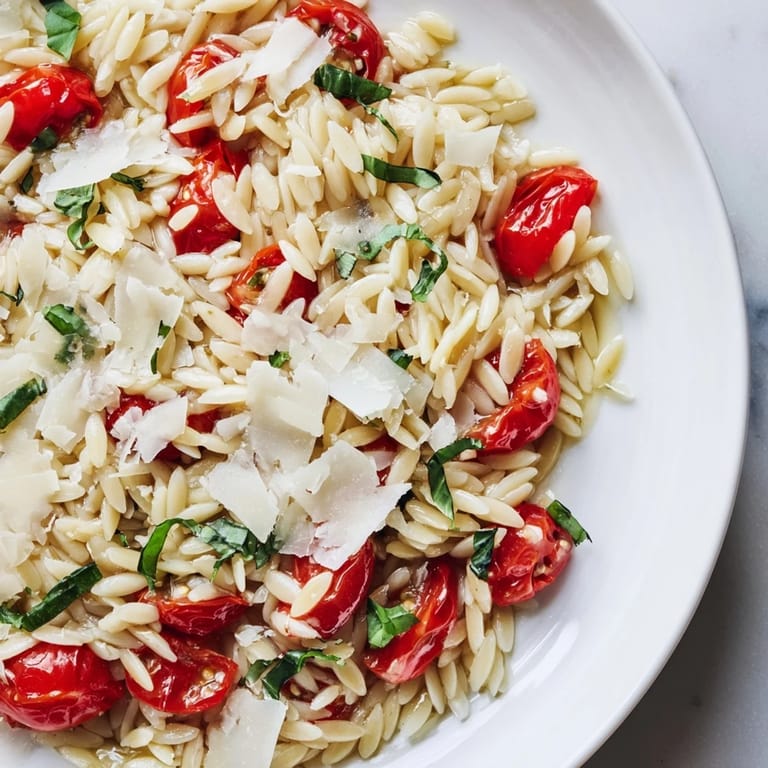
I've learned that this recipe lives or dies by the quality of three things: the olive oil, the Parmesan, and the tomatoes. When I buy the cheapest version of any one of these, the dish tastes thin and forgettable. When I invest in a good extra-virgin oil, real Parmigiano-Reggiano, and tomatoes that actually taste like tomatoes, something almost magical happens.
- Fresh basil makes a visible and taste-able difference, so seek it out rather than settling for dried.
- If you can't find cherry tomatoes that taste sweet, use whatever tomatoes are best in your market and add a tiny pinch of sugar to coax out their natural flavor.
- Grate the Parmesan yourself rather than buying pre-grated; the anti-caking agents in the packaged version prevent proper melting.
 Save
Save This dish reminds me why I cook in the first place—for the simplicity of good ingredients treated with respect, and for the way a meal can bring someone a moment of joy on an ordinary day. It's proof that you don't need hours in the kitchen to create something that feels thoughtful and delicious.
Recipe FAQs
- → What type of pasta is used in this dish?
Orzo pasta, which is small and rice-shaped, is used to create a delicate and comforting base.
- → How are the tomatoes prepared?
Cherry tomatoes are halved and lightly sautéed with garlic to soften and release their natural juices, adding sweetness and depth.
- → Can I substitute Parmesan with another cheese?
Pecorino Romano is a great alternative for a sharper, saltier flavor, complementing the other ingredients well.
- → What is the purpose of reserving pasta cooking water?
Adding reserved pasta water helps loosen the mixture and create a silky, cohesive texture for the dish.
- → How can I add a spicy kick to the dish?
Including a pinch of red pepper flakes while sautéing the garlic adds a subtle heat without overpowering the flavors.
- → Is this dish suitable for vegetarians?
Yes, this dish is vegetarian-friendly, featuring no meat or animal-derived ingredients other than dairy cheese.