 Save
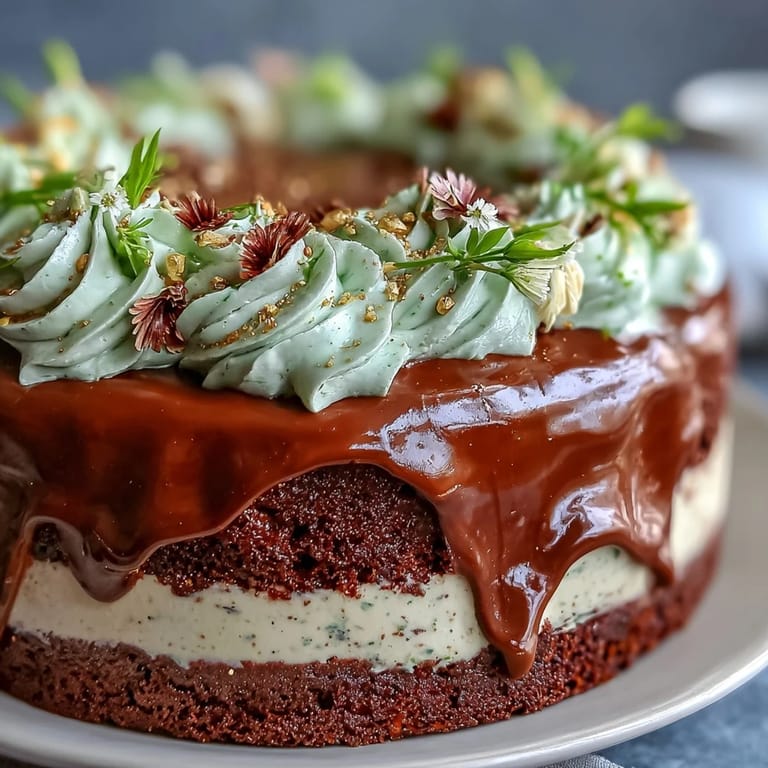
Save As soon as the warm aroma of bubbling butterscotch fills my kitchen, I know something extraordinary is underway. The Taurus Cake came into my life on a rainy afternoon, when the urge for a project as earthy and comforting as the weather struck. While folding in silky buttercream tinted with matcha and cocoa, I realized this cake is as much about creativity as it is about flavor. Not every cake I bake inspires me to scatter edible flowers and herbs with such intention. Sometimes, beauty feels like an extension of the ingredients themselves.
The first time I made this for a spring gathering, I set the finished cake on the table and the conversation paused—just for a moment—while everyone took it in. I remember laughing at the streaks of matcha on my apron and the faint lavender scent that lingered on my fingers long after. My brother asked if the gold dust was edible, and my niece plucked a tiny pansy off the top before anyone cut a slice. There&apost;s something about assembling and decorating a cake like this that feels like planning a surprise, right up to the moment you unveil it. It&apost;s become a family tradition to customize the colors and flowers depending on whose birthday we're celebrating.
Ingredients
- All-purpose flour: Gives the cake its sturdy crumb—I like to spoon and level it for a tender texture.
- Brown sugar: Provides that signature caramel warmth; dark brown gives more depth if you prefer it bolder.
- Unsalted butter: Essential for flavor clarity in both sauces and cake; make sure it&aposs; softened for creaming.
- Sour cream/yogurt: Keeps the sponge moist and plush—I've found yogurt lends a subtle tang.
- Butterscotch sauce: Homemade for true richness; don&apost;t skip cooling it before mixing in.
- Rose water: A little goes a long way—if you use too much, the floral notes overpower the cake.
- Natural colorants: Matcha, beet powder, cocoa, and turmeric each deliver earthy colors and subtle flavors; mix them gradually for your perfect shade.
- Edible flowers and herbs: They transform the cake&aposs; look—source from trusted places and wash gently before adding.
Tired of Takeout? 🥡
Get 10 meals you can make faster than delivery arrives. Seriously.
One email. No spam. Unsubscribe anytime.
Instructions
- Set up and Prep:
- Preheat your oven to 350°F and line three pans with parchment; the sizzle of the first butter melting means you're almost there.
- Butterscotch Sauce:
- Melt butter and brown sugar in a saucepan, stirring until the kitchen smells caramelized and warm—add the cream, simmer, then finish with vanilla and a pinch of salt before cooling.
- Sponge Batter:
- Whisk your dry ingredients and, in a separate bowl, cream the butter and sugar until fluffy; eggs should go in one by one for a smooth, almost glossy texture.
- Combine Layers:
- Gently fold in sour cream and cooled butterscotch, then alternate flour mix and milk until just blended—overmixing makes the cake dense, so take a gentle hand.
- Bake and Cool:
- Divide evenly and bake until golden and aromatic, about 30 minutes; let them rest before turning out to cool completely on racks.
- Buttercream Magic:
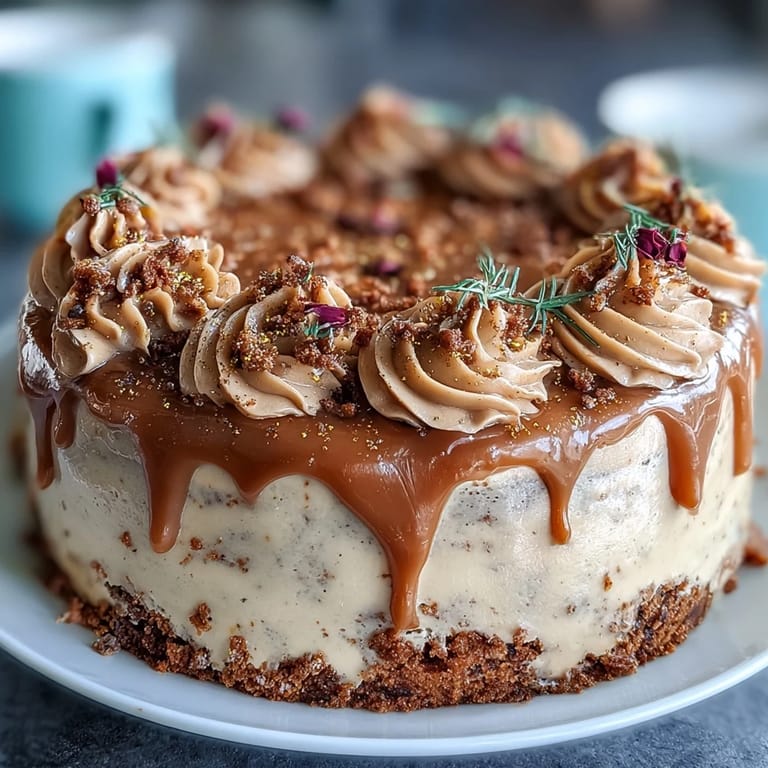
- Beat softened butter until pale and airy, then add powdered sugar gradually—rose water and lavender bring floral notes, and natural colorants swirl together for beautiful, earthy hues.
- Layer and Chill:
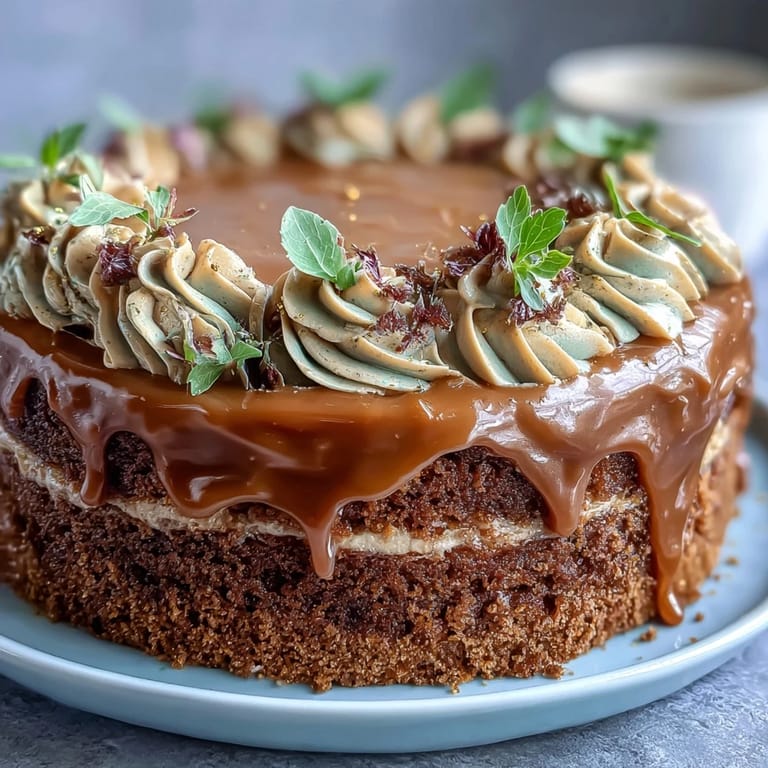
- Stack cakes with generous dollops of buttercream, smoothing soft waves of colored icing around the sides; a quick chill in the fridge sets everything perfectly.
- Final Flourishes:
- Decorate with edible flowers and herbs, finishing with a glint of gold—this is when you can show off a bit of artistry.
 Save
Save 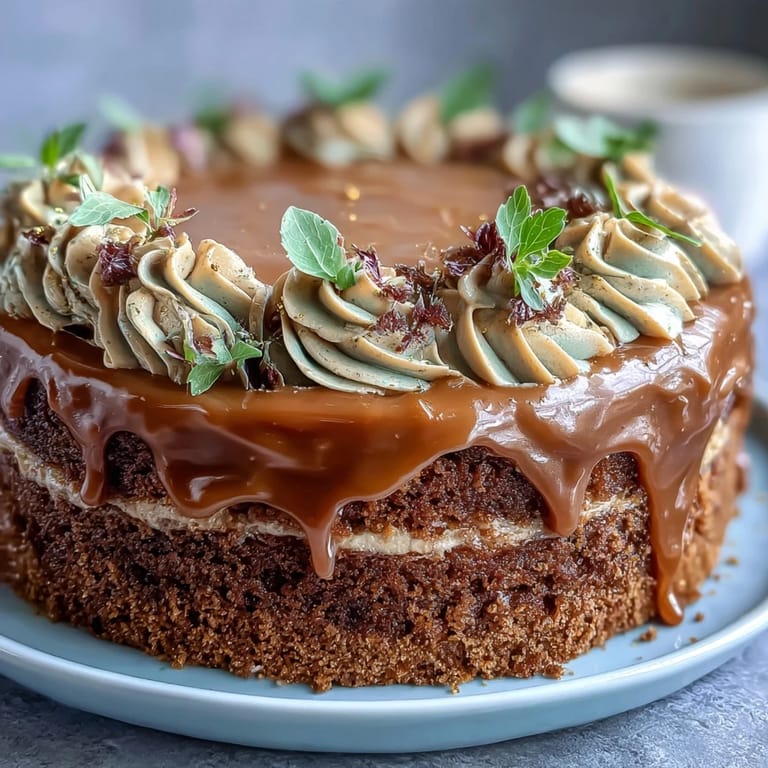 Save
Save It was during my best friend's birthday, with jazz humming softly in the background, that I realized this cake turned an ordinary evening into an occasion. The floral buttercream was the conversation starter, but the rich butterscotch sponge had everyone sneaking seconds before the night was through.
Choosing Your Colors and Edible Decor
Experimenting with natural colors the first time was a bit chaotic—my green was too faint and my beet pink too bold, but the unexpected shades turned out beautifully unique. Edible flowers like pansies and violets add cheerful pops of color and a delicate finish. Just be sure every flower and herb is safe for consumption and washed gently. I find a little goes a long way for both flavor and style. Mix and match depending on the season or what’s available near you.
Getting the Perfect Texture
One thing I learned is that using room temperature ingredients—especially eggs and butter—makes for a much smoother batter. Cold eggs can curdle your mixture, so I usually set all my cold ingredients out at least an hour before baking. The difference in the crumb is worth the bit of planning ahead. If you’re in a rush, soak eggs in warm water for a few minutes. Light-handed mixing is the secret to keeping things fluffy.
Serving Suggestions & Cake Storage
This cake has made appearances with everything from afternoon tea to grand birthday toasts and is always well-received. It pairs best with floral dessert wines or brewed Earl Grey—something that echoes the flower notes in the buttercream. Store at room temperature under a cover if you're using only dried flowers, but pop it in the fridge if you've decorated with fresh ones. Leftovers (if you're lucky to have any) keep their flavor for days.
- Bring to room temperature before serving for maximum flavor.
- Slice with a warm knife for clean cuts.
- If you refrigerate, let buttercream soften slightly before cutting.
 Save
Save 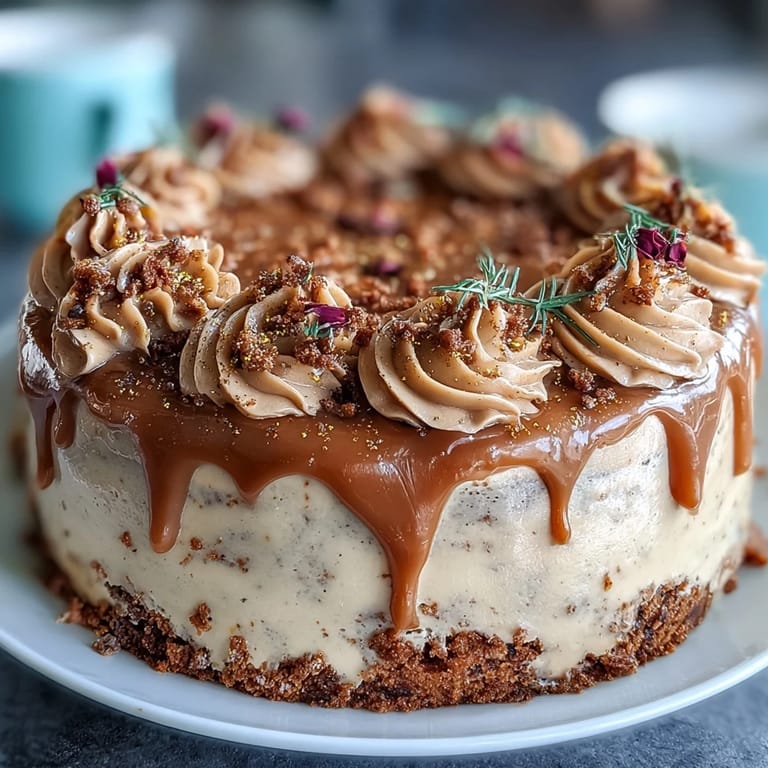 Save
Save Creating this Taurus Cake feels like a little celebration of spring and self-expression every time. However you decorate it, I hope you find as much delight in making and sharing it as I have.
Recipe FAQs
- → How do I make the butterscotch sauce without it seizing?
Melt butter over medium heat, stir in brown sugar until dissolved, then add cream and simmer gently. Keep stirring and avoid high heat so the sugar integrates smoothly and the sauce stays glossy. Cool before folding into batter to prevent thinning.
- → Which natural colorants give the best earth tones?
Matcha yields soft greens, beet powder makes muted pinks, cocoa provides brown depth, turmeric gives warm yellows, and spirulina can add muted teal tones. Use sparingly and test small buttercream portions to reach subtle, layered hues.
- → How can I keep the sponge moist when baking three layers?
Do not overmix batter; bake until a toothpick comes out clean but still slightly moist. Let pans cool 10 minutes before turning out, and brush layers with a thin butterscotch glaze if desired. Storing assembled cake at room temperature for up to 2 days helps retain softness.
- → Can I swap rose water for another floral option?
Yes. Orange blossom water or a hint of extra vanilla will shift floral notes. Start with small amounts—floral extracts concentrate quickly—so the buttercream remains balanced and not overpowering.
- → What’s the best way to achieve smooth, multi-toned swirls on the outside?
Divide buttercream into portions, tint each lightly, then apply bands or dollops and use an offset spatula or bench scraper to blend gently. Chill briefly between passes to firm the layers and sharpen the earth-toned effect.
- → How should I store the finished cake?
Cover loosely at room temperature for up to 2–3 days if using sturdy edible decorations; refrigerate if using fresh flowers or warmer climates. Bring to room temperature before serving for best texture and flavor.