 Save
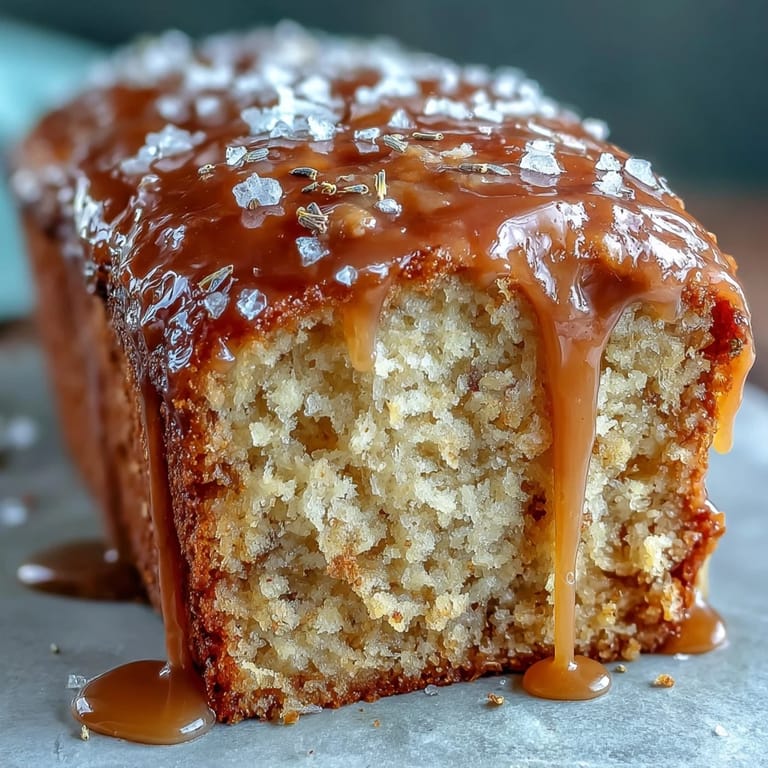
Save The very first time I combined lemon and lavender in my kitchen, I was intrigued by how their scents mingled—the lemon’s zing with the lavender’s serene perfume wafting through the room felt almost like capturing spring in the air. To my surprise, as the loaf baked, even the neighbors paused outside my window to investigate the source of the fragrance. Some days, I make this loaf simply for the peaceful mood it sets while it bakes—calming and bright all at once. It’s become my remedy when the afternoon feels too busy, and I crave something a little special to share. The honey glaze at the end is always the crowning touch: glossy, fragrant, and just sweet enough to tie it all together.
One grey Sunday, I made this loaf for a friend who swore she didn’t even like floral flavors. As we chatted at the kitchen counter, she absentmindedly took a second slice and then another, insisting it was only because it was “for science.” We ended up sitting, picking crumbs from the plate, the sunlight finally breaking through as we shared the last bite. That day, I realized this loaf is less about lavender or lemon alone and more about creating something unexpectedly comforting for company. Some recipes just sneak into your favorites like that—they become part of your stories.
Ingredients
- All-purpose flour: The backbone of the loaf, creating a tender crumb—measure lightly for the best texture.
- Baking powder and baking soda: These give the cake lift and lightness; I always double-check mine haven’t expired for reliable results.
- Salt: Just a pinch sharpens the flavors and keeps things from tasting flat.
- Culinary dried lavender buds: A little goes a long way—rub them between your fingers to release their essential oils for a fragrant punch.
- Lemon zest (from 2 lemons): The zest adds brightness; I favor a microplane for the finest strips without the bitter pith.
- Unsalted butter, room temperature: Creamy butter is what carries both the lemon and lavender beautifully; make sure it’s soft for perfect mixing.
- Granulated sugar: Sweetens and aids in aeration—I beat it with the butter until fluffy clouds form.
- Large eggs, room temperature: Add one at a time for the silkiest, most unified batter.
- Greek yogurt or sour cream: This ensures a moist and rich loaf—full-fat is my go-to for the best crumb.
- Whole milk: Adds richness; sometimes I infuse it gently with extra lavender for even more flavor.
- Fresh lemon juice: Don’t skip fresh—bottled never quite matches the sparkle of just-squeezed.
- Pure vanilla extract: The vanilla rounds everything out and softens the herbal notes.
- Powdered sugar (for glaze), sifted: Sifting is key to a super smooth glaze every time.
- Honey: Adds floral depth and natural sweetness to the glaze; try to use one with a mild flavor that won’t overpower the lemon.
Tired of Takeout? 🥡
Get 10 meals you can make faster than delivery arrives. Seriously.
One email. No spam. Unsubscribe anytime.
Instructions
- Prepare your pan and heat the oven:
- Set your oven to 350°F (175°C), grease your loaf pan thoroughly, and line it with parchment—don’t skip the lining or your loaf might stick.
- Whisk dry ingredients:
- In a medium bowl, whisk flour, baking powder, baking soda, salt, lavender, and lemon zest together, pausing to inhale the bright aroma—it’s a small preview of what’s to come.
- Cream the butter and sugar:
- Beat butter and sugar with an electric mixer until pale and airy—be patient here, the fluffier the mix, the lighter your crumb.
- Add eggs:
- Crack in the eggs one at a time, mixing well, and enjoy seeing the batter become silky and golden.
- Add dairy and flavorings:
- Gently fold in the yogurt (or sour cream), milk, lemon juice, and vanilla, scraping down the sides to keep everything unified.
- Combine and finish the batter:
- Add the dry ingredients a bit at a time, mixing only until just combined—overmixing will make your loaf tough.
- Pour and smooth:
- Scrape batter into your prepared pan and smooth the top with a spatula—sometimes I sprinkle a pinch of extra lavender on now for a pretty surface.
- Bake:
- Slide the pan into the oven and bake 45–50 minutes, or until a toothpick comes out clean; the smell will become almost irresistible.
- Cool:
- Let the loaf rest in the pan for 10 minutes, then tip it onto a wire rack to cool completely before glazing—waiting is the hardest part.
- Mix the glaze:
- Whisk powdered sugar, honey, and lemon juice in a small bowl until glossy and pourable, adjusting with a splash more juice if too thick.
- Glaze and serve:
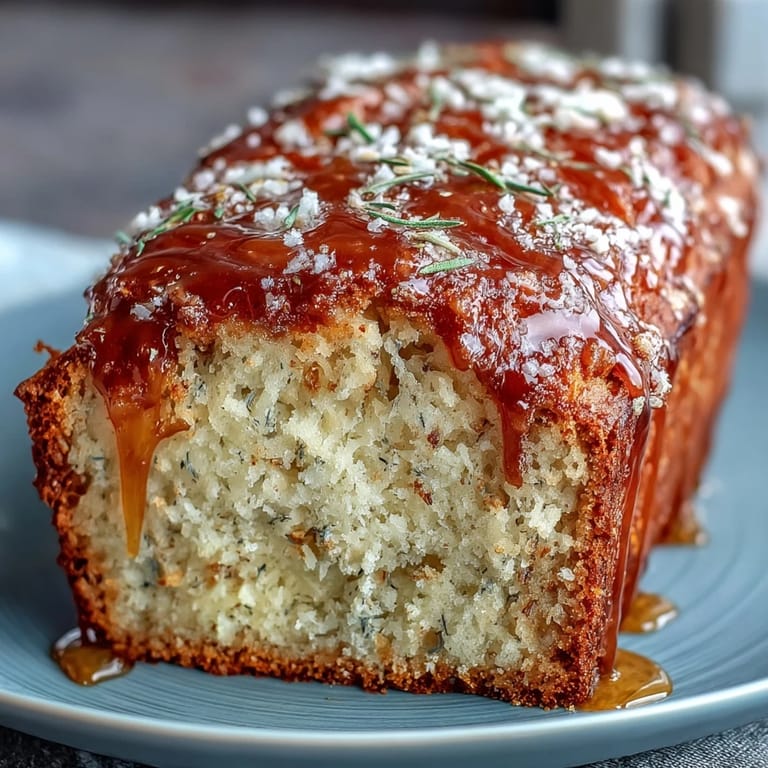
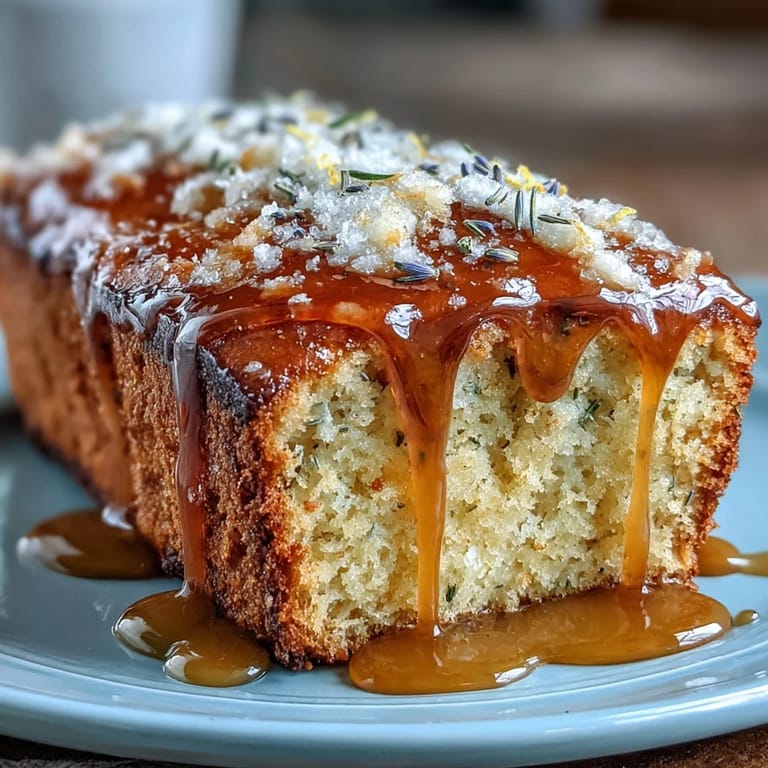
- Drizzle the glaze generously over the fully cooled loaf, letting it drip down the sides before slicing and serving.
 Save
Save There was one afternoon when I brought this loaf to a friend’s baby shower—even amid a table crowded with pastries, this cake disappeared first. Someone asked if there was a candle burning when they entered because the scent was so inviting. The plate was wiped clean long before the tea cooled. Watching everyone gather around for ‘just a sliver’ made me realize how something simple can feel celebratory. That’s when this recipe became my secret weapon for any occasion needing a gentle wow factor.
How to Highlight Lemon and Lavender
The true key is balancing the assertiveness of lemon with the subtlety of lavender—if you ever worry it will taste soapy, try rubbing the buds gently between your palms before adding, which awakens their fragrance without overwhelming the loaf. I’ve found fresh lemon zest right before baking is brighter than zesting ahead of time. And if you’re in doubt, a tiny squeeze of lemon over each slice wakes everything up.
Choosing and Using Lavender
Only ever use culinary lavender—often labeled as ‘edible’—as garden varieties can be bitter. I keep a small jar in the pantry reserved just for baking and sometimes sneak a little into homemade shortbread as well. If you’re new to it, start with half the amount and taste the batter.
Simple Ways to Dress Up Your Loaf
Once the glaze sets, I love to scatter extra lemon zest or a pinch of lavender buds on top for a bakery-worthy finish. For special occasions, a few edible flowers elevate the look instantly. Even a simple dusting of powdered sugar is charming if you prefer less fuss.
- If slicing for a crowd, wipe the knife between cuts for clean edges.
- Store any leftovers tightly wrapped—they stay moist for up to 3 days.
- Always let the loaf cool completely before applying glaze for the prettiest drip.
 Save
Save Baking this loaf is my way of pressing pause and savoring the little things. May it bring your kitchen a bright moment, whether shared or enjoyed on a quiet afternoon.
Recipe FAQs
- → How can I intensify the lavender aroma?
Gently heat the milk with 1–2 teaspoons of culinary dried lavender, steep for 10–15 minutes off the heat, then strain before adding. This releases floral oils without adding grit or bitterness.
- → What can I use instead of Greek yogurt?
Buttermilk or sour cream work well in equal measure; they keep the crumb tender and add a subtle tang. If using buttermilk, no further thinning is usually needed.
- → How do I know the loaf is done baking?
Insert a toothpick into the center—if it comes out clean or with a few moist crumbs, it's done. The top should be golden and spring back lightly when touched; baking 45–50 minutes is typical.
- → How do I avoid a bitter lavender taste?
Use culinary-grade lavender and measure carefully (about 1 tablespoon dried for the loaf). Avoid oversteeping or using too much; a quick milk infusion and straining prevents overpowering bitterness.
- → Can this be made gluten-free?
Yes—use a 1:1 gluten-free flour blend that contains a binder (or add 1/2 teaspoon xanthan gum). Watch texture and avoid overmixing; bake time may vary slightly.
- → How should I store or freeze the loaf?
Keep the cooled loaf wrapped airtight at room temperature for 2–3 days. For longer storage, slice, wrap tightly, and freeze up to 3 months; thaw before glazing or glaze after thawing for best texture.