 Save
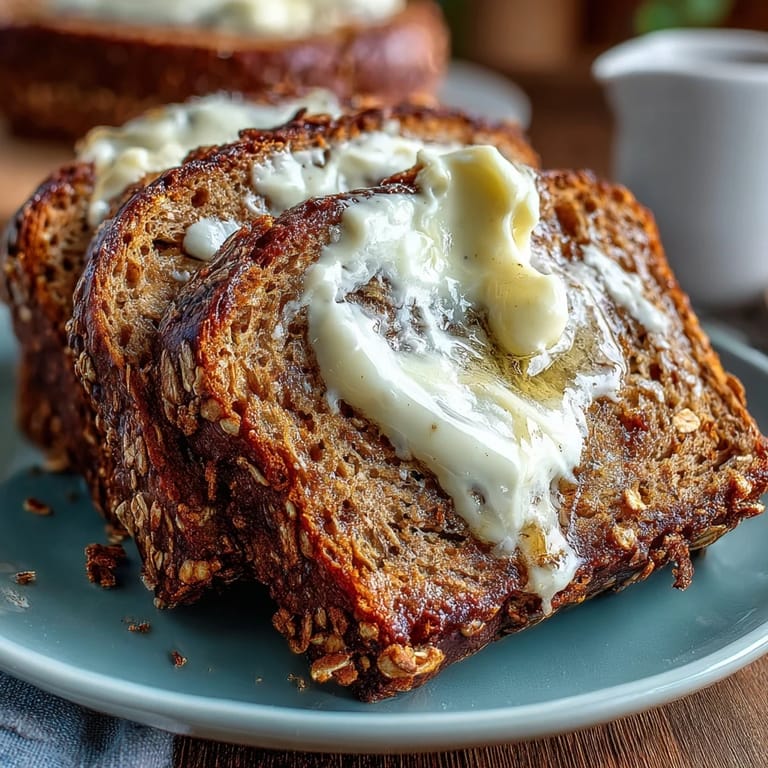
Save There's something about the smell of Irish brown bread baking that stops time. My neighbor once brought over a warm loaf wrapped in linen, and I remember standing in her kitchen as she spread honey butter across a still-warm slice, watching it melt into golden rivers. That afternoon taught me that the best breads aren't complicated—they're honest. This one has been my go-to ever since, especially on mornings when the kitchen feels cold and needs warming up.
I made this for my sister's book club once, and somehow it became the thing everyone remembered instead of the wine. Someone joked that I'd weaponized comfort food, and honestly, they weren't wrong. The bread disappeared in minutes, and three people asked if I could teach them. That's when I realized rustic doesn't mean difficult—it just means real.
Ingredients
- Whole wheat flour (2 cups): Use Irish-style if you can find it, but any quality whole wheat works. This is where the bread gets its character and nutty depth.
- All-purpose flour (1 cup): This lightens the crumb and keeps the bread from becoming dense and heavy.
- Baking soda (1 teaspoon): This is your leavening agent—it reacts with the buttermilk to create lift without yeast.
- Salt (1 teaspoon): Don't skip this; it enhances every flavor and strengthens the gluten network.
- Rolled oats (2 tablespoons, plus extra for topping): These add texture and a subtle sweetness that makes people wonder what your secret is.
- Brown sugar (2 tablespoons): A touch of sweetness that rounds out the earthiness of the whole grains.
- Buttermilk (2 cups): This is essential—it's what makes the crumb tender and what activates the baking soda to create lift.
- Unsalted butter (1/2 cup, softened): For the honey butter, use the good stuff because it's the star here.
- Honey (2 tablespoons): Floral, rich honey makes all the difference in the spread—cheap honey tastes thin by comparison.
Tired of Takeout? 🥡
Get 10 meals you can make faster than delivery arrives. Seriously.
One email. No spam. Unsubscribe anytime.
Instructions
- Heat your oven and prepare:
- Set your oven to 425°F (220°C) and line a baking sheet with parchment paper or lightly grease a loaf pan. You want everything ready because this dough doesn't appreciate waiting around.
- Combine your dry ingredients:
- In a large bowl, whisk together the whole wheat flour, all-purpose flour, baking soda, salt, rolled oats, and brown sugar. Take your time here—this whisking ensures the baking soda distributes evenly so you don't get bitter pockets.
- Add the buttermilk gently:
- Make a well in the center and pour in your buttermilk all at once. With a wooden spoon, stir gently until everything just comes together into a soft, shaggy dough. The moment it's combined, stop—overmixing develops gluten and makes the bread tough instead of tender.
- Shape the loaf:
- Turn the dough onto a lightly floured surface and shape it into a round loaf about 2 inches thick. Your hands will feel sticky; that's right. Place it on your prepared sheet or pan.
- Mark with the cross:
- Using a sharp knife, cut a deep cross on top—this is both traditional and practical, as it helps the bread bake evenly. Sprinkle a few extra oats on top if you like how they look.
- Bake until golden:
- Slide into the oven for 35–40 minutes until the crust turns golden brown and the bottom sounds hollow when you tap it. The kitchen will fill with a smell that makes you understand why this bread has survived centuries.
- Cool and make the honey butter:
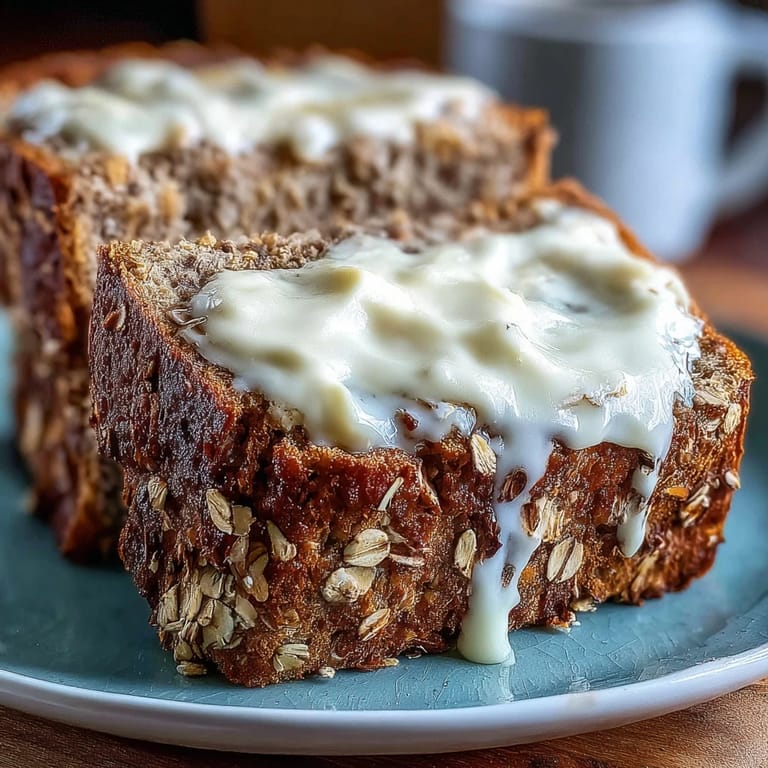
- Let the bread cool on a wire rack while you beat the softened butter with honey and a pinch of salt until it's smooth and creamy. Cool hands help here—warm butter gets greasy.
- Slice and serve:
- Once the bread has cooled enough to slice without falling apart, cut thick slices and spread generously with that honey butter.
 Save
Save My partner came home one afternoon to find the kitchen fogged with steam and the bread cooling on the rack, and he just stood there taking it in. He didn't ask questions—he just started getting plates and butter. That's when I knew this bread had earned its place in regular rotation, not just for special occasions.
Why This Bread Never Disappoints
Irish brown bread is forgiving because it doesn't depend on precise technique or yeast fermentation. What it does depend on is good ingredients and respecting the dough's nature. The buttermilk does the heavy lifting, reacting with the baking soda to create lift and tenderness without any fuss. Once you understand that, you'll make this bread confidently every single time.
Storage and Second Life
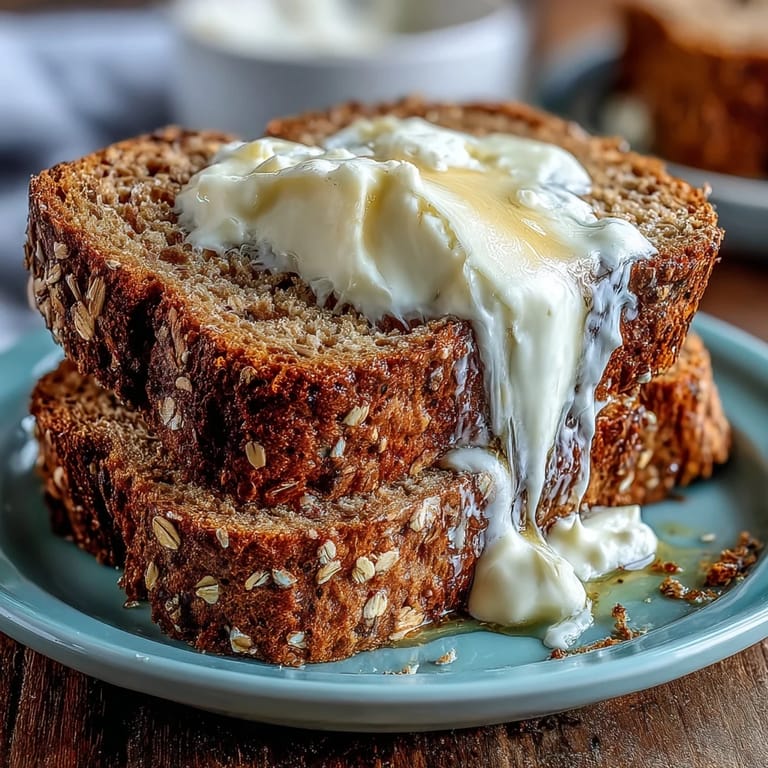
Wrap cooled bread in linen or a kitchen towel and it'll stay fresh for two days. After that, it makes incredible toast—slice it thick, butter it while it's still warm, and you've got breakfast that tastes almost as good as fresh. I've also frozen slices and popped them straight into the toaster on busy mornings.
Variations Worth Trying
The basic recipe is a foundation, and it welcomes additions. I've stirred in chopped walnuts and seeds for texture, added a tablespoon of molasses for deeper flavor, and even mixed in dried fruit when I was feeling adventurous. The bread stays reliable and tender no matter what you fold in, as long as you don't overmix.
- For a nuttier loaf, add 1/4 cup chopped walnuts or sunflower seeds to the dry ingredients.
- If you want it vegan, swap the butter for a quality plant-based version and mix non-dairy milk with a teaspoon of vinegar to replicate buttermilk.
- A tablespoon of molasses or treacle deepens the flavor if you're after something darker and more complex.
 Save
Save This bread is proof that the simplest things often taste the best. Serve it warm with honey butter, alongside soup, or toasted with scrambled eggs, and watch people light up.