 Save
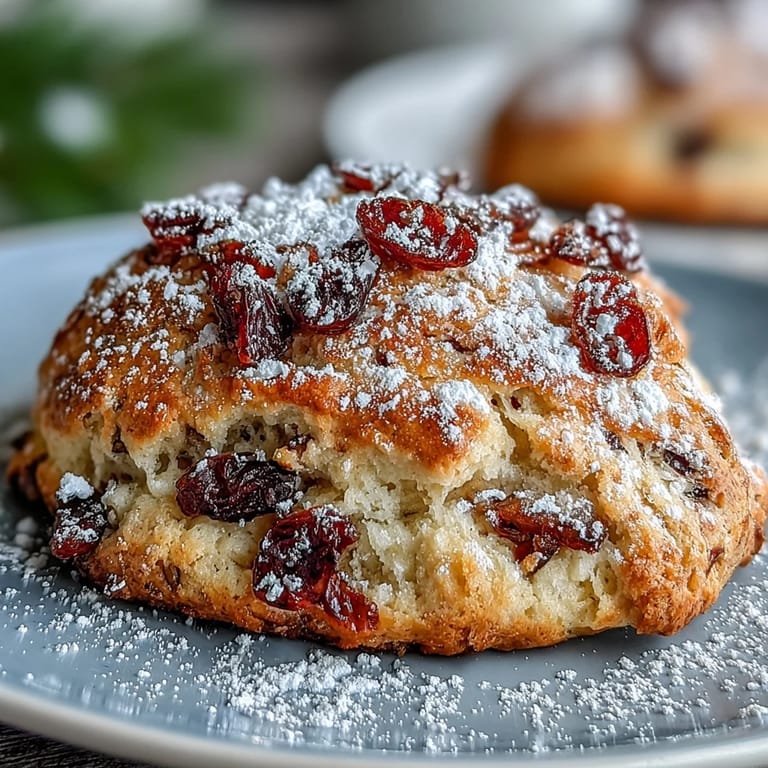
Save My sister texted me a photo of these scones from a cafe in London, and I spent three days trying to reverse-engineer them before I realized the secret was just cold butter and not overworking the dough. These candied orange cranberry scones became my answer to every brunch invitation that winter, and honestly, they're the kind of thing that makes people ask for the recipe before they've even finished eating.
I made a double batch last February when my neighbors came over unexpectedly, and watching them bite into a warm scone with that little crunch of candied peel was the moment I stopped second-guessing my baking instincts. The steam rising off the plate and the way the orange zest caught the morning light made it feel like something simple had become special.
Ingredients
- All-purpose flour: Two cups is your foundation, and it needs to stay cool, so some people even chill it first.
- Granulated sugar: Just a quarter cup, because the candied peel brings plenty of sweetness on its own.
- Baking powder: One tablespoon is crucial for that tender crumb and gentle rise.
- Fine sea salt: A half teaspoon brightens everything without being noticeable.
- Dried cranberries: Three-quarters cup of tart little bursts that keep the scones from feeling one-note.
- Candied orange peel: Finely chop about a third of a cup so every bite catches some citrus.
- Orange zest: Fresh zest from one orange adds a brightness that bottled never quite delivers.
- Cold unsalted butter: Half a cup cut into small cubes is non-negotiable for flaky layers.
- Heavy cream: Two-thirds cup plus extra for brushing creates richness and that golden top.
- Large egg: One egg binds everything while keeping things tender.
- Pure vanilla extract: Just a teaspoon, because it plays quietly in the background.
- Powdered sugar and fresh orange juice: Optional but worth it for a final touch of shine.
Tired of Takeout? 🥡
Get 10 meals you can make faster than delivery arrives. Seriously.
One email. No spam. Unsubscribe anytime.
Instructions
- Set your oven and prep:
- Heat your oven to 400°F and line a baking sheet with parchment paper so nothing sticks when you're ready to bake.
- Combine dry ingredients:
- Whisk together flour, sugar, baking powder, and salt in a large bowl, making sure everything is evenly distributed so there are no hidden pockets of baking powder.
- Rub in the cold butter:
- Add your cold butter cubes and use a pastry cutter or your fingertips to work it in until the mixture looks like coarse crumbs with some pea-sized pieces still visible. This texture is what creates those delicate layers.
- Fold in the fruit and zest:
- Gently stir in the cranberries, candied orange peel, and fresh orange zest so they're distributed throughout.
- Bring it together gently:
- Whisk cream, egg, and vanilla in a separate bowl, then pour over the dry mixture and fold everything together with just a few strokes until the dough barely comes together. Overworking is the enemy here.
- Shape and cut:
- Turn the dough onto a lightly floured surface and pat it into a disc about an inch thick, then cut it into 8 wedges like you're slicing a pie.
- Brush and bake:
- Place wedges on your prepared baking sheet with a little space between them, brush the tops with extra cream, and bake for 16 to 18 minutes until they're golden brown and smell incredible.
- Cool and finish:
- Let them cool on a rack for a few minutes, then whisk powdered sugar with fresh orange juice and drizzle over the top if you want that final touch of gloss.
 Save
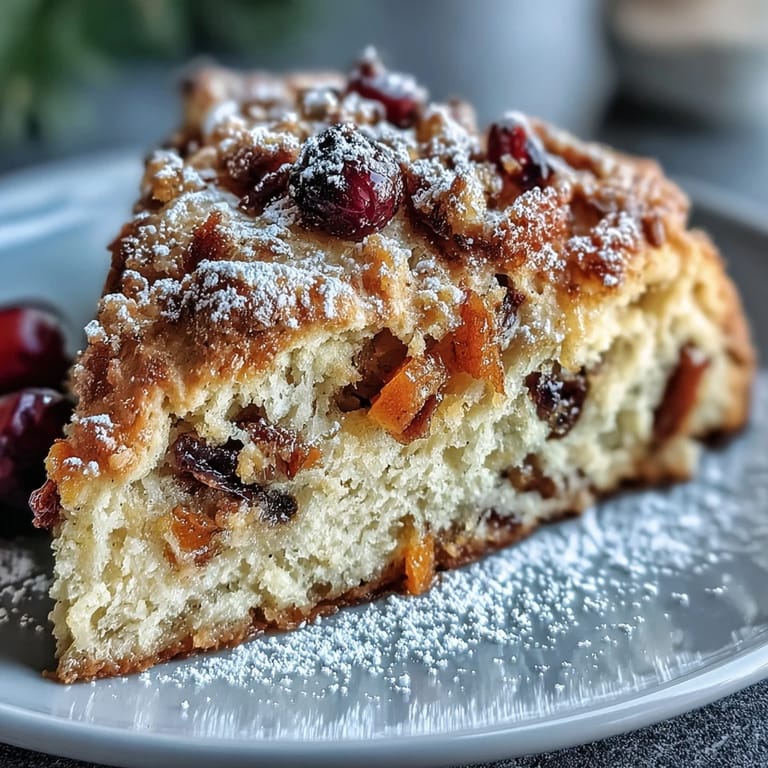
Save There's something about breaking open a warm scone and seeing those pockets of cranberry and candied orange that makes ordinary Tuesday feel like a small celebration. My roommate once said these reminded her of a bakery in Copenhagen, which is the highest compliment I've ever received in my own kitchen.
The Texture Question
I tested these about five different ways before I understood that the difference between crumbly and tender comes down to cream temperature and how you mix. The first time I used room-temperature cream, the scones came out dense and heavy, like I'd just made biscuits. Once I started keeping everything cold and mixing just until combined, they had this delicate, almost cloud-like crumb that flaked apart at the slightest touch.
Candied Orange Peel Matters
Not all candied orange peel tastes the same, and I learned this the hard way when I grabbed the cheapest option at the grocery store and ended up with scones that tasted vaguely medicinal. Since then, I've started looking for brands that actually show the peel on the package, and the difference is remarkable—good candied peel should taste bright and slightly chewy, not gummy or overly bitter. Chop it finely so every scone gets a piece rather than having one lucky one loaded with orange.
Variations and Make-Ahead Tips
The beauty of this recipe is how forgiving it is to adapt and plan ahead. I've made versions with dried cherries when cranberries seemed too tart, and I've added a touch of cardamom for something more autumnal. You can shape the dough and freeze the wedges uncooked for up to a month, then bake straight from frozen, adding just a few extra minutes to the bake time. Fresh from the oven is always best, but reheating them wrapped in foil brings back that just-baked softness.
- Try swapping cherries or golden raisins for the cranberries if you want something sweeter or less tart.
- For extra indulgence, dip the baked scone tops into melted white chocolate while still slightly warm.
- These freeze beautifully both baked and unbaked, so make a double batch and thank yourself later.
 Save
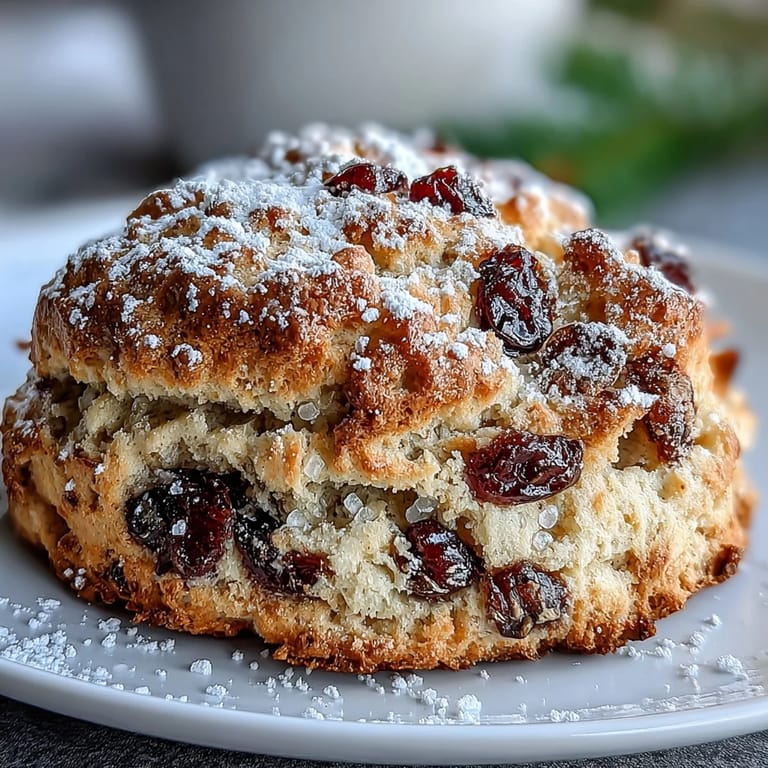
Save These scones have become my go-to when I want to feel like I've made something special without the stress, and they somehow make every breakfast table look like a fancy hotel. Once you make them once, you'll understand why people ask for the recipe.
Recipe FAQs
- → What can I substitute for dried cranberries?
Dried cherries or golden raisins make excellent alternatives, providing similar sweetness and texture.
- → How do I ensure the scones are tender?
Use cold butter and avoid overmixing the dough to keep it flaky and tender.
- → Can I prepare the scones ahead of time?
Yes, these scones freeze well. Reheat briefly in the oven before serving for best results.
- → What does the orange glaze add?
The glaze provides a sweet citrusy finish that enhances the scones’ flavor and adds a slight shine.
- → Are there any common allergens in this dish?
It contains wheat, dairy, and egg. The candied orange peel may contain traces of nuts, so check packaging carefully.