 Save
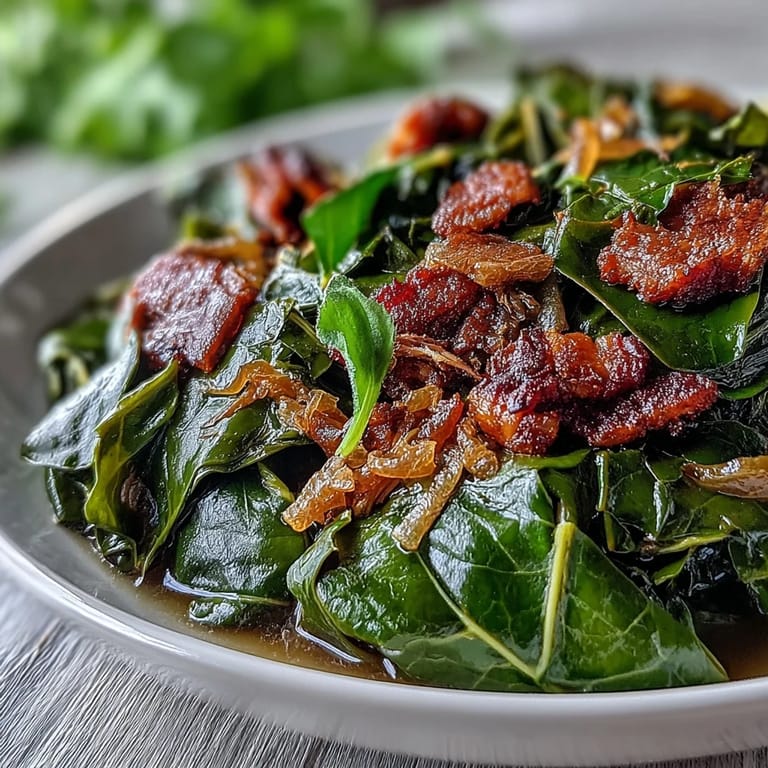
Save My grandmother's kitchen smelled like wood smoke and vinegar every Sunday, and it wasn't until I was older that I realized those collard greens simmering on her stove were teaching me something about patience and flavor building. She'd move between the pot and her radio with this quiet confidence, barely measuring anything, just knowing when the greens had softened enough and the broth had turned golden with turkey fat. The first time I made them myself, I rushed the simmering and ended up with greens that tasted like they were apologizing for being there. Now I understand it's the slow dance between the smoky turkey and tender leaves that makes this dish worth the time.
I made this for a friend's potluck once and watched her take a second helping without saying anything, just closing her eyes while she ate. That's when I knew it had crossed over from side dish to comfort in a bowl, the kind of food that reminds you why you cook in the first place. The leftovers sat in my fridge and somehow tasted even better the next morning, the flavors having had all night to get to know each other.
Ingredients
- Smoked turkey wings or drumsticks (1 lb): This is the backbone of the whole dish—look for ones that still have good meat on the bone because that's where the flavor lives, not in the expensive parts.
- Fresh collard greens (2 lbs, stems removed and chopped): Buy them as fresh as you can find them; the older ones taste a little like disappointed vegetables, so check that they're bright green and firm when you pick them up.
- Yellow onion (1 large, finely chopped): It softens into the broth and becomes almost sweet, but chop it fine so it doesn't compete with the greens for attention.
- Garlic (2 cloves, minced): Just enough to whisper in the background—too much and you overshadow the star of the show.
- Low-sodium chicken broth (6 cups): The foundation everything else sits on, so taste it first because brands vary wildly in saltiness.
- Water (2 cups): Sometimes stretching the broth with water keeps it from being overwhelming and lets the other flavors breathe.
- Salt and freshly ground black pepper: Season in layers rather than all at once, tasting as you go.
- Crushed red pepper flakes (1/2 tsp, optional): A tiny amount gives heat that surprises you in the best way on the second spoonful.
- Apple cider vinegar (1 tbsp): This cuts through the richness and wakes up all the other flavors like they've been sleeping.
- Sugar (1 tsp, optional): A small pinch balances the vinegar if your greens turn out a little too sharp.
- Olive oil (2 tbsp): Use enough to coat the pan without making it glisten like a skating rink.
Tired of Takeout? 🥡
Get 10 meals you can make faster than delivery arrives. Seriously.
One email. No spam. Unsubscribe anytime.
Instructions
- Get your foundation going:
- Heat the olive oil in your pot over medium heat until it shimmers a little, then add the chopped onion. Cook it for about 4 to 5 minutes, stirring now and then, until it softens and starts to smell sweet. Stir in the minced garlic and let it cook for just one more minute—you're looking for that moment when the kitchen smells like possibility.
- Build the broth base:
- Add the smoked turkey pieces to the pot, then pour in all that chicken broth and water. Bring everything to a gentle boil, then turn the heat down, cover the pot, and let it simmer for 20 to 25 minutes while the turkey releases all its smoky, savory personality into the liquid. You'll know it's ready when the broth has taken on a golden color and tastes like something worth waiting for.
- Add the greens in stages:
- Start adding the chopped collard greens a handful at a time, stirring between each addition so they have room to wilt down into the broth. This takes patience—don't try to dump them all in at once or you'll have a frustrating mess. Once they're all in and wilted, sprinkle in your salt, black pepper, and those red pepper flakes if you're using them.
- Let time do the work:
- Cover the pot and let everything simmer gently for 45 to 55 minutes, stirring occasionally and tasting as you go. The greens will transform from tough to tender, and the whole pot will smell like Sunday dinner at someone else's house in the best possible way.
- Finish with the turkey and seasonings:
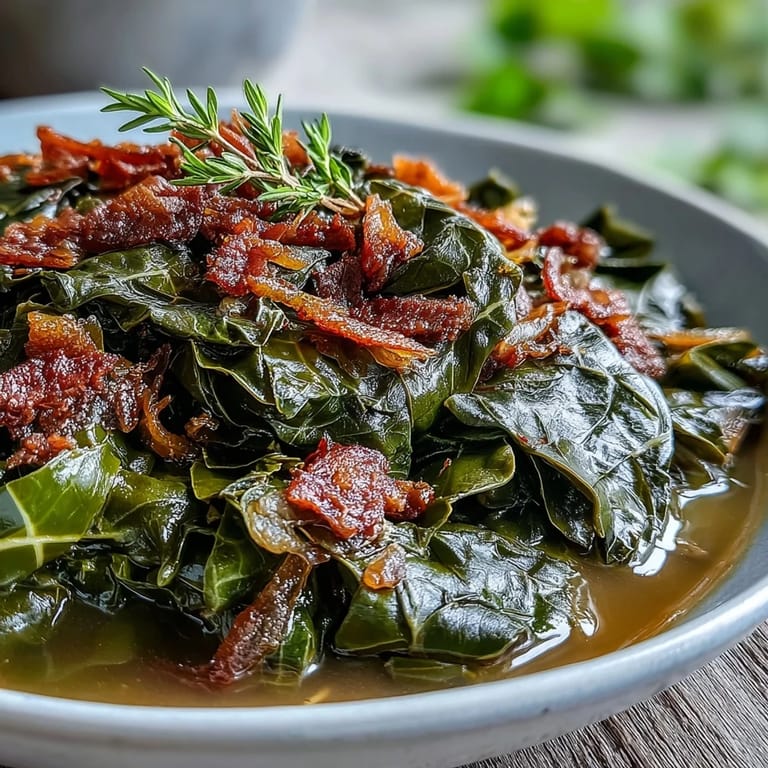
- Pull out the turkey pieces and shred all that meat off the bones, discarding the skin and bones. Stir the shredded turkey back into the greens, then add your apple cider vinegar and that optional teaspoon of sugar. Taste everything and adjust your seasoning because salt levels vary from pot to pot—this is your last chance to make it exactly what you want.
 Save
Save There was a moment when my mom took one bite and just nodded, the kind of nod that means you did something right without having to explain it. That's what this dish does—it speaks for itself in a language everyone understands.
The Real Reason Collard Greens Take So Long
Collards aren't like spinach that wilts in thirty seconds and calls it a day—they're sturdy, a little stubborn, with a structure that only softens when you give them heat and time and liquid all at once. The long simmer also lets the greens absorb all that smoky broth flavor, which is honestly the whole point of cooking them this way instead of just blanching them. Some people think it's overcooking, but really it's just understanding what this vegetable needs to become its best self.
Why Smoked Turkey Changes Everything
Using smoked turkey instead of ham or bacon is about letting different flavors lead the dance—it's smoky and savory without being heavy, and the meat actually adds protein instead of being a flavor accent that happens to have calories. The bones and skin create gelatin in the broth, which sounds technical but really just means the texture becomes silky instead of watery. I learned this when I tried making it once with smoked sausage and realized I was basically making a different dish entirely.
Making It Your Own
Once you understand the basic structure—meat, greens, broth, time—you can adjust this in ways that make sense for your pantry and your taste preferences. I've added a splash of smoked paprika when I had it on hand, or subbed half the chicken broth with vegetable broth for a lighter version, and both times it was still unmistakably collard greens cooked the right way. The vinegar and sugar at the end are really your safety nets—if it tastes a little dull, the vinegar wakes it up, and if the vinegar makes it sharp, the sugar smooths it back down.
- A pinch of smoked paprika adds depth without changing the character of the dish.
- Serve with hot sauce at the table so people can season to their own heat preference.
- Leftovers actually improve overnight as the flavors continue getting friendlier with each other.
 Save
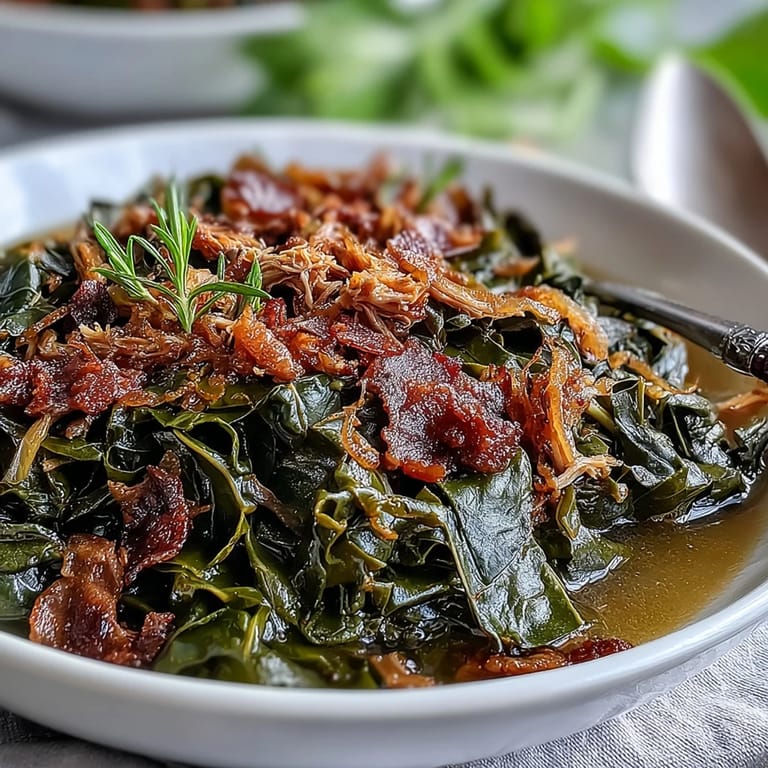
Save This dish is a reminder that good food doesn't need to be complicated or trendy—it just needs to be made with attention and time. Serve it hot alongside cornbread or rice and watch people understand why some meals stick with you long after dinner ends.
Recipe FAQs
- → How long should collard greens be simmered for best texture?
Simmering collard greens for 45–55 minutes softens them thoroughly while allowing flavors to meld. This slow cooking produces tender and flavorful greens.
- → Can smoked turkey be substituted in this dish?
Yes, smoked turkey wings or drumsticks impart a rich, smoky flavor essential to the dish, but smoked ham hocks or turkey necks can also be used if preferred.
- → What is the purpose of adding apple cider vinegar?
Apple cider vinegar brightens the deep, smoky flavors by adding a slight tang, balancing richness and enhancing overall taste.
- → Is it necessary to remove stems from collard greens?
Yes, removing thick stems helps ensure even cooking and a tender texture, as stems can be tough and fibrous.
- → How can I adjust seasoning for spiciness?
Adjust crushed red pepper flakes to taste or omit them for a milder flavor. Adding a pinch of smoked paprika can add subtle heat and depth.