 Save
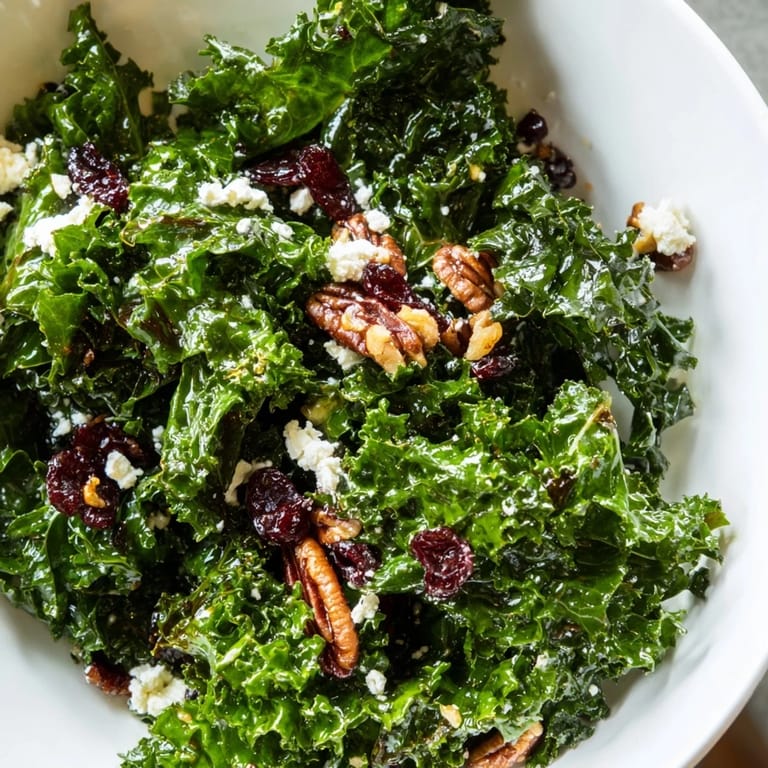
Save The smell of warm maple syrup hitting mustard in a saucepan is what finally made me understand why people call kale a superfood you actually want to eat. I'd been avoiding kale salads for years, convinced they all tasted like bitter lawn clippings, until a friend served me something similar at a potluck and I went back for thirds. The secret wasn't just the dressing, it was warming it first so the kale practically melted into every sweet, tangy bite. Now it's the salad I make when I need to feel like I'm taking care of myself without sacrificing flavor.
I remember making this for a November dinner when everyone was tired of heavy comfort food but still craved something warming. My sister, who claims to hate all things healthy, quietly finished her entire bowl and then asked if there was more. The combination of the massage technique and that glossy, just-warmed dressing made the kale taste almost indulgent, like we were eating something far fancier than a weeknight salad. It became the dish I bring when I want to prove vegetables can steal the show.
Ingredients
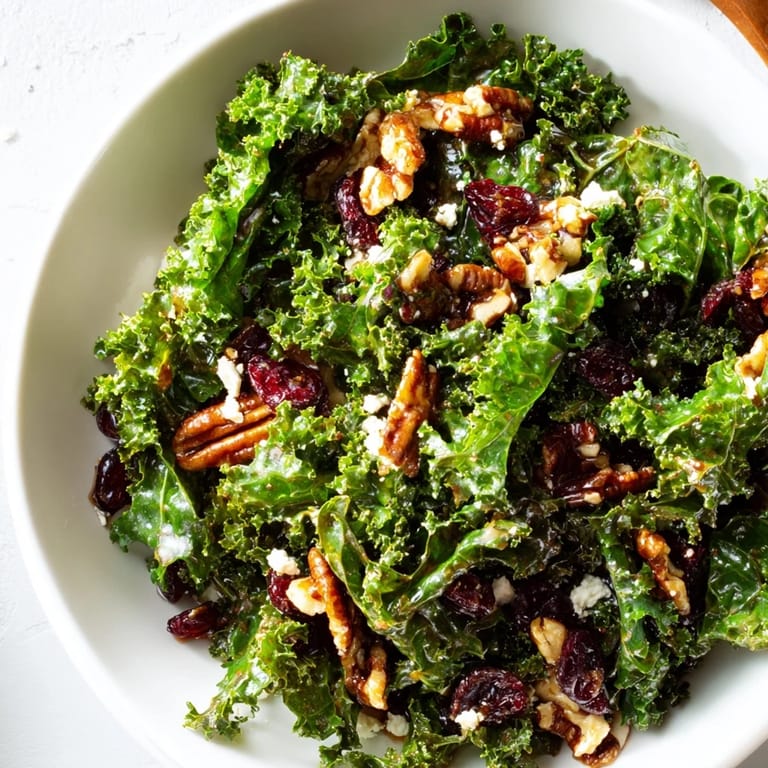
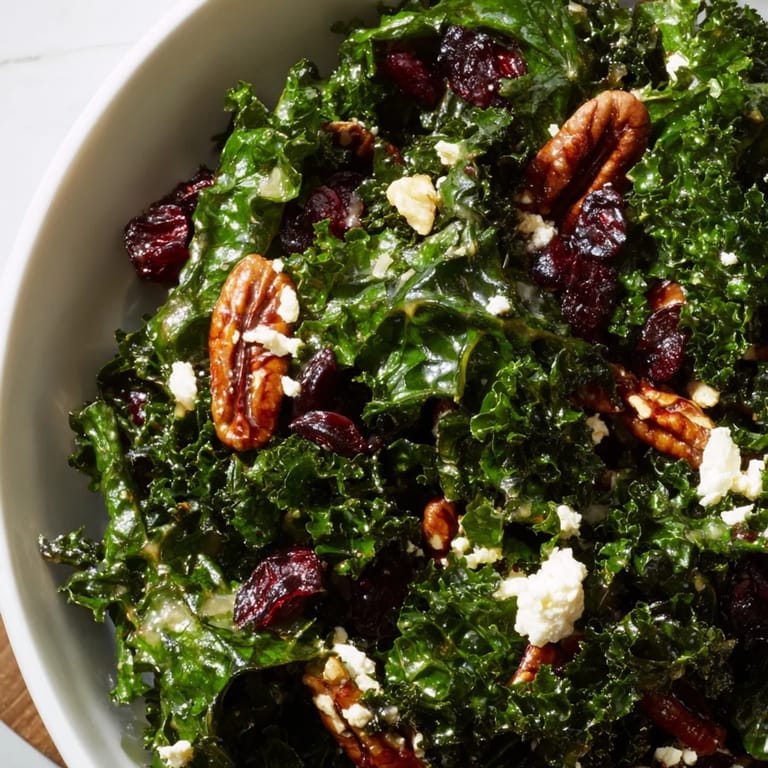
- Curly kale: The curly variety holds onto the dressing better than flat lacinato kale, and massaging it breaks down the tough fibers so it becomes tender and almost buttery.
- Olive oil for massaging: This is the trick that changes everything, it softens the leaves and takes away that raw, bitter edge in just a couple of minutes.
- Dried cranberries: They add little bursts of sweetness that balance the mustard's sharpness, and they plump up slightly when the warm dressing hits them.
- Toasted pecans or walnuts: Toasting them yourself makes a huge difference, they turn golden and fragrant and add the crunch this salad needs.
- Red onion: Sliced thin, it adds a sharp bite that cuts through the sweetness without overpowering the other flavors.
- Feta cheese: Optional but wonderful, it brings a creamy, salty contrast that makes the salad feel more complete.
- Pure maple syrup: Use the real stuff, not pancake syrup, because the deep caramel notes are essential to the dressing's warmth.
- Dijon mustard: This provides the tangy backbone and helps emulsify the dressing into a smooth, glossy coating.
- Apple cider vinegar: It brightens everything and keeps the sweetness from becoming cloying.
- Black pepper and salt: Simple seasonings that let the maple and mustard shine without getting in the way.
Tired of Takeout? 🥡
Get 10 meals you can make faster than delivery arrives. Seriously.
One email. No spam. Unsubscribe anytime.
Instructions
- Massage the kale:
- Place the torn kale leaves in a large bowl, drizzle with olive oil and sea salt, then use your hands to rub and squeeze the leaves for 2 to 3 minutes until they turn a darker green and feel soft. This step is oddly satisfying and completely transforms the texture.
- Make the warm dressing:
- In a small saucepan over low heat, whisk together the maple syrup, Dijon mustard, apple cider vinegar, pepper, and salt until just warmed and smooth, then slowly drizzle in the olive oil while whisking until it emulsifies into a glossy dressing. You want it warm, not hot, so it coats the kale without wilting it completely.
- Dress the kale:
- Pour the warm maple mustard dressing over the massaged kale and toss thoroughly with tongs or your hands until every leaf is coated. The warmth will help the dressing soak in beautifully.
- Add the toppings:
- Toss in the dried cranberries, toasted nuts, and thinly sliced red onion, mixing gently so everything is evenly distributed. Each bite should have a little bit of everything.
- Finish and serve:
- Transfer the salad to a serving platter or individual bowls and sprinkle with crumbled feta if using. Serve immediately while it's still slightly warm for the best flavor and texture.
 Save
Save There was an evening last winter when I served this alongside roasted chicken and my dad, who usually picks around salads, ate two helpings and asked for the recipe. He said it reminded him of something his grandmother used to make with vinegar and honey, and I realized that's what makes a dish stick, it tastes like care. This salad became more than just a side, it became the thing people remembered and asked about long after the meal was over.
Serving Suggestions
This salad works beautifully as a light main dish with some grilled chicken or roasted salmon on top, or as a vibrant side to heavier comfort foods like meatloaf or lasagna. I've also served it at holiday dinners alongside roasted turkey and stuffing, and it always disappears first because it feels festive but not fussy. Try adding roasted butternut squash cubes or thinly sliced apples for extra sweetness and texture. It's one of those rare salads that can hold its own at any meal.
Storage and Make Ahead Tips
The beauty of this salad is that it doesn't wilt like most greens, so you can actually make it a few hours ahead and it only gets better as the flavors meld. Store any leftovers in an airtight container in the fridge for up to two days, though the nuts may soften slightly. If you're prepping ahead, massage the kale and make the dressing separately, then toss everything together and warm the dressing just before serving. I've even packed this for lunch the next day and been surprised at how well it held up, still tender and flavorful without getting soggy.
Variations and Substitutions
For a vegan version, simply skip the feta or swap it for a plant-based cheese or nutritional yeast for a cheesy, nutty flavor. If you or someone you're serving has a nut allergy, toasted pumpkin seeds or sunflower seeds work beautifully and add the same satisfying crunch. You can also swap the kale for baby spinach if you prefer a milder green, though you'll want to skip the massaging step since spinach is already tender.
- Add roasted chickpeas for extra protein and a crispy, savory element.
- Swap dried cranberries for chopped dried apricots or golden raisins for a different kind of sweetness.
- Drizzle with a little balsamic glaze just before serving for an extra layer of tangy richness.
 Save
Save This salad has a way of turning skeptics into believers, one warm, sweet, tangy bite at a time. I hope it becomes a favorite in your kitchen the way it has in mine.
Recipe FAQs
- → Why do you massage the kale?
Massaging kale with olive oil and salt breaks down the fibrous cell walls, making the leaves tender and easier to digest while allowing them to absorb the warm dressing more effectively. This technique transforms the texture from tough and chewy to silky and pleasant.
- → Can I use a different type of kale?
Yes, lacinato or dinosaur kale works beautifully as well. Curly kale is traditional, but other varieties will yield slightly different textures. Avoid tender baby kale as it doesn't benefit as much from massaging and may become too soft when combined with warm dressing.
- → What temperature should the dressing be when added?
The dressing should be warm but not hot—around 140-150°F. This temperature gently warms the kale and helps the dressing coat evenly without cooking the vegetables or making them limp. If it cools completely, gently reheat before tossing.
- → How can I make this vegan?
Simply omit the feta cheese or substitute it with a plant-based alternative. The maple-mustard dressing is naturally vegan and the rest of the salad contains no animal products. Nutritional yeast can add a savory depth if desired.
- → Can I prepare this salad ahead of time?
Prepare the dressing and chop the ingredients separately, storing them in the refrigerator. Assemble the salad just before serving to prevent the kale from becoming overly soft and maintain the optimal warm temperature and texture contrast with the toppings.
- → What nuts work best if I have allergies?
Toasted pumpkin seeds, sunflower seeds, or roasted chickpeas provide excellent crunchy alternatives to tree nuts. They add similar textural contrast and nutritional benefits without triggering nut allergies. Toast them beforehand for maximum flavor.