 Save
Save There's something about standing in front of an overflowing farmers market in July, surrounded by pyramids of tomatoes and bell peppers in every color, that makes you want to throw caution to the wind and buy everything. That's exactly what happened the afternoon I created this salad, arms full of produce and zero regrets about the impulse. My kitchen smelled like fresh herbs and possibility, and within minutes I'd assembled something so bright and summery it felt like eating sunshine with a fork.
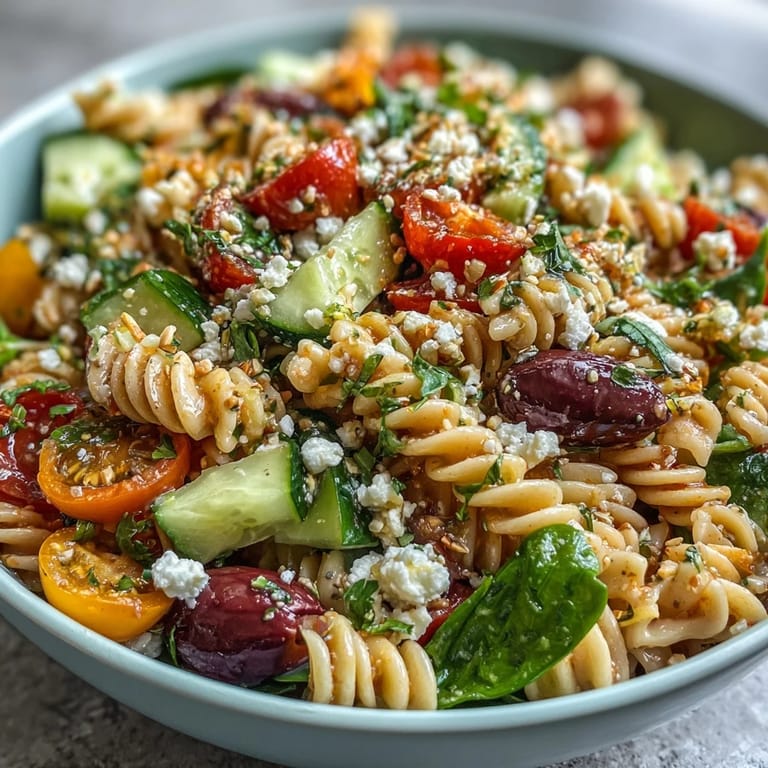
I made this for a beach day last summer, packing it in a glass container, and my friend took one bite, looked up at me with the kind of expression usually reserved for life-changing moments, and asked if I'd secretly become a professional chef. I hadn't, of course, but somehow combining cold pasta with crisp vegetables and that tangy dressing had created something that tasted far fancier than the twenty minutes I'd spent throwing it together.
Ingredients
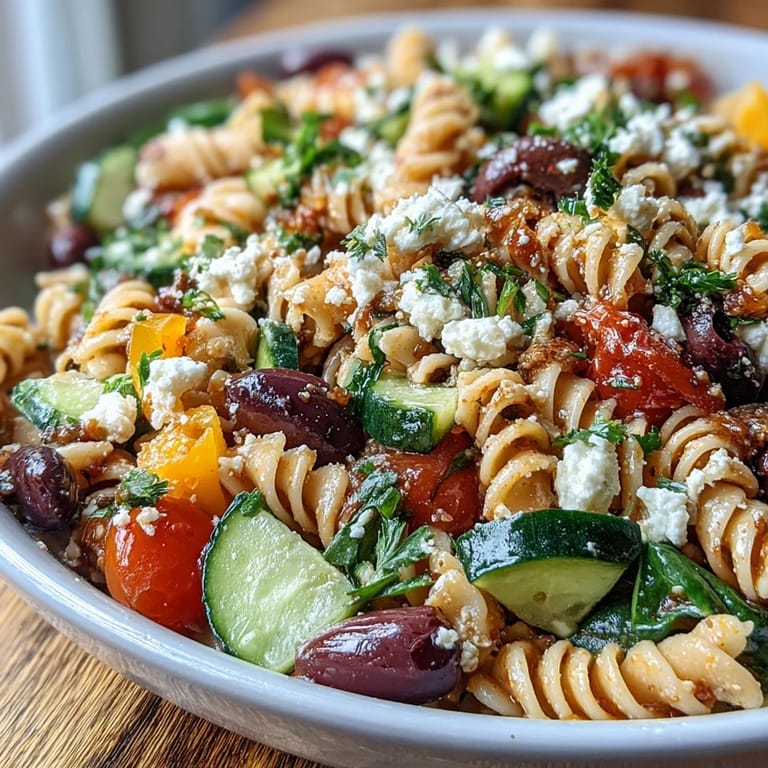
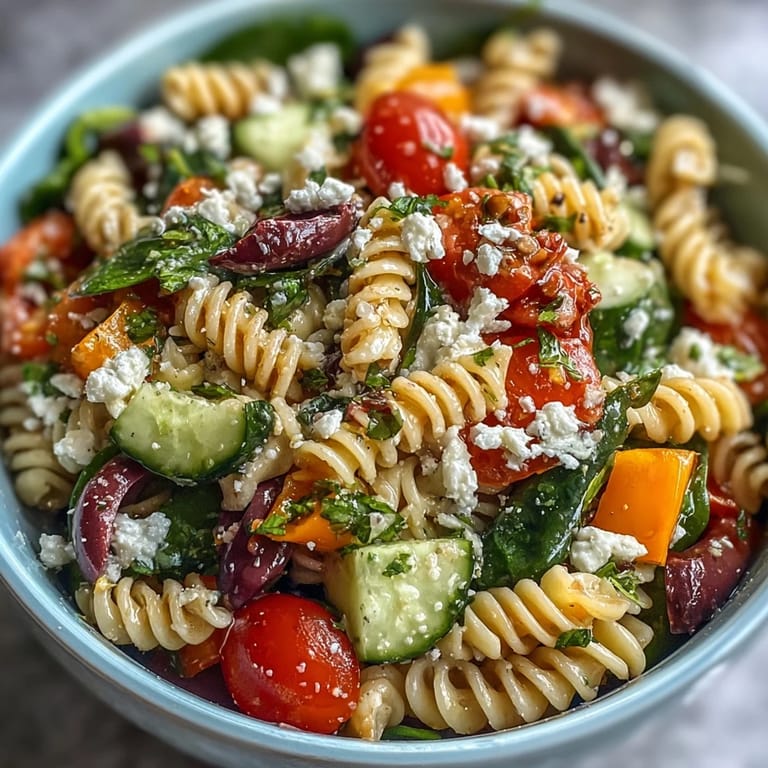
- Whole grain fusilli or penne (225 g): The heartier texture of whole grain holds the dressing better than regular pasta and keeps you satisfied longer.
- Cherry tomatoes (1 cup, halved): Halving them instead of quartering means they don't disappear into the salad, and their sweetness balances the tanginess beautifully.
- Cucumber (1 cup, diced): Dice it just before serving if you can, otherwise it releases water and makes everything soggy by lunchtime.
- Red and yellow bell peppers (1 of each, diced): The combination gives you sweetness from the yellow and a slight earthiness from the red, plus they look like confetti in the bowl.
- Red onion (½ small, thinly sliced): Use a mandoline if you have one, because thin slices are less aggressive than chunks and actually mellow out as it sits.
- Baby spinach (1 cup, roughly chopped): This is where the fiber sneaks in without anyone noticing, and it wilts slightly into the warm pasta in the best possible way.
- Fresh parsley (¼ cup, chopped): Don't skip this; it's the green that makes everything taste fresher and more alive.
- Kalamata olives (⅓ cup, pitted and sliced): Buy them already pitted if you're feeling lazy, and slice them rather than leaving them whole so the flavor distributes throughout.
- Light feta cheese (100 g, crumbled): Crumble it into irregular chunks rather than fine crumbles so you get little bursts of salty, creamy texture with each bite.
- Extra virgin olive oil (3 tbsp): This is not the place to cheap out on oil; good olive oil is the difference between dressed salad and salad that tastes alive.
- Fresh lemon juice (2 tbsp): Always use fresh, never the bottled kind, because that bright, clean flavor is what makes this whole thing shine.
- Red wine vinegar (1 tbsp): It adds depth without being aggressive, and it prevents the whole thing from tasting too heavy.
- Garlic clove (1, finely minced): Mince it as fine as you can manage, almost into a paste, so it distributes evenly throughout the dressing.
- Dried oregano (1 tsp): If you have fresh oregano, use triple the amount and add it at the very end so it keeps its color.
- Sea salt and black pepper (½ tsp and ¼ tsp): Start with these amounts and taste as you go, because some feta is saltier than others.
Tired of Takeout? 🥡
Get 10 meals you can make faster than delivery arrives. Seriously.
One email. No spam. Unsubscribe anytime.
Instructions
- Boil that pasta until it's just barely done:
- Whole grain pasta takes a few minutes longer than regular, so check the package instructions and stop it one minute before it says, because it'll keep cooking as it cools. Drain it and immediately run it under cold water while tossing with your hands, which cools it faster and stops that mushy texture from setting in.
- Assemble your vegetable situation:
- Throw everything into your largest salad bowl and just take a moment to appreciate how colorful it is before you do anything else. If you're prepping this ahead of time, keep the cucumber separate until the last minute or it'll turn into mush.
- Combine the pasta, olives, and feta:
- At this point you're building your salad, layering all these different textures so nothing settles to the bottom. The feta should be the last thing you add so the crumbles don't get crushed into oblivion by mixing.
- Make a dressing that actually tastes like something:
- In a small bowl, whisk the olive oil and lemon juice together first, then add the vinegar and minced garlic, then the oregano and seasonings. You should hear the whisking sounds change as it emulsifies, and it should smell incredible.
- Dress the salad like you mean it:
- Drizzle the dressing over everything and use salad tongs or two forks to toss it gently but thoroughly, making sure every element gets coated. This is not a delicate operation, but it's also not a wrestling match.
- Let it chill and get to know itself:
- Pop it in the fridge for at least ten minutes, longer if you can manage, because cold pasta salad is better than room temperature pasta salad, full stop. The flavors meld together and the whole thing tastes more refined and intentional.
 Save
Save There was a moment during that beach day when everyone had quieted down after eating, the kind of satisfied silence that only happens when food is genuinely good, and I realized that the best part of cooking isn't the fancy techniques or the expensive ingredients. It's feeding people something that makes them happy enough to just sit and enjoy the moment without talking.
Why This Works as a Complete Meal
Whole grain pasta gives you the fiber that keeps you satisfied, the vegetables provide vitamins and minerals and crunch, the feta adds calcium and protein, and the olive oil helps your body absorb all the good fat-soluble nutrients. It's a salad that actually feels like a complete lunch rather than a sad side dish, which is why I've made it maybe fifty times now and never gotten tired of it.
How to Make It Your Own
This salad is remarkably flexible, which is part of why it became my go-to template for using up whatever vegetables I have on hand. The only thing I'd keep consistent is the dressing ratio and the pasta amount, because those are what make it taste like itself rather than just a random vegetable mixture.
Storage and Make-Ahead Magic
This salad gets better as it sits, which makes it perfect for meal prep, though I store the dressing separately because wet pasta turns into glop faster than you'd think possible. It'll keep in the fridge for about three days, and honestly it tastes just as good on day three as day one, maybe better.
- Make the pasta and vegetables the day before if you want, but add the dressing only when you're ready to serve or eat within an hour or two.
- If you're transporting it, pack everything in layers so the dressing doesn't make the spinach wilt before anyone gets a chance to enjoy it.
- Taste it right before serving and adjust the lemon juice and salt, because flavors shift as it sits and sometimes it needs a little brightness boost.
 Save
Save This salad has become my answer to the question of what to bring to literally any summer gathering, because it's colorful and healthy and looks like you actually tried, which is the whole point sometimes. Make it once and you'll understand why it keeps making an appearance at my table.
Recipe FAQs
- → What type of pasta works best for this dish?
Whole grain fusilli or penne are ideal for holding the dressing and ingredients while adding fiber and texture.
- → Can I prepare this in advance?
Yes, chilling the salad for 10–15 minutes enhances the flavors and makes it perfect for preparing ahead of time.
- → What dressing ingredients complement the flavors?
A blend of extra virgin olive oil, fresh lemon juice, red wine vinegar, garlic, oregano, salt, and pepper creates a bright, balanced dressing.
- → How can I modify this for a vegan diet?
Substitute the light feta cheese with a dairy-free cheese alternative or omit it entirely without compromising flavor.
- → What additions pair well with this dish?
Grilled chicken or chickpeas add protein, while radishes or snap peas contribute extra crunch and freshness.