 Save
Save There's something oddly comforting about the moment when instant ramen stops feeling like a college survival tactic and becomes actual food you want to eat. I discovered this shift one rainy Tuesday when I grabbed a pack out of habit, then paused—why not throw in what I actually had in the freezer? A handful of peas, some garlic, a splash of sesame oil. Twenty minutes later, I was eating something that tasted intentional, like I'd planned it. That's when ramen stopped being a quick fix and became a canvas.
I made this for a friend who was going through a rough spell, the kind where even cooking feels impossible. She sat at my kitchen counter while I quietly assembled a bowl—the steam rising, the small clink of the egg sliding in, the whisper of sesame seeds hitting the surface. She ate it slowly, and halfway through said it was the first thing that tasted like someone cared. That's when I knew this simple upgrade mattered.
Ingredients
- 2 packs instant ramen noodles: Don't apologize for using them—they're the foundation here, and the texture matters more than the prestige.
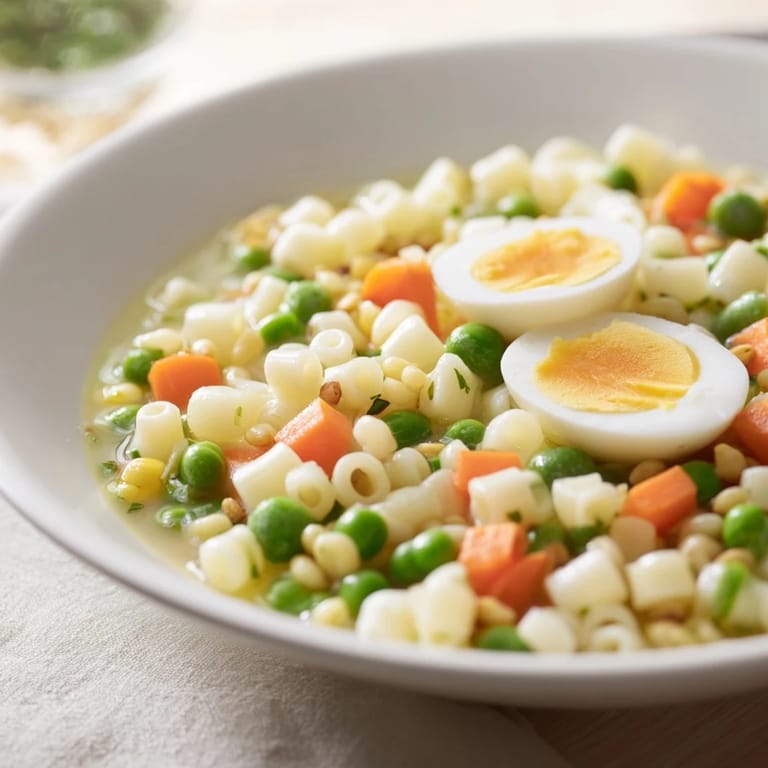
- 1 cup frozen peas: These are your secret weapon for sweetness and color; they don't need thawing and cook directly in the broth.
- 1 cup frozen mixed vegetables: Optional, but they add texture variety and make the bowl feel more complete.
- 2 green onions, sliced: Split these—half goes into the broth, half onto the finished bowl for a bright, fresh finish.
- 2 cloves garlic, minced: The moment the oil hits it, your kitchen will smell alive; don't skip this step even if you're rushing.
- 4 cups low-sodium vegetable broth: This is where the real flavor lives, so use broth you'd actually drink on its own.
- 2 tablespoons soy sauce: Taste as you go—you can always add more, but you can't take it back.
- 1 teaspoon sesame oil: This tiny amount changes everything; it's the difference between adequate and memorable.
- 2 large eggs (soft-boiled or poached): Optional, but they turn this into something you'd order at a restaurant.
- 1 tablespoon toasted sesame seeds: Buy them already toasted; the effort saved is worth it.
- Chili flakes or sriracha to taste: Heat should be yours to control.
Tired of Takeout? 🥡
Get 10 meals you can make faster than delivery arrives. Seriously.
One email. No spam. Unsubscribe anytime.
Instructions
- Wake up the broth with garlic:
- Pour sesame oil into your saucepan over medium heat and add minced garlic—you want to hear it sizzle gently, about 30 seconds, until your kitchen fills with that unmistakable smell. Don't let it brown or it turns bitter.
- Build your flavor base:
- Pour in the broth and soy sauce, then watch it come to a gentle boil—not a rolling one, just the moment you see bubbles breaking the surface steadily. This is where patience pays off.
- Add color and nutrition:
- Slide in the frozen peas and mixed vegetables without waiting for them to thaw; they'll warm through in 2 to 3 minutes as the broth simmers gently. You'll see the peas brighten as they cook.
- Cook the noodles:
- Drop in the ramen (use the seasoning packet or skip it—you're in control here) and stir so they don't clump together. Follow the package time, usually 2 to 3 minutes, tasting a strand to make sure it's just tender, not mushy.
- Season and balance:
- Stir in half the sliced green onions and take a taste—this is your moment to adjust with more soy sauce if it needs it. Trust your palate.
- Serve with intention:
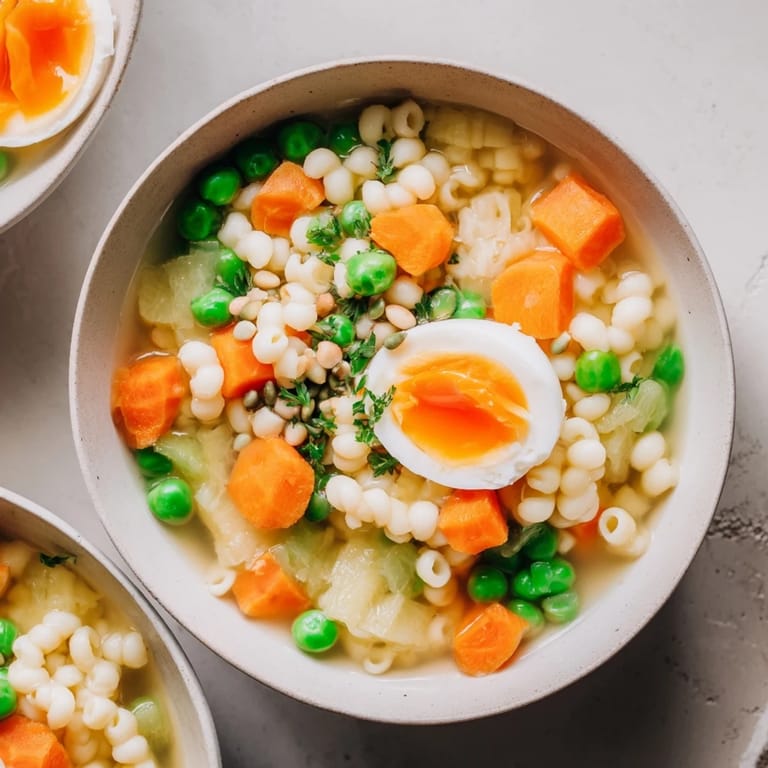
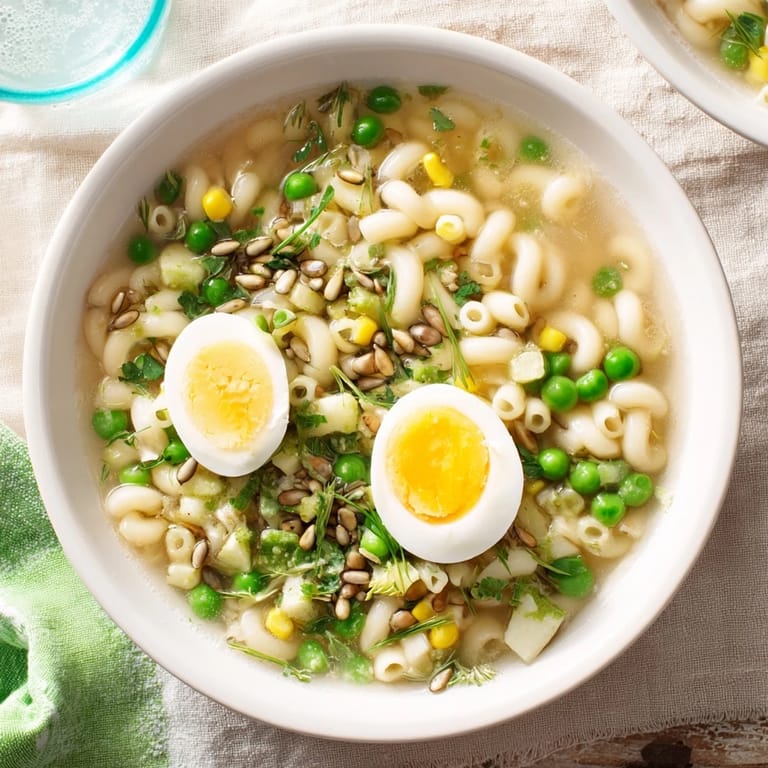
- Divide the noodles and broth between two bowls, then top each with a soft-boiled egg if you have one, the remaining green onions, a scatter of sesame seeds, and a pinch of heat. Let people add their own chili flakes at the table.
 Save
Save There's a quiet pleasure in watching someone's face as they discover that this humble bowl—made in under 15 minutes with mostly pantry staples—tastes like care. That's the real magic here, not the ingredients themselves.
The Texture Game
The best version of this dish lives in the contrast—the tender noodles against the slightly firm peas, the creaminess of the egg yolk breaking into the broth, the little crunch of sesame seeds and the heat of chili. If everything is the same texture, you lose the story. Cook the noodles just to tender, not soft; let the peas keep a whisper of their shape; and serve everything at once so the toppings stay separate until you eat them.
Making It Your Own
This recipe is a template, not a rule. Some days I use edamame instead of peas, or swap the broth for a blend of miso and water. I've added a splash of rice vinegar when I wanted brightness, or a dollop of peanut butter when I wanted richness. The constant is this: start with a strong broth, add vegetables that make you happy, and finish with something that brings it all together—whether that's an egg, herbs, heat, or all three.
Quick Variations and Timing
Once you've made this a few times, you'll feel the rhythm and can adapt it without thinking. The structure stays the same—garlic, broth, vegetables, noodles—but the details can shift based on what you have and how you're feeling. I've made versions with leftover rotisserie chicken, with tofu for a vegan night, with spinach for green, and with nothing but noodles and broth on nights when that's all I could manage.
- For vegan, skip the egg and top with extra sesame seeds or crispy tofu if you have it.
- For extra protein and heartiness, add shredded chicken, soft tofu cubes, or a handful of cooked shrimp.
- Keep bags of frozen peas, mixed vegetables, and good broth stocked so you can make this anytime hunger strikes without a trip to the store.
 Save
Save This isn't the kind of recipe that's trying to win awards or impress anyone but you. It's the kind that says, you deserve something warm and good, and you can make it yourself in the time it takes to change clothes.
Recipe FAQs
- → Can I use fresh peas instead of frozen?
Yes, fresh peas can be used. Add them a bit earlier when simmering to ensure they're tender.
- → How can I make this dish vegan?
Simply omit the eggs and use vegan-friendly noodles. Tofu can be added for extra protein.
- → Is it possible to adjust the spice level?
Absolutely, add chili flakes or sriracha to taste for your preferred heat level.
- → Can I substitute the soy sauce for gluten-free options?
Yes, tamari is a great gluten-free alternative to soy sauce, keeping the savory flavor intact.
- → What other vegetables work well in this dish?
Carrots, corn, green beans, spinach, or edamame make excellent additions or substitutes for variety.