 Save
Save My neighbor brought over a jar of homemade passionfruit pulp one summer afternoon, insisting I had to do something special with it. I stood in my kitchen holding that golden jar, watching the seeds catch the light, and thought about all the delicate desserts I'd tucked away in my mental recipe file. These cookies came together almost by accident—buttery, tender rounds that could cradle something bright and tangy. The first bite made me understand why she'd been so adamant about sharing her harvest.
I made these for my mother's book club, and watching the room go quiet when everyone bit into one was worth every minute of the two-hour process. One woman asked for the recipe with her mouth still full, then caught herself and laughed—the passionfruit just does that to people. That evening taught me that sometimes the best recipes are the ones that make people pause and actually taste what's in front of them.
Ingredients
- Unsalted butter (225 g): This is where the cookie's soul lives—soft, golden, and generously measured so every bite melts on your tongue rather than crumbling.
- Granulated sugar (150 g for cookies): Keep it refined and measured; too much and your cookies spread thin and crisp, too little and they lose their delicate structure.
- Large egg: Room temperature makes a difference, binding everything into a dough that feels almost silky under your fingertips.
- Pure vanilla extract (1 tsp): Don't skip the 'pure'—imitation tastes flat against the brightness of the passionfruit, and you'll notice.
- All-purpose flour (280 g): Weigh it if you can; cups can lie, and too much flour turns these cookies dense instead of delicate.
- Baking powder (1/2 tsp) and salt (1/4 tsp): These aren't optional—they lift the cookies slightly and balance the sweetness with a whisper of salt.
- Passionfruit pulp (120 ml): Fresh or frozen works beautifully; strain out the seeds if you prefer smoothness, or leave them for subtle texture and extra tartness.
- Granulated sugar for curd (100 g): This goes into the curd, thickening it into glossy, spoonable luxury that clings to your spoon.
- Two large eggs: These cook gently into the curd base, so freshness matters and temperature control prevents scrambling.
- Unsalted butter for curd (60 g, cubed): Cold cubes melt into the hot curd, creating that silky, luxurious texture that makes people close their eyes.
- Lemon juice (1 tsp) and pinch of salt: These sharpen and balance the curd, keeping it from tasting one-note sweet.
Tired of Takeout? 🥡
Get 10 meals you can make faster than delivery arrives. Seriously.
One email. No spam. Unsubscribe anytime.
Instructions
- Make the Curd Base:
- Whisk your passionfruit pulp, sugar, eggs, lemon juice, and salt together in a saucepan, then set it over medium-low heat—don't rush this. You're essentially making a custard, so stir constantly and watch for the moment it thickens enough to coat the back of a spoon like silk, which takes about six to eight minutes and feels longer than it actually is.
- Finish the Curd:
- The moment it coats your spoon, pull it off heat and whisk in your cold butter cubes until they disappear into smoothness. Strain it through a fine mesh to catch any bits of cooked egg, press plastic wrap directly onto the surface to prevent a skin, and let it chill—at least an hour, though overnight is when it really sets perfectly.
- Cream the Cookie Dough:
- Your softened butter and sugar go into a bowl with an electric mixer, and you beat them until they're pale, fluffy, and almost cloud-like—this takes about three minutes and honestly feels good to watch. Beat in your egg and vanilla, then sift your flour mixture over the top and fold it all together gently until the dough just comes together without any streaks of flour.
- Chill the Dough:
- Divide your dough in half, flatten each into a disk, wrap them up, and slide them into the refrigerator for at least thirty minutes—this prevents spreading and makes rolling easier. If you're working ahead, they can sleep in there overnight and actually taste better for it.
- Roll and Cut:
- Heat your oven to 175°C and line your baking sheets with parchment, then roll one disk at a time to about five millimeters thick on a lightly floured surface. Cut out rounds about five centimeters across—you want them delicate but sturdy enough to hold the curd without breaking.
- Bake with Care:
- Bake for ten to twelve minutes until just the edges turn golden; the centers should still look almost underbaked because they'll continue cooking on the hot sheet. Let them cool completely on wire racks before you even think about filling them, or they'll crack and crumble when you try to sandwich them together.
- Assemble Your Masterpiece:
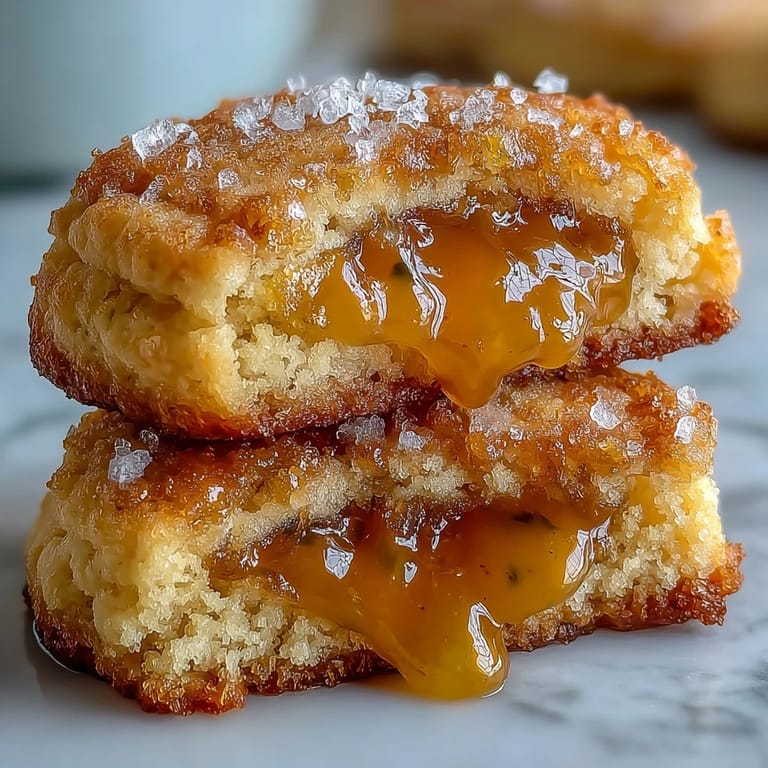
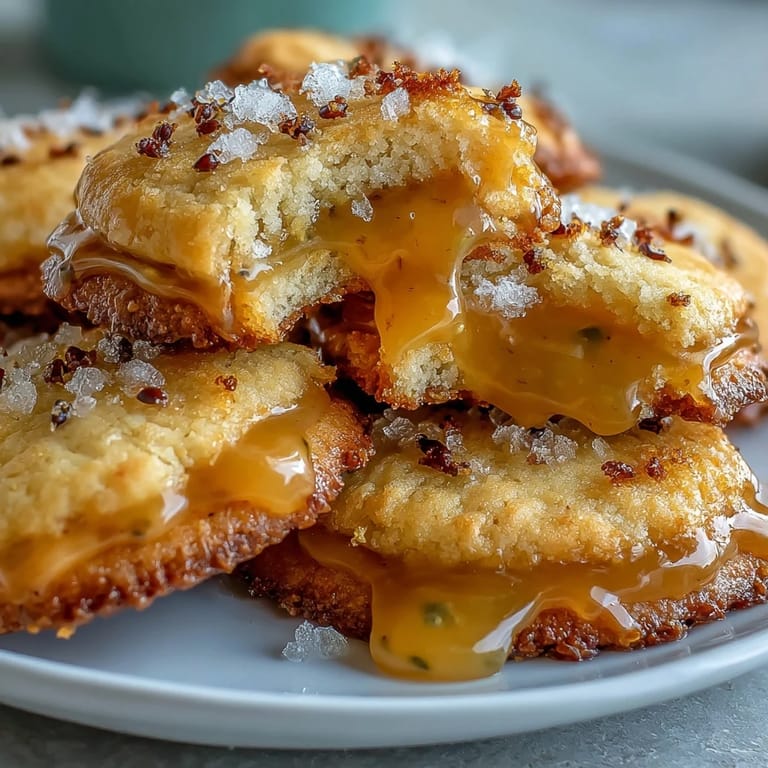
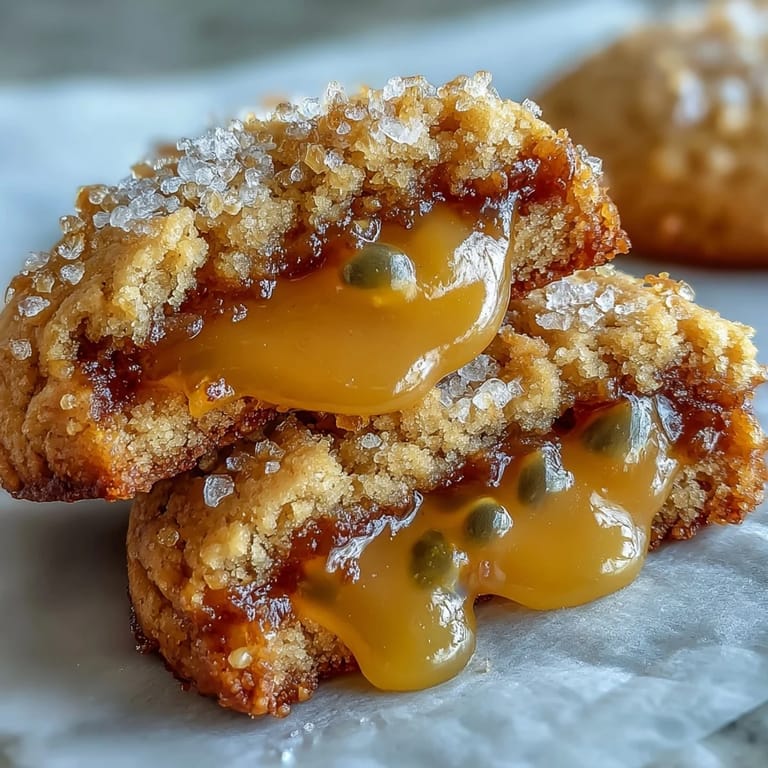
- Pair up cookies of similar size, then pipe or spoon about one teaspoon of your chilled passionfruit curd onto the flat side of one cookie. Press the second cookie gently on top, give them thirty minutes to rest so everything settles together, then store them in an airtight container in the refrigerator until you're ready to serve.
 Save
Save A friend once asked me why I bothered making cookies that delicate when she could buy something similar at a bakery. I asked her to bite into one, and she understood immediately—there's an honesty to homemade that you can taste. These cookies aren't about impressing anyone; they're about taking two hours to say 'you matter enough for this.'
Flavor Notes and Variations
The passionfruit is tart and bright, standing up beautifully against the buttery sweetness of the cookie, but don't be afraid to experiment. Lemon curd, lime curd, even raspberry curd work wonderfully in the exact same dough—I've made each version, and they all have their moment. The cookies themselves are quite neutral, almost a canvas, so if you want to add a hint of almond extract or a whisper of orange zest to the dough, they'll welcome it.
Timing and Make-Ahead Strategy
The beauty of this recipe is its flexibility—make the curd two days ahead and let it develop even more flavor in the refrigerator. Bake your cookies up to three days before assembly, storing them in an airtight container at room temperature where they'll stay fresh and crisp. Assemble them the morning of serving, and they'll stay perfect in the refrigerator until you're ready to eat, which means you're never actually cooking on the day you want to impress someone.
Serving and Storage Wisdom
Serve these with Earl Grey tea or sparkling white wine, on a proper plate or a napkin, whenever you want to mark an ordinary moment as something worth remembering. They're equally at home at a formal tea as they are during an afternoon pause in the kitchen, watching the light change through the window. Store any leftovers in an airtight container in the refrigerator for up to four days, though they rarely last that long once people know they're there.
- A light dust of powdered sugar just before serving adds visual elegance and a small tart-sweet contrast.
- If your curd seems too thick after chilling, a quick whisk or even five seconds in the microwave will soften it just enough to spoon.
- The cookies are forgiving, but do let your ingredients reach room temperature before you start—it truly does make the dough easier to work with.
 Save
Save There's something quietly powerful about handing someone a cookie that took you time and intention, watching them bite into sunshine and butter. These cookies are worth every minute, every careful stir, every moment of patience.
Recipe FAQs
- → Can I use store-bought passionfruit curd?
Yes, you can substitute with high-quality store-bought passionfruit curd to save time. Look for brands with real fruit pulp and natural ingredients for the best flavor.
- → How should I store these filled cookies?
Store assembled sandwich cookies in an airtight container in the refrigerator. They will keep for 3-4 days. Bring to room temperature for about 15 minutes before serving for the best texture.
- → Can I freeze the cookie dough or curd?
Both components freeze well. Wrap cookie dough disks tightly and freeze for up to 3 months. Thaw overnight in the refrigerator before rolling and baking. The curd can be frozen for up to 2 months; thaw in the refrigerator and whisk before using.
- → What can I substitute for passionfruit?
Lemon, lime, or orange curd work beautifully as alternatives. Each citrus variation brings its own bright character. You can also try mango or pineapple curd for different tropical twists.
- → Why do I need to strain the passionfruit pulp?
Straining removes the seeds, creating a smooth, silky curd texture. If you prefer some crunch and don't mind the seeds, you can skip this step. However, straining ensures the filling spreads easily between cookies.
- → How do I know when the curd is thick enough?
The curd is ready when it coats the back of a spoon and leaves a clear trail when you run your finger through it. This usually takes 6-8 minutes of constant stirring over medium-low heat.