 Save
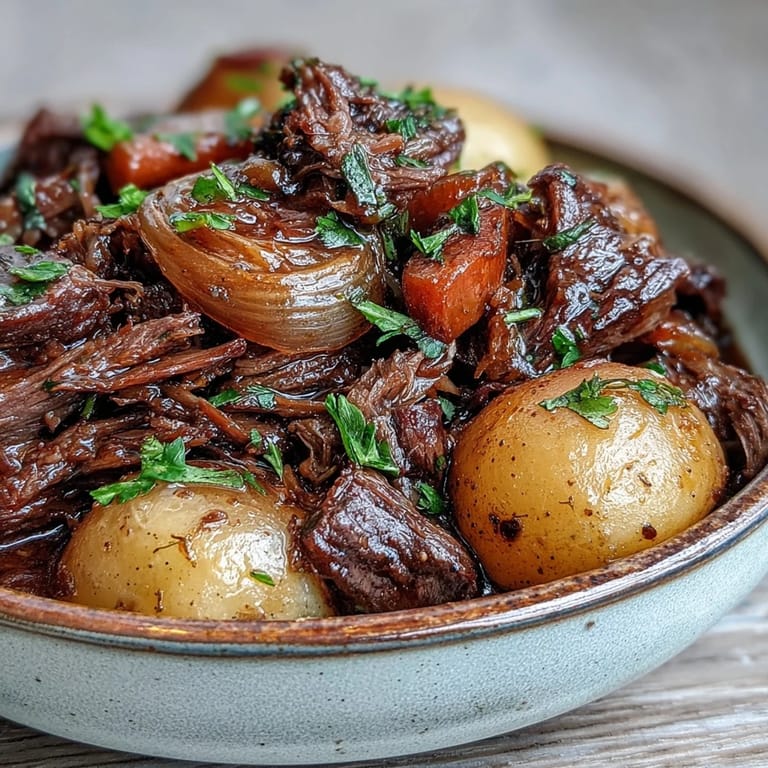
Save Last winter my Japanese neighbor invited me over for what she called 'mother's taste' food. The moment she lifted the lid off that simmering pot, the whole apartment filled with this incredible sweet-savory aroma that made my stomach growl audibly. She laughed and said it was just nikujaga, the most ordinary thing in Japan, but honestly? That first bite of meltingly tender beef and potatoes in that glossy sauce felt like discovering a secret language of comfort. I've been making it ever since, tweaking little things here and there, but that first impression stays with me every time.
My friend Yuki came over last month when I was testing this version. She took one bite and got really quiet, then said it tasted exactly like what her grandmother made every Sunday. We ended up sitting at the counter for an hour just eating it straight from the pot while it was still bubbling away, talking about how food has this way of holding memories you didnt even know you had. Now she requests it every time she visits.
Ingredients
- Thinly sliced beef: The cut matters less than the thickness. Paper thin slices from the butcher counter work beautifully and absorb all that sauce
- Waxy potatoes: Please dont use Russets here. You want potatoes that hold their shape and get creamy inside without falling apart
- Onions: They melt into the sauce and create this incredible sweetness thats the backbone of the whole dish
- Carrot rounds: Add sweetness and color. Cut them thick so they dont turn to mush
- Shirataki noodles: Totally optional but they soak up flavor and add this great chewy texture. Rinse them really well first
- Snow peas or green beans: These are just for freshness at the end. Dont cook them too long or you lose that bright crunch
- Dashi stock: The umami foundation. Instant powder works fine, but homemade dashi makes it extraordinary
- Soy sauce: Use a good quality one. You really taste the difference here
- Mirin: Essential for that authentic Japanese sweetness and gloss
- Sake: Adds depth and helps tenderize the meat
- Sugar: White sugar dissolves best and gives the sauce that beautiful shine
- Neutral oil: Just enough to sauté the aromatics. Nothing fancy needed
Tired of Takeout? 🥡
Get 10 meals you can make faster than delivery arrives. Seriously.
One email. No spam. Unsubscribe anytime.
Instructions
- Start with the aromatics:
- Heat that oil in your biggest pot. When it shimmers, toss in the sliced onions and let them soften. Youre not looking for color, just that sweet, translucent state that comes after a few minutes of gentle cooking.
- Add the beef:
- Push the onions aside and add the beef. Let it sear just a bit, stirring often so it doesnt clump together. The beef should lose its raw pink color and pick up some flavor from the pan.
- Build the base:
- Toss in the potato chunks and carrot rounds. Stir everything together so the vegetables get coated in any rendered fat and start making friends with each other.
- Create the braising liquid:
- Pour in the dashi, then add the soy sauce, mirin, sake, and sugar. Give it a good stir. The liquid should almost cover everything.
- Bring to a gentle boil:
- Let it come up to heat, then watch for the foam. Skim it off patiently. This little step makes the final sauce so much clearer and cleaner tasting.
- Simmer low and slow:
- Turn down the heat, put the lid on slightly askew, and let it bubble gently for about 20 minutes. Test a potato. It should be completely tender.
- Add optional noodles:
- If youre using shirataki, toss them in now. They need about 10 minutes to absorb all that gorgeous flavor.
- Get that glossy finish:
- Remove the lid for the last 5 minutes. Let the sauce reduce until its thick and coats the back of a spoon. The house will smell incredible.
- Fresh green finish:
- Throw in those snow peas or beans right at the end. Just 2 or 3 minutes so they stay bright and crunchy.
- Serve it up:
- Ladle everything into bowls, making sure each serving gets plenty of that sauce. Steamed rice is non-negotiable here.
 Save
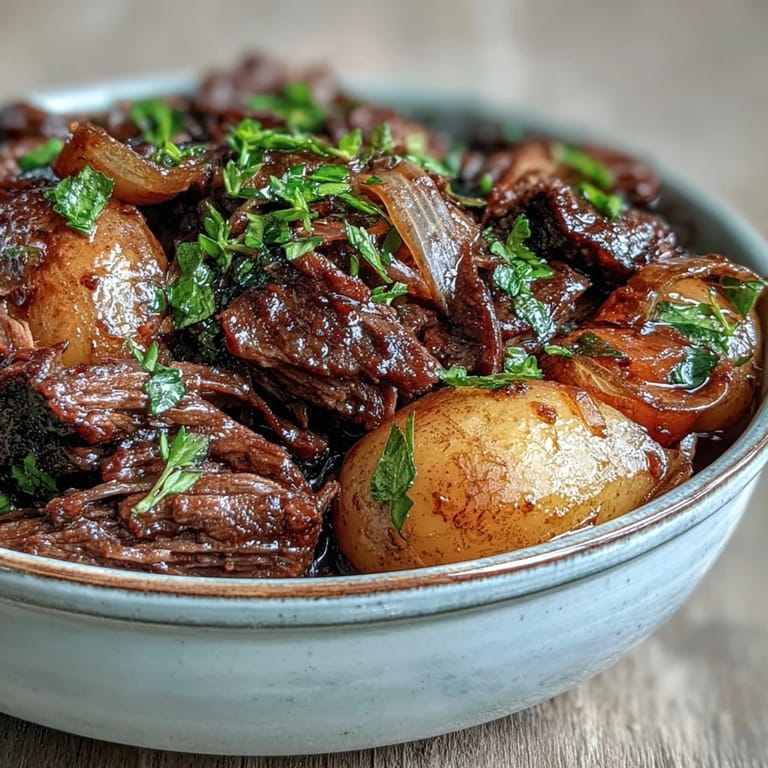
Save Last week my partner came home from a terrible day at work, shoulders up to their ears. I made nikujaga and we sat at the table in near-silence, just eating and letting the food do its work. By the time we finished, the tension had completely melted away. That's when I really understood why Japanese home cooks call this the food of comfort.
The Potato Secret
I used to grab whatever potatoes were on sale until I learned the hard way that russets turn into glue in this dish. Waxy potatoes like Yukon Gold or fingerlings hold their shape beautifully while getting creamy inside. The texture difference is remarkable.
Making It Your Own
Sometimes I add a knob of ginger if I want a bit of warmth. In summer I might throw in some sliced okra. The template is flexible. What matters is that balance of sweet and savory and that gentle simmering time.
Perfecting The Glossy Finish
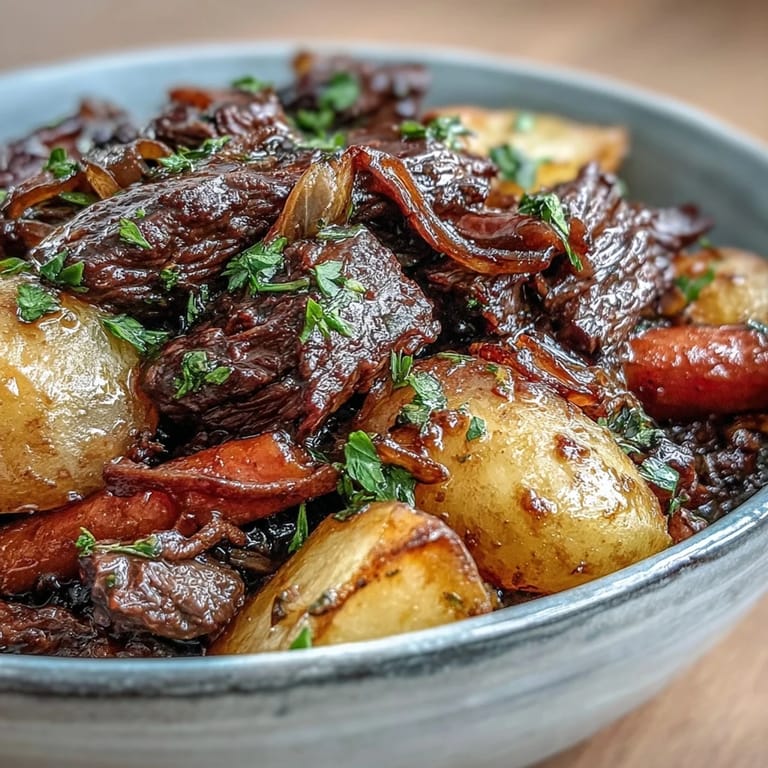
That restaurant-quality shine comes from the last few minutes of cooking with the lid off. The sugar and mirin reduce slightly, creating that incredible glaze. Keep an eye on it though. The sauce can go from perfect to too thick quickly.
- Start checking the consistency about 7 minutes before you think its done
- The sauce should coat a spoon but still drip off slowly
- Remember it thickens more as it cools slightly
 Save
Save There's something deeply satisfying about a dish that transforms simple ingredients into something so comforting. This nikujaga has become one of those recipes I turn to again and again, and I hope it finds a regular place in your kitchen too.
Recipe FAQs
- → What does nikujaga mean?
Nikujaga translates to "meat and potatoes" in Japanese, combining niku (meat) and jagaimo (potatoes). It's a beloved home-style dish that's considered comfort food in Japan.
- → What cut of beef works best?
Thinly sliced chuck or ribeye works beautifully. The thin slices cook quickly and become tender during braising. You can find pre-sliced beef at Asian markets or ask your butcher to slice it thin.
- → Can I make this vegetarian?
Absolutely. Substitute firm tofu for the beef and use vegetable broth instead of dashi. The cooking method remains the same, and you'll still get that delicious sweet-savory flavor profile.
- → Why are waxy potatoes recommended?
Waxy potatoes hold their shape better during the long simmering process, while still becoming tender inside. Starchy potatoes may break apart and make the sauce cloudy.
- → How do I store leftovers?
Store in an airtight container in the refrigerator for up to 3 days. The flavors actually improve overnight. Reheat gently on the stove, adding a splash of water if the sauce has thickened too much.
- → Can I freeze nikujaga?
Yes, freeze for up to 1 month. However, potatoes may become slightly grainy after freezing. For best results, cool completely before transferring to freezer-safe containers.