 Save
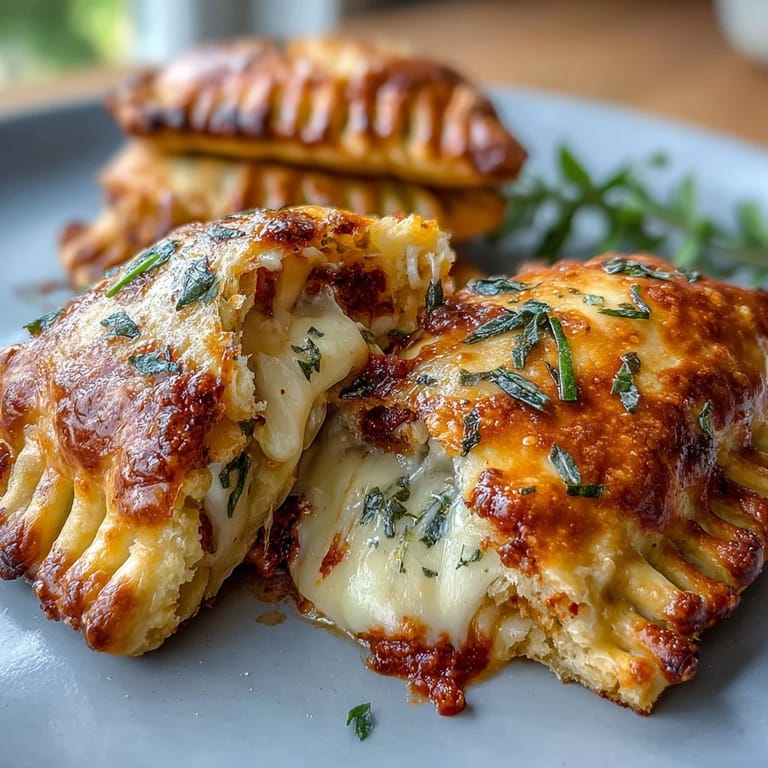
Save Enjoy these guilt-free, high-protein pizza hot pockets that wrap melty mozzarella and zesty pizza sauce in a nutritious, easy-to-make dough. Whether you are looking for a quick lunch, a satisfying snack, or a reliable option for meal prep, these pockets deliver Italian-inspired flavor with an impressive protein punch.
Save Creating the perfect pizza pocket starts with a simple two-ingredient-style dough enhanced with aromatic Italian herbs and garlic. The result is a soft, elastic crust that bakes up beautifully golden and crisp in just 20 minutes.
Ingredients
Tired of Takeout? 🥡
Get 10 meals you can make faster than delivery arrives. Seriously.
One email. No spam. Unsubscribe anytime.
- For the Dough:
- 1 cup (245 g) low-fat Greek yogurt (or blended low-fat cottage cheese)
- 1 cup (120 g) all-purpose flour (or 3/4 cup almond flour + 1/4 cup coconut flour for low carb)
- 1 tbsp baking powder
- 1 tbsp Italian seasoning
- 1 tsp garlic powder (or 2 cloves fresh garlic, minced)
- 1 tsp salt
- For the Filling:
- 120 g (8 tbsp) pizza sauce (homemade or store-bought)
- 160 g (8 slices) low-fat mozzarella cheese (or fat-free mozzarella)
Instructions
- Step 1
- Preheat oven to 375°F (190°C). Line a baking tray with parchment paper.
- Step 2
- In a large mixing bowl, combine flour, baking powder, Italian seasoning, garlic powder, and salt. Stir to mix.
- Step 3
- Add the Greek yogurt and mix with a spatula until a shaggy dough forms.
- Step 4
- Transfer dough to a floured surface. Knead for 2-3 minutes until smooth and elastic.
- Step 5
- Divide dough into 8 equal pieces. Roll each piece into an oval about 6 inches long.
- Step 6
- Place 1 tbsp (15 g) pizza sauce and 1 slice (20 g) cheese on one half of each oval, leaving a ½-inch border.
- Step 7
- Fold dough over filling to form a pocket. Seal edges with a fork, using a bit of water if needed.
- Step 8
- Place pockets on prepared baking tray.
- Step 9
- Bake for 18-20 minutes, or until golden brown and crisp.
- Step 10
- Allow to cool for 5 minutes before serving.
Zusatztipps für die Zubereitung
For an extra boost of flavor and a professional finish, brush the tops of the pockets with a light coating of olive oil and sprinkle with additional Italian seasoning or a pinch of sea salt before placing them in the oven.
Varianten und Anpassungen
You can easily customize these pockets by adding cooked lean ground turkey, shredded chicken, or plant-based protein to the filling. To make them dairy-free, simply swap the mozzarella for your favorite vegan cheese alternative. If you prefer a low-carb version, use the almond and coconut flour blend suggested in the ingredients.
Serviervorschläge
Pair these hot pockets with a fresh green salad tossed in a light balsamic vinaigrette for a balanced and nutritious meal. They also make a great accompaniment to a side of extra warm pizza sauce for dipping.
 Save
Save With 25g of protein and only 200 calories per pocket, these high-protein pizza hot pockets are a delicious way to stay on track with your nutritional goals without sacrificing your favorite flavors.
Recipe FAQs
- → Can I make the dough ahead of time?
Yes, prepare the dough up to 24 hours in advance and store it wrapped in the refrigerator. Let it come to room temperature for about 15 minutes before rolling and filling, as cold dough can be slightly resistant to shaping.
- → What flour works best for high protein content?
All-purpose flour combined with Greek yogurt creates the optimal protein boost. For lower carbohydrates, substitute almond flour and coconut flour, though this will alter the texture slightly and may require additional yogurt to achieve proper dough consistency.
- → How should I store these for meal prep?
Cool completely before storing. Keep in an airtight container in the refrigerator for up to 5 days, or freeze individually wrapped in parchment paper for up to 3 months. Reheat frozen pockets at 350°F for about 15 minutes until heated through and crisp.
- → Can I add vegetables to the filling?
Absolutely. Sauté bell peppers, mushrooms, spinach, or onions before adding to prevent excess moisture. Pat cooked vegetables dry with paper towels to maintain the pocket's structural integrity during baking.
- → Why is my dough too sticky or dry?
Sticky dough usually needs a tablespoon more flour, while dry dough requires a tablespoon of Greek yogurt or water. Humidity and flour absorption vary, so adjust gradually. The dough should be smooth, elastic, and slightly tacky but not sticking to your hands.
- → What's the best way to prevent filling from leaking?
Leave a ½-inch border around the edges, seal firmly with a fork, and brush the border with water before pressing together. Avoid overfilling—one tablespoon of sauce and one cheese slice per pocket provides the perfect ratio without compromising the seal.