 Save
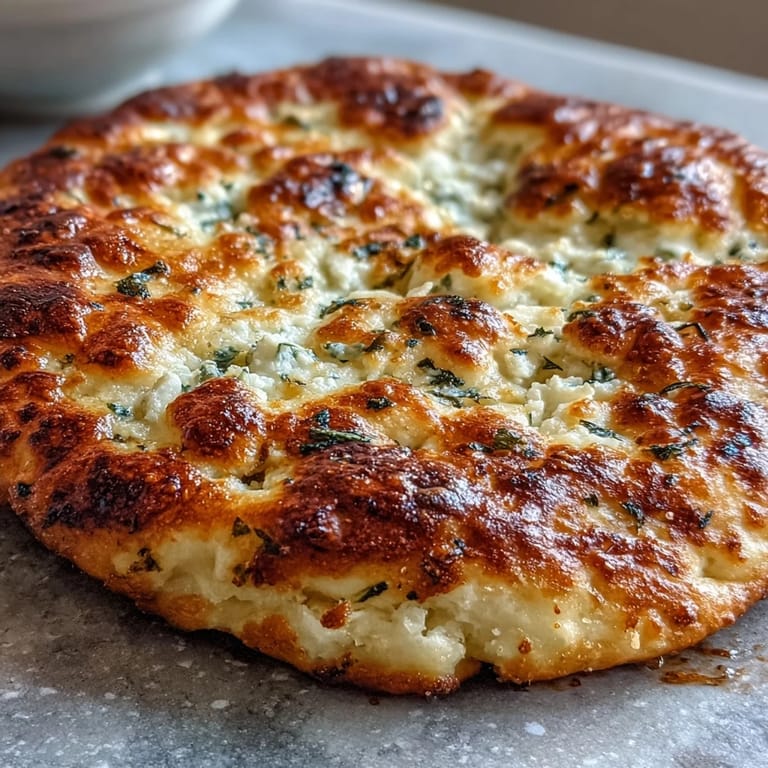
Save The first time I made these cottage cheese flatbreads, I was expecting something dense and heavy. Instead, what emerged from my skillet was incredibly light and fluffy with the most amazing aroma of garlic and herbs. I'd been scrambling to find something to serve with a last-minute dinner party soup, and these flatbreads saved me completely. The dough came together in minutes using cottage cheese that was about to expire in my fridge.
Last summer, I brought these flatbreads to an outdoor potluck where we were grilling. Everyone kept asking where I bought them, their faces lighting up with surprise when I confessed they were homemade. Someone started using them as little pizza bases, adding toppings and warming them on the edge of the grill. By the end of the evening, I was promising to send the recipe to at least six people.
Ingredients
- Cottage cheese: Make sure its well-drained to prevent the dough from becoming too wet, and I find full-fat works best for that melt-in-your-mouth texture.
- All-purpose flour: The backbone of our flatbread that provides just the right structure without becoming tough.
- Fresh herbs: They might seem optional, but even a small amount of fresh parsley or chives creates subtle flavor pockets throughout the bread.
- Garlic powder: A little goes a surprisingly long way, infusing each bite with warmth without overpowering.
- Olive oil: Both in the dough and for cooking, it creates a beautiful golden crust and rich flavor.
Tired of Takeout? 🥡
Get 10 meals you can make faster than delivery arrives. Seriously.
One email. No spam. Unsubscribe anytime.
Instructions
- Mix the dry ingredients:
- Whisk together the flour, baking powder, salt, and garlic powder until they look like a uniform powder. This even distribution means no bitter baking powder pockets later.
- Combine wet ingredients:
- Break down those cottage cheese curds with a fork until relatively smooth, then mix in the egg, olive oil and herbs. The mixture will look a bit lumpy, and thats perfectly fine.
- Form the dough:
- When you pour the wet into dry ingredients, youll see it transform into a shaggy mass that gradually comes together. Add water just a teaspoon at a time if it seems dry, feeling for that soft, slightly tacky consistency.
- Gentle folding:
- This is where restraint pays off, just fold and press 6-8 times until cohesive. Overworking would develop gluten and make your flatbreads tough rather than tender.
- Rest period:
- Those 10 minutes of resting seem small but make magic happen as the flour hydrates and the dough relaxes. I use this time to clean up and prepare my cooking station.
- Divide and roll:
- When portioning the dough, I find slightly flattening each ball with my palm first makes rolling much easier. Aim for about 1/4 inch thickness for the perfect balance of chew and fluff.
- Watch for bubbles:
- Those little bubbles forming on the surface are your signal the flatbread is cooking properly. If they dont appear, your pan probably isnt hot enough.
- Keep them warm:
- The towel trick is essential as it traps steam, keeping the flatbreads soft instead of crispy. Stack them as you go, creating a little sauna effect.
 Save
Save My teenage daughter, who normally avoids anything involving cottage cheese, grabbed one of these flatbreads straight from the skillet once. I watched her eyes widen as she took a bite, immediately followed by, Mom, these are actually amazing. That moment transformed these flatbreads from a recipe I was testing into our familys go-to bread option. Now she even helps make them, claiming shes the better flatbread flipper in the family.
Creative Variations
One rainy afternoon when we couldnt get to the store, I discovered these flatbreads are incredibly forgiving with add-ins. Ive folded in everything from finely chopped spinach for vivid green speckling to caramelized onions that created beautiful sweet pockets throughout the bread. My personal favorite discovery was adding a handful of crumbled feta alongside the cottage cheese, which created the most delightful tangy bursts when you bit into them.
Serving Suggestions
Though perfect on their own with a brush of butter, these flatbreads truly shine as versatile mealtime companions. They soak up curries and stews brilliantly, maintaining their structure without becoming soggy. When were feeling especially lazy but still want something homemade, we turn them into quick pizzas with whatever leftovers are in the fridge, a smear of tomato sauce, and a sprinkle of cheese under the broiler for a few minutes.
Storage and Reheating
The first time I made a double batch to save for later, I was disappointed to find they had stiffened considerably in the refrigerator overnight. Through some trial and error, Ive found the perfect reheating method is to sprinkle them very lightly with water and then warm them in a covered skillet on low heat until theyre soft and pliable again.
- For longer storage, separate each flatbread with a small piece of parchment paper before freezing to prevent them from sticking together.
- When planning to use them as pizza bases, its actually better to use them straight from the refrigerator when theyre firmer.
- A quick 10-second dip in warm water before reheating works wonders for restoring that fresh-made texture.
 Save
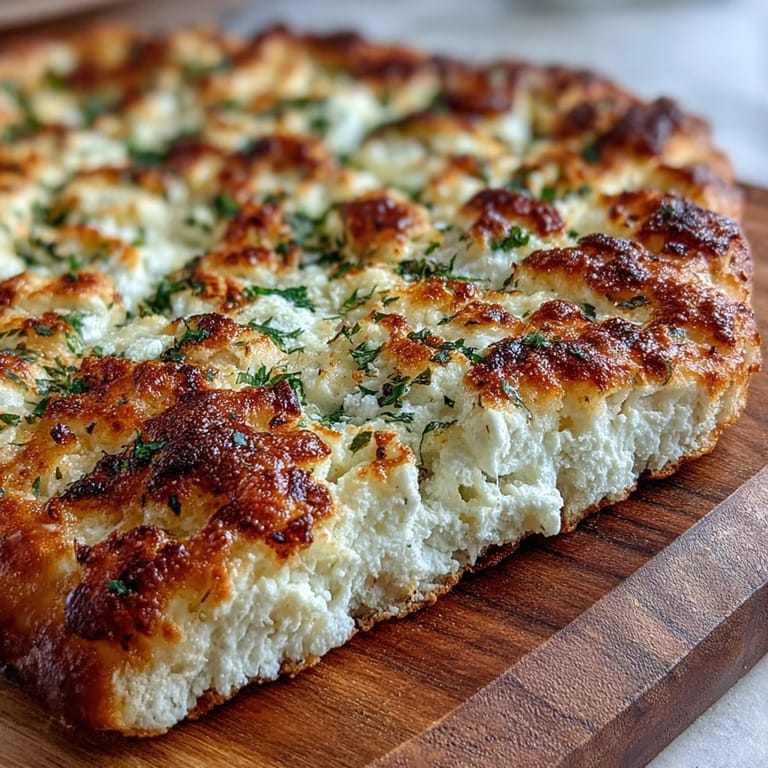
Save These humble flatbreads have become so much more than a recipe in my household, theyre now our solution to nearly any mealtime dilemma. Whether youre making them for a planned feast or an impromptu snack, theyll rise to the occasion with their pillowy texture and versatile nature.
Recipe FAQs
- → Can I make the dough ahead of time?
Yes, prepare the dough and refrigerate it for up to 24 hours before rolling and cooking. Let it come to room temperature for easier shaping.
- → What substitutions work for cottage cheese?
Greek yogurt or ricotta can replace cottage cheese. The texture may vary slightly, but results remain tender and flavorful.
- → Why does my dough feel too sticky?
Add flour one tablespoon at a time while kneading. The dough should be soft and slightly tacky but not sticking to your hands.
- → Can I bake these instead of using a skillet?
Yes, bake at 400°F for 8–10 minutes until puffed and golden. Brush with olive oil before baking for best results.
- → How do I store and reheat leftovers?
Keep in an airtight container for 3 days or freeze up to 1 month. Reheat in a warm skillet or microwave wrapped in a damp paper towel.