 Save
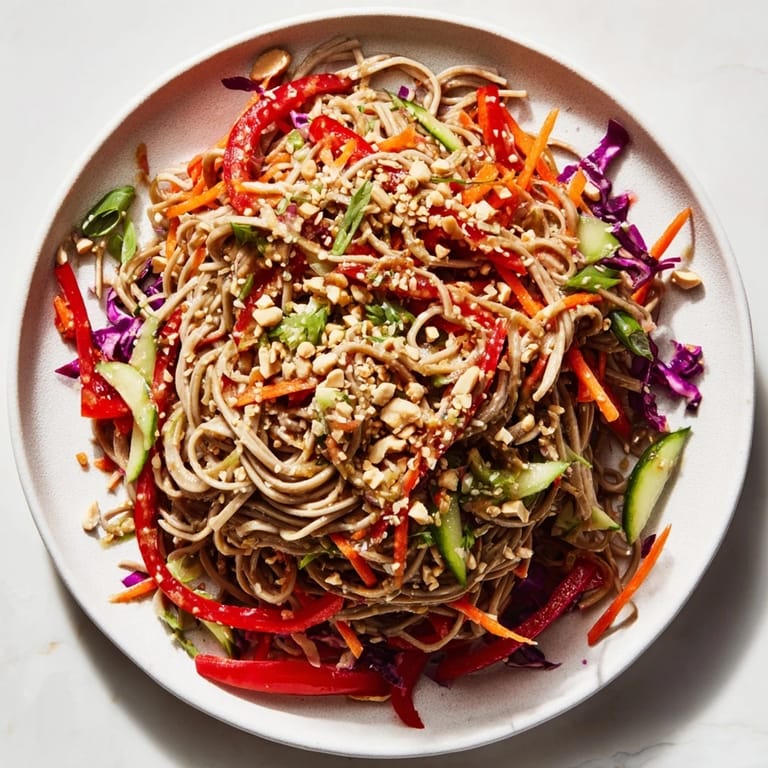
Save One July afternoon, I was standing in my kitchen watching the thermometer climb past 90 degrees, absolutely refusing to turn on the oven. That's when I pulled out a bag of soba noodles and remembered a meal I'd had years ago at a tiny place in the city—nothing fancy, just chilled noodles that tasted like summer itself. By the time I'd julienned a carrot and whisked together sesame oil and ginger, I realized I'd stumbled onto something I'd be making every hot week from then on.
I made this for my neighbors during a heat wave, and they ate it straight from the bowl while sitting on my porch, barely pausing for breath. Watching someone genuinely enjoy food you've made, especially something this simple, is its own kind of magic. That bowl disappeared in minutes, and I've made it at least once a month ever since.
Ingredients
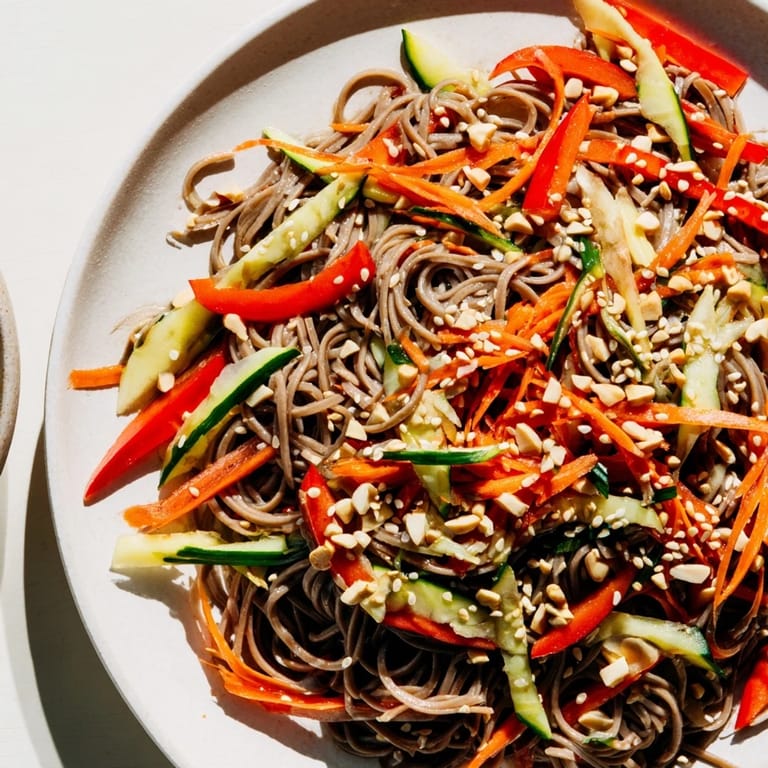
- Dried soba or rice noodles (250 g): Soba has a subtle earthiness that pairs beautifully with sesame, but rice noodles work just as well and are gluten-free—cook them until just tender, not mushy.
- Carrot, julienned: The sweetness balances the salty-savory dressing, and cutting it thin means it actually gets dressed rather than sitting in separate pieces.
- Red bell pepper, thinly sliced: It stays crisp even when coated in dressing and adds a brightness that makes the whole bowl feel lighter.
- Cucumber, seeded and julienned: Seeding it prevents the salad from becoming watery by the second day—a small step that makes a real difference.
- Spring onions, finely sliced: There's a sharpness here that cuts through the richness of sesame oil and keeps things from feeling heavy.
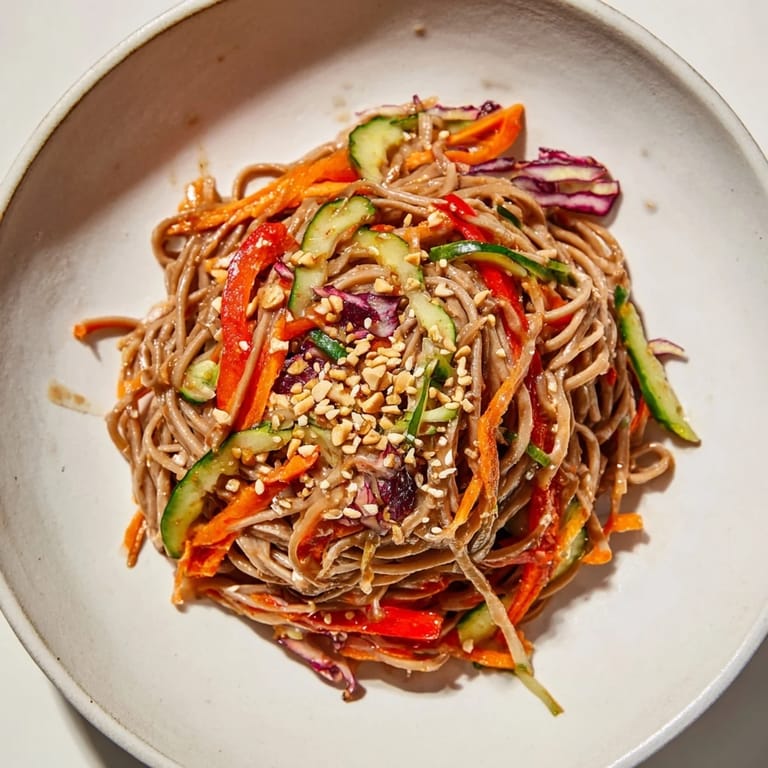
- Red cabbage, thinly shredded: It's sturdy enough to hold up for days and adds a slightly peppery note that makes you want another bite.
- Fresh cilantro, chopped: If you're not a cilantro person, use mint or basil instead—the point is fresh herbs that feel alive.
- Soy sauce (3 tbsp): This is the backbone of the dressing; use good quality if you have it because you taste every drop.
- Rice vinegar (2 tbsp): It's milder than regular vinegar and lets the ginger come through without making your face pucker.
- Toasted sesame oil (2 tbsp): Buy the small bottle and keep it in a cool spot—the aroma should be nutty and almost intoxicating.
- Honey or maple syrup (1 tbsp): Just enough to round out the edges and make the dressing taste balanced instead of sharp.
- Fresh ginger, finely grated (1 tbsp): Microplane is the tool here—it captures all the juice and makes the ginger distribute evenly through the dressing.
- Garlic clove, minced: One is usually right, but taste as you go because garlic can sneak up on you.
- Sriracha or chili sauce (1 tsp, optional): I leave it out unless I'm cooking for people who like heat, but it adds a welcome kick if you do use it.
- Toasted sesame seeds (1 tbsp in dressing, plus extra for garnish): They're what makes you close your eyes and take another bite—don't skip them.
- Roasted peanuts or cashews, roughly chopped: The crunch is essential; soggy nuts nobody wants.
Tired of Takeout? 🥡
Get 10 meals you can make faster than delivery arrives. Seriously.
One email. No spam. Unsubscribe anytime.
Instructions
- Boil the noodles until they're just tender:
- Follow the package timing, but start checking a minute early—there's a narrow window between perfectly done and gummy. Drain and rinse them under cold water while tossing gently, then spread them on a plate or sheet pan so they finish cooling and don't stick together.
- Slice and prep every vegetable:
- Do this while the noodles cool so everything is ready when you need it. The finer you cut them, the better they absorb the dressing later.
- Whisk the dressing together in a small bowl:
- Start with soy sauce and vinegar, then add the sesame oil slowly so it emulsifies slightly. Finish with ginger, garlic, honey, and sesame seeds—taste it straight from the whisk to see if you want more ginger or less salt.
- Combine everything in a large bowl:
- Toss the cooled noodles with all the vegetables and cilantro, then pour the dressing over and turn everything with salad tongs or two forks until every strand is coated. If it looks a little dry, you can whisper in a teaspoon more sesame oil.
- Plate it and finish with crunch:
- Divide among bowls and scatter peanuts and extra sesame seeds on top right before serving so they don't soften. If you've made this ahead, toss everything together again to re-coat just before eating.
 Save
Save There was an evening when I realized my teenage nephew had actually put his phone down to eat seconds of this salad, and we spent twenty minutes talking about where sesame oil comes from and why ginger tastes the way it does. Food that makes people slow down and pay attention, even a little bit, is the kind worth keeping around.
Making It Your Own
The beauty of this salad is how willing it is to change. I've made it with shrimp on busy weeknights, with crispy tofu when I wanted something hearty, with mint instead of cilantro because that's what I had. The dressing stays the same and everything else bends to what you're in the mood for. Some people add shredded beets or snap peas—whatever grows in your garden or calls to you at the market that week.
Timing and Make-Ahead
This is one of those meals that rewards you for being organized but doesn't punish you if you're not. You can cook the noodles in the morning and prep all your vegetables hours ahead—they'll be happier in the fridge anyway. The dressing is genuinely better if it sits for a little while and lets the flavors get to know each other. If you're bringing this somewhere, pack the dressing separately and toss everything together when you arrive, or your salad will lose its snap by the time you get there.
Serving and Pairing
I serve this in shallow bowls so you can see all the colors, and I always have lime wedges on the side for people who want to brighten it up even more. Chilled white wine is lovely alongside it, or iced green tea if you want to keep the Asian-inspired theme going. It's equally happy as a light lunch for one or a casual dinner party when you multiply the quantities.
- If you add protein like shrimp or chicken, warm it gently and cool it completely before tossing into the salad.
- The dressing keeps in a jar in the fridge for about a week and is delicious on grilled vegetables or as a dip for spring rolls.
- Leftover salad will stay reasonably good for two days, though the vegetables gradually soften and the noodles absorb more dressing—not bad, just different.
 Save
Save Make this when you need something that feels light but isn't boring, or when the heat makes cooking feel like a punishment. It's the kind of dish that reminds you why simple food, made with care, is sometimes exactly what you needed.
Recipe FAQs
- → What type of noodles work best?
Dried soba noodles provide a nutty flavor, but rice noodles make a great gluten-free alternative.
- → How can I make the dressing spicier?
Adding Sriracha or chili sauce to the sesame-ginger dressing introduces a mild heat dimension.
- → Can I prepare the salad in advance?
Yes, chilling the salad for an hour enhances the flavors, but it's best served within a few hours for freshness.
- → Are there protein additions recommended?
Grilled chicken, cooked shrimp, or tofu can be added to boost protein content and make the dish more filling.
- → What are good alternatives for nuts in this salad?
For nut allergies, omit roasted peanuts or cashews and use crunchy seeds like pumpkin or sunflower seeds instead.