 Save
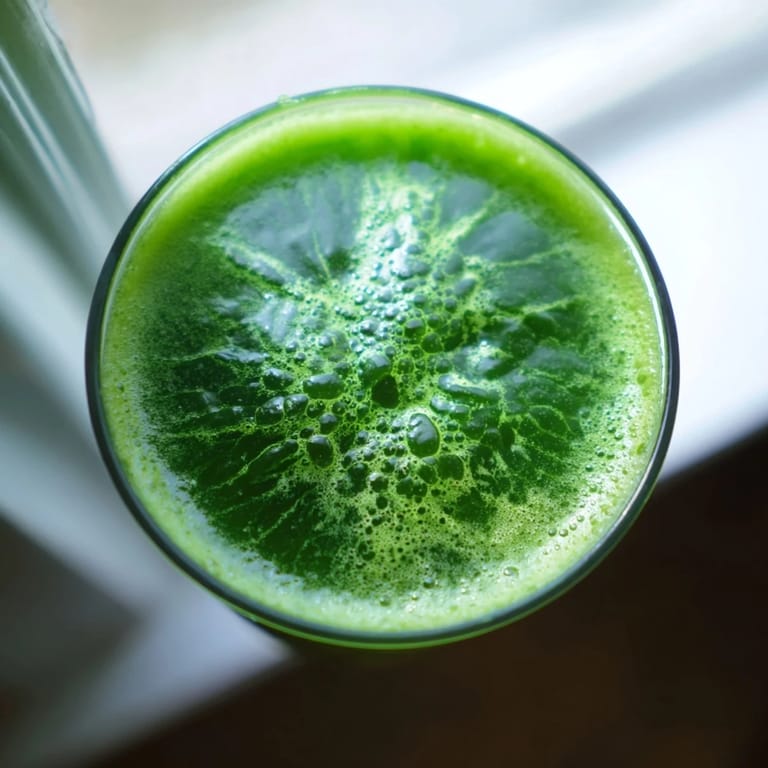
Save The blender was louder than I expected that Sunday morning, and I worried it would wake the whole house. I was experimenting with leftover kale from the farmers market and a sad-looking cabbage I almost tossed. What came out was this shockingly green liquid that tasted like someone liquefied a garden in the best possible way. My skeptical partner took one sip, paused, then finished the entire glass without a word.
I started making this every Monday after particularly indulgent weekends, and it became a quiet ritual. My neighbor once caught me hauling bags of cabbage up the stairs and asked if I was starting a sauerkraut business. When I explained it was for juice, she looked at me like Id suggested drinking carpet, but two weeks later she texted asking for the recipe. Now we both blend our greens on Monday mornings, sometimes texting photos of our alarmingly bright creations.
Ingredients
- Green cabbage: I use regular green cabbage because its cheap and surprisingly sweet when juiced, plus it doesnt overpower the other flavors like red cabbage sometimes does.
- Kale leaves: Remove those thick stems or your blender will sound like its chewing rocks, and the juice stays smoother without that fibrous bitterness.
- Cucumber: This is your hydration hero and makes the whole thing drinkable instead of swamp-like, so dont skip it even if you think cucumbers are boring.
- Celery: One stalk adds a subtle saltiness that balances the sweetness, and it juices so easily it practically does the work for you.
- Green apple: The apple is non-negotiable for me because it cuts through the vegetable intensity and makes this taste like something you actually want to drink.
- Lemon juice: Fresh lemon brightens everything and keeps the juice from oxidizing too fast, plus it adds that little zing that wakes up your taste buds.
- Fresh ginger: A small knob goes a long way, I learned this after making a batch so spicy I could barely swallow it, so start conservative.
- Cold water: Only necessary if youre blending instead of juicing, and it helps everything move without burning out your blender motor.
Tired of Takeout? 🥡
Get 10 meals you can make faster than delivery arrives. Seriously.
One email. No spam. Unsubscribe anytime.
Instructions
- Wash Everything Really Well:
- Run all your produce under cold water and give the kale and cabbage a good shake because they love hiding dirt in their crinkly leaves. I once skipped this step in a rush and ended up with gritty juice that taught me a crunchy lesson.
- Prep Your Produce:
- Chop the cabbage and kale into rough pieces, core the apple, peel the cucumber and ginger, and cut the celery into manageable chunks. Everything should be small enough that your juicer or blender doesnt stage a revolt.
- Juicer Method:
- Feed everything through your juicer in whatever order feels right, though I like to alternate hard and soft ingredients so nothing jams. Stir the final juice because the ginger likes to settle at the bottom like a spicy surprise.
- Blender Method:
- Toss everything into your blender with the water and let it run until you cant see any chunks, which usually takes about a minute on high. Strain it through a fine mesh sieve or nut milk bag if you want it smooth, or leave the pulp if youre feeling fiber-ambitious.
- Serve Immediately:
- Pour over ice if you want it extra refreshing, and drink it right away before the color starts fading to that sad brownish-green that happens when juice sits too long.
 Save
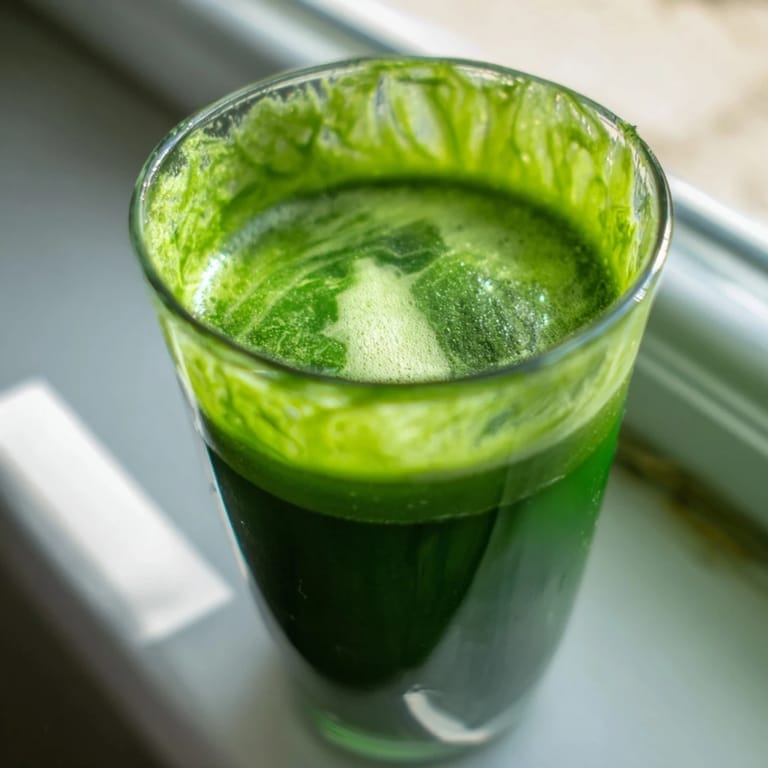
Save The first time I brought this to a brunch potluck, someone asked if it was a dare. But after everyone reluctantly tried it, three people asked for the recipe and one friend admitted she drank the rest straight from the pitcher when no one was looking. It stopped being the weird green thing I made and became the drink people actually requested, which felt like a small victory for vegetables everywhere.
Choosing Your Equipment
A juicer gives you that clean, pulp-free experience and extracts more liquid from stubborn vegetables like cabbage, but it also means more parts to wash. I use my blender most mornings because its faster to clean and I dont mind straining, plus I can add the leftover pulp to smoothies later. Either way works beautifully, so use whatever machine you actually have instead of letting perfect be the enemy of hydrated.
Making It Your Own
Some mornings I add half a pear when the juice tastes too aggressively green, and other times I throw in extra lemon when I need that wake-up call. My partner likes it spicier so he doubles the ginger, while I keep mine mellow enough to drink before coffee. The base recipe is forgiving enough that you can adjust based on your mood or whatever produce is looking wilted in your fridge.
Storage and Timing
I learned the hard way that this juice does not age gracefully, so make only what youll drink immediately. If you absolutely must save some, store it in an airtight container in the fridge for no more than a few hours, and give it a good stir before drinking because everything separates. The flavor dulls and the color fades fast, so think of this as a drink-it-now kind of recipe.
- Always add ice right before serving rather than blending it in, or your juice gets watery.
- Save that strained pulp for adding to muffins or veggie burgers instead of tossing it.
- Drink this on an empty stomach in the morning if youre going for maximum detox feelings.
 Save
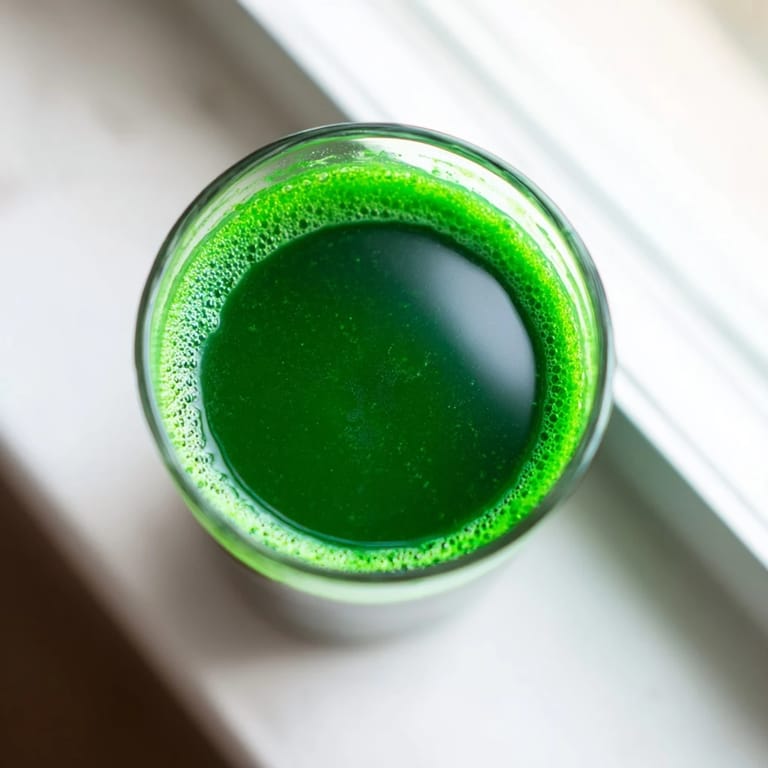
Save This juice has become my reset button, the thing I make when I need to feel like Im taking care of myself without overthinking it. Its proof that vegetables can taste good when you treat them right, and that sometimes the healthiest choice is also the simplest one.
Recipe FAQs
- → Can I make this juice without a juicer?
Yes, a high-powered blender works well. Blend all ingredients with water, then strain through a fine mesh sieve or nut milk bag to remove pulp if desired.
- → How long does this juice stay fresh?
Fresh-pressed juice is best consumed immediately for maximum nutrients and flavor. Store in an airtight container in the refrigerator for up to 24 hours if needed.
- → Can I add sweetness to this juice?
Absolutely. Add half a ripe pear or an additional green apple for natural sweetness without affecting the nutritional profile significantly.
- → Is this juice suitable for people with allergies?
This juice is naturally free from gluten, dairy, nuts, and soy. However, it contains celery, which may trigger allergies in sensitive individuals. Always verify ingredient labels for unexpected allergens.
- → What should I do with the pulp from blending?
Pulp can be added to smoothie bowls for extra fiber, used in soups or stews, or composted if you prefer a pure juice consistency.
- → How can I adjust the flavor?
Customize by varying ginger amount for more or less spice, adding extra lemon juice for tanginess, or incorporating optional fruits like pear for sweetness.