 Save
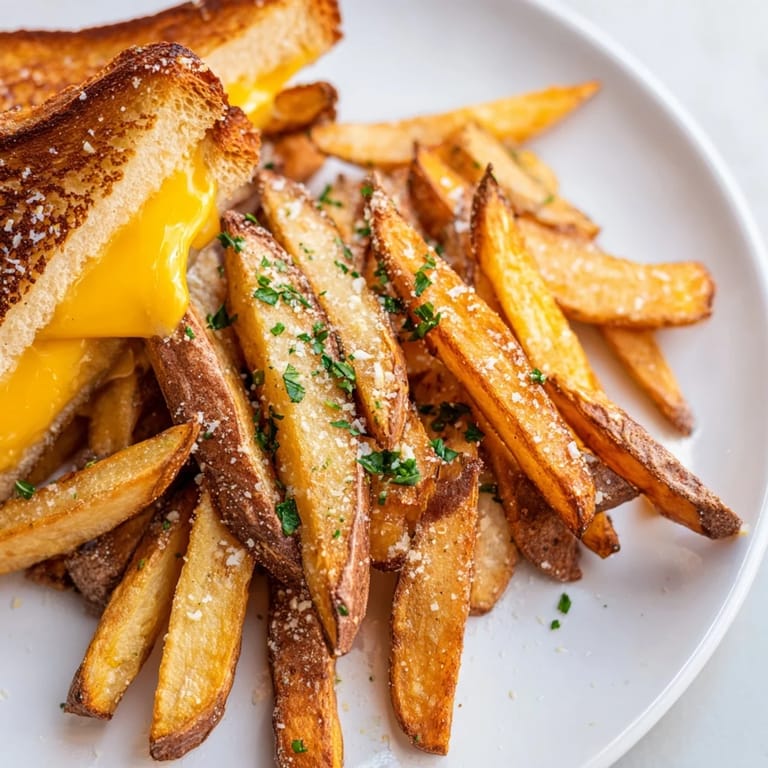
Save There's something about beef tallow that takes you back to diners that don't exist anymore—the kind with cracked red vinyl booths and a fryer that's been running since breakfast. When I first tried fries cooked in it at a small burger joint, I couldn't stop eating them, even though my fingers were slick with the most delicious fat. That same evening, I realized I had a block of beef tallow in my freezer from a local butcher, and the idea hit me: why not make both the fries and a grilled cheese together, the way comfort food should be? This combination became my answer to those 3 AM cravings when nothing else would do.
I made this for my brother on a random Thursday when he stopped by complaining he hadn't eaten all day. He was skeptical about beef tallow—said it sounded fancy—but after one bite of those fries, he just went quiet and kept reaching for more. By the time he finished the grilled cheese, he was asking me to write down the recipe. That moment reminded me that the best food isn't about impressing anyone; it's about feeding people something that makes them forget they were hungry in the first place.
Ingredients
- Russet potatoes: They're starchy enough to develop that shattering crust, but their inside stays creamy—peel them fresh and don't skip the water soak, it's what makes the difference.
- Beef tallow: Hunt it down at a good butcher; it's usually cheap or free if you ask. That rendered fat is pure flavor and the reason these fries taste like memory.
- Kosher salt and black pepper: Finish the fries while they're still steaming so the seasoning sticks—it's the small move that matters most.
- Sourdough bread: The tanginess cuts through the richness and won't turn into mush; a sturdy crumb is essential here.
- Sharp cheddar cheese: Don't use mild; sharp cheddar has enough personality to stand up to the savory beef notes from the fries.
- Unsalted butter and mayonnaise: Butter browns the bread, and mayo (if you use it) adds a secret layer of crispness on the outside.
Tired of Takeout? 🥡
Get 10 meals you can make faster than delivery arrives. Seriously.
One email. No spam. Unsubscribe anytime.
Instructions
- Soak and prep your potatoes:
- Cut them into quarter-inch sticks—consistency matters for even cooking—then submerge them in cold water for thirty minutes or longer. This pulls out starch so they fry up crispy instead of gummy. Pat them completely dry before they hit the oil; any moisture is the enemy of crispness.
- First fry at lower temperature:
- Heat your beef tallow to 325 degrees and work in batches so the temperature doesn't drop. You're building flavor and tenderness here, not color; three to five minutes until they're just soft when you pierce one with a fork. Drain them on fresh paper towels and let them rest—they need this moment.
- Crank the heat for the second fry:
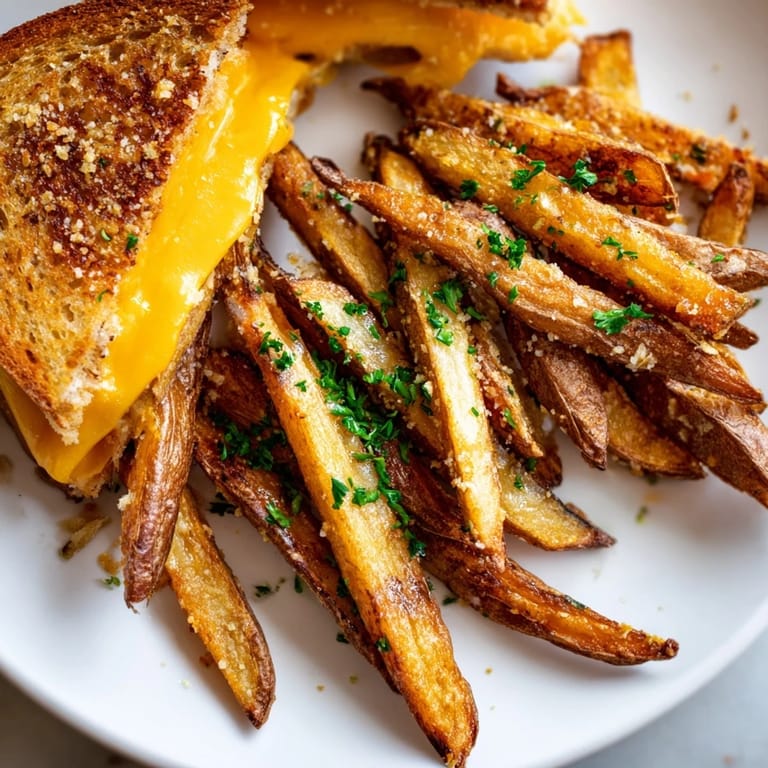
- Bring the tallow up to 375 degrees and fry again in batches for two to three minutes until they're golden and shattering when you bite them. This is where the magic happens. Season immediately while they're still steaming, taste one, and adjust—this is your moment to get it right.
- Build your sandwiches:
- Spread softened butter on one side of each bread slice, and if you're using it, mix a little mayo into the butter for extra richness and browning. Layer your cheese between two slices with the buttered sides facing outward—two slices of cheese per sandwich keeps everything balanced.
- Toast to golden perfection:
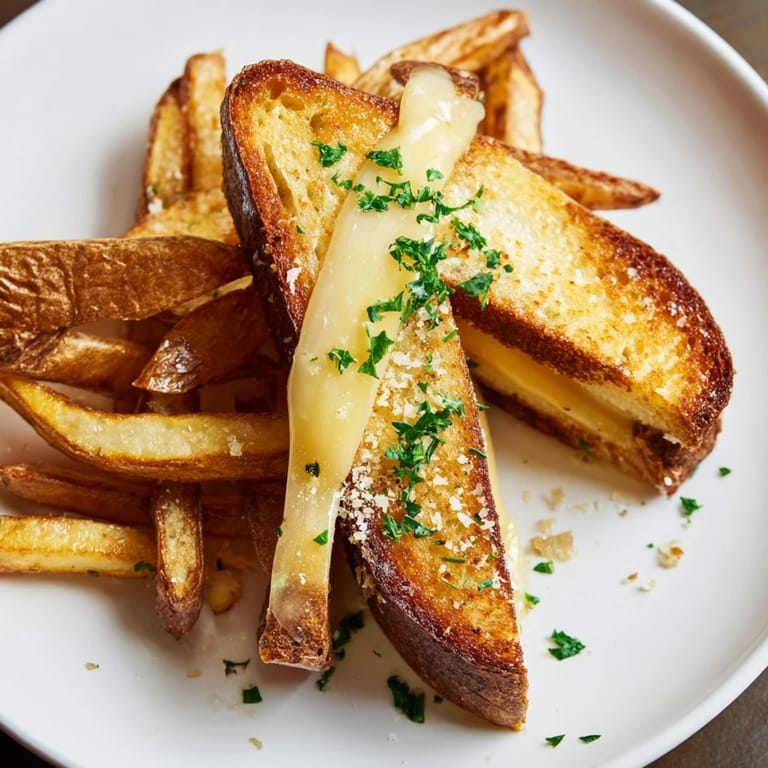
- Heat your skillet or griddle over medium heat and lay the sandwiches down gently. Cook three to four minutes per side, pressing down lightly with a spatula to help the cheese melt and the bread brown evenly. You want dark golden, almost amber, with the cheese completely pooled inside.
- Plate and serve immediately:
- Grilled cheese cools fast and loses its magic, so get everything plated right away. Put the sandwich down, pile those fries alongside it, and serve it hot enough that the steam rises—that's when it's perfect.
 Save
Save I remember my grandmother saying that the best meals are the ones where you're not thinking about hunger anymore, you're just thinking about the person across from you. This plate does that—it's unpretentious, it's warm, and it tastes like someone spent time on it. That's when food becomes more than calories; it becomes a small kindness you give yourself or someone else.
Why Beef Tallow Changes Everything
Beef tallow has a savory depth that vegetable oil will never touch—it's almost meaty, with a richness that makes you understand why old-school diners wouldn't use anything else. The first time you cook fries in it, you realize what you've been missing. It doesn't smoke at high temperatures the way other fats do, which means your kitchen won't smell fried; it'll smell like something being made with intention. Once you go this route, regular fries feel thin and hollow by comparison.
The Grilled Cheese as an Anchor
The grilled cheese isn't just a side here—it's the pause between bites of fries, the thing that keeps this meal from being one-note. Sharp cheddar matters because mild cheese would disappear against the beef tallow's assertiveness. Sourdough matters because its slight tang plays against the richness of the butter and cheese. When you get the toast right, golden and crisp with the cheese still pooling inside, you've got something that tastes casual but feels like you planned it.
Making It Your Own
This is a foundation, not a rulebook. If you want to layer in Gruyère or smoked gouda with the cheddar, do it. If you want to dust your fries with a tiny pinch of smoked paprika or fresh thyme, that works. If you don't have sourdough, a sturdy white bread toasts beautifully too—just pick something that won't collapse under the heat.
- Serve alongside a simple aioli, hot sauce, or even just ketchup if that's what you want.
- If you can't find beef tallow, duck fat is the closest alternative in terms of flavor and performance.
- Make sure your beef tallow is pure and hasn't been mixed with other fats—that's where you get the clean, savory flavor.
 Save
Save This is the kind of meal that doesn't need a reason. It just needs an afternoon, some good ingredients, and the kind of hunger that only real food can satisfy.