 Save
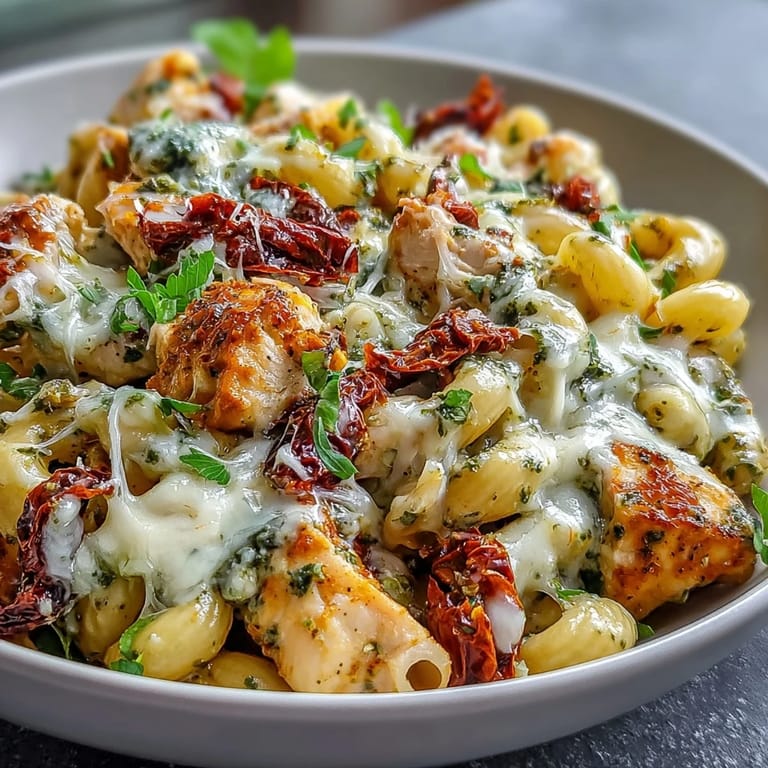
Save There's something magical about discovering that two completely different dishes can actually be best friends. One Tuesday evening, I was standing in my kitchen with half a container of basil pesto staring at me from the fridge, and a craving for something warm and substantial that wouldn't feel like the usual weeknight routine. That's when it hit me—what if I stopped thinking of pesto as just a pasta sauce and actually let it play in the comfort food sandbox? The result was this unexpected collision of Italian garden flavors with the cozy, stick-to-your-ribs energy of chili mac, and honestly, I haven't looked back since.
I made this for my neighbor Sarah the first time she mentioned feeling exhausted from always cooking complicated dinner recipes for her family. She brought over a bottle of wine, skeptical that chicken and pesto mac could possibly hit the same notes as what she'd been attempting all week. Watching her take that first bite and then immediately go back for seconds—that's when I realized this dish has a secret superpower: it feels indulgent without demanding anything from you.
Ingredients
- 1 lb boneless, skinless chicken breast or thighs, cut into bite-sized pieces: Thighs will give you more forgiving, juicier results if you're worried about drying out the chicken, though breasts work beautifully too if you cut them into smaller chunks.
- 8 oz elbow macaroni: Short pasta shapes trap sauce like tiny flavor sponges, so don't get tempted to swap in linguine or anything fancy here.
- 1 medium yellow onion, diced: This builds the aromatic base that makes your kitchen smell like something special is happening.
- 2 cloves garlic, minced: Fresh garlic makes a genuine difference; the jarred stuff will never deliver quite the same punch.
- 1/2 cup sun-dried tomatoes packed in oil, drained and chopped: These concentrated little jewels add umami depth and a subtle sweetness that balances the pesto beautifully.
- 1 can (15 oz) diced tomatoes: You want the kind with juices still clinging to them—that liquid is liquid gold for your sauce.
- 1 cup shredded mozzarella cheese: The stretchy, melty player that makes every bite feel luxurious.
- 1/4 cup grated Parmesan cheese: This adds the salty, umami punch that reminds your taste buds why they're here.
- 1/3 cup basil pesto: Homemade tastes brighter, but store-bought absolutely gets the job done when life is busy.
- 2 cups chicken broth: This is what turns everything into an actual sauce rather than just a sad pile of pasta.
- 1/2 tsp dried oregano: A gentle nod to Italian tradition that ties the whole situation together.
- 1/4 tsp crushed red pepper flakes: Optional, but they whisper a little heat that won't overwhelm anyone at the table.
- Salt, freshly ground black pepper, and 2 tbsp olive oil: These humble players deserve respect—quality olive oil especially will elevate everything it touches.
Tired of Takeout? 🥡
Get 10 meals you can make faster than delivery arrives. Seriously.
One email. No spam. Unsubscribe anytime.
Instructions
- Brown the chicken:
- Heat olive oil in a large pot over medium heat until it shimmers, then add your chicken pieces and let them sit undisturbed for a couple minutes before stirring. You're after golden edges that indicate real flavor is being built, not just cooked-through chicken.
- Build the aromatics:
- Remove the chicken to a plate, then add your diced onion to the same pot where all those golden bits are stuck. After about 3 minutes of softening, add the garlic and sun-dried tomatoes—the kitchen will suddenly smell like an Italian dream.
- Combine everything:
- Return the chicken to the pot along with the canned tomatoes and their juices, broth, oregano, pepper flakes, and a pinch of salt and pepper. Stir everything together and let it come to a gentle boil.
- Add pasta and simmer:
- Stir in the pasta, lower the heat, and cover the pot to let everything cook together for 10–12 minutes, stirring occasionally. The pasta will soften while the chicken finishes cooking and all those flavors get acquainted.
- Finish with pesto and cheese:
- Once the pasta is tender and the chicken is cooked through, stir in the pesto and both cheeses until you have a creamy, gorgeous sauce that coats every piece. Taste as you go and adjust seasoning—this is your moment to make it exactly right.
 Save
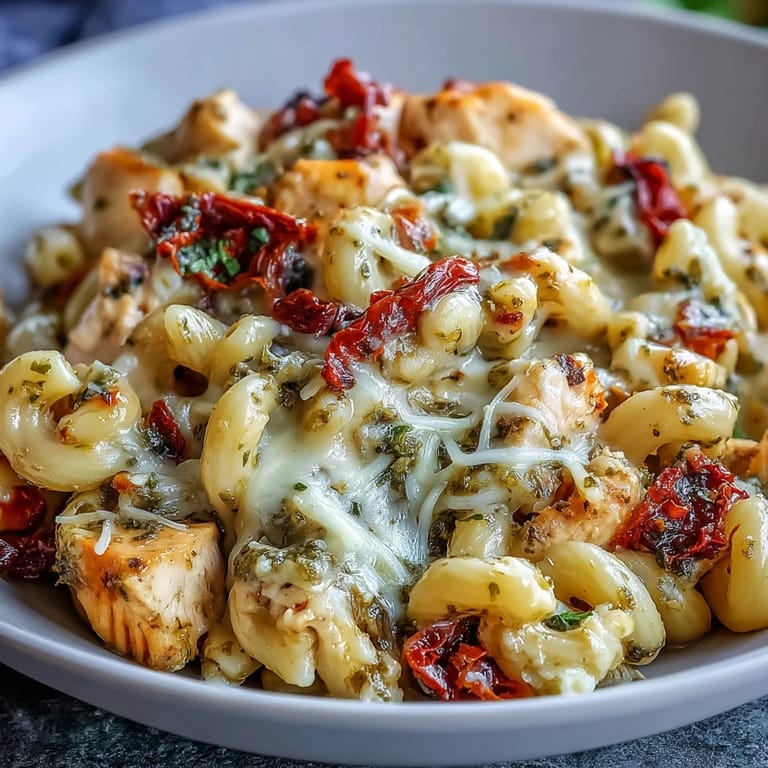
Save My daughter asked for seconds that evening, and then asked if we could make it again the following week. That's when I understood this dish had crossed some invisible line from novelty dinner to something that might actually become a regular player in our rotation. Food has this quiet way of becoming part of your story when it shows up at the right moment with the right flavor.
The Pesto Factor
Pesto is honestly underrated outside of pasta dishes, and this recipe is where I finally figured out why it works so brilliantly in a situation like this. The bright basil doesn't compete with the sun-dried tomatoes or the mozzarella—instead, it creates a bridge between all the Italian flavors while adding a freshness that stops everything from feeling too heavy. If you're making homemade pesto, you'll notice the color stays vibrant and alive, which is both a visual win and a flavor indicator that you've captured real basil essence rather than something that's sat in a jar for months.
Why This Works as One Pot
Cooking pasta directly in the broth instead of in a separate pot of salted water might sound unconventional, but it's actually genius because the pasta absorbs all that seasoned liquid as it cooks. This eliminates an entire step, an extra pot, and honestly, it makes the sauce more integrated and flavorful than if you cooked everything separately. The chicken has already flavored the broth with its juices, so when the pasta cooks in there, it's essentially getting a gentle education in everything that makes this dish special.
Timing, Texture, and Making It Your Own
The beauty of this dish is how forgiving it actually is, even though it sounds like it's doing a lot of things at once. If you find your sauce is too thick at the end, just add a splash of broth or pasta water to loosen it up. If it feels too thin, let it simmer for another minute or two without the lid on to let some liquid evaporate—sauce is always adjustable.
- Ground turkey or chicken works beautifully if you want to skip the cutting step and let the meat break into tiny pieces instead.
- Fresh spinach stirred in at the very end adds greenery without changing the flavor profile or adding much cooking time.
- A drizzle of really good olive oil and extra fresh basil on top right before serving brings the whole thing full circle and looks intentional.
 Save
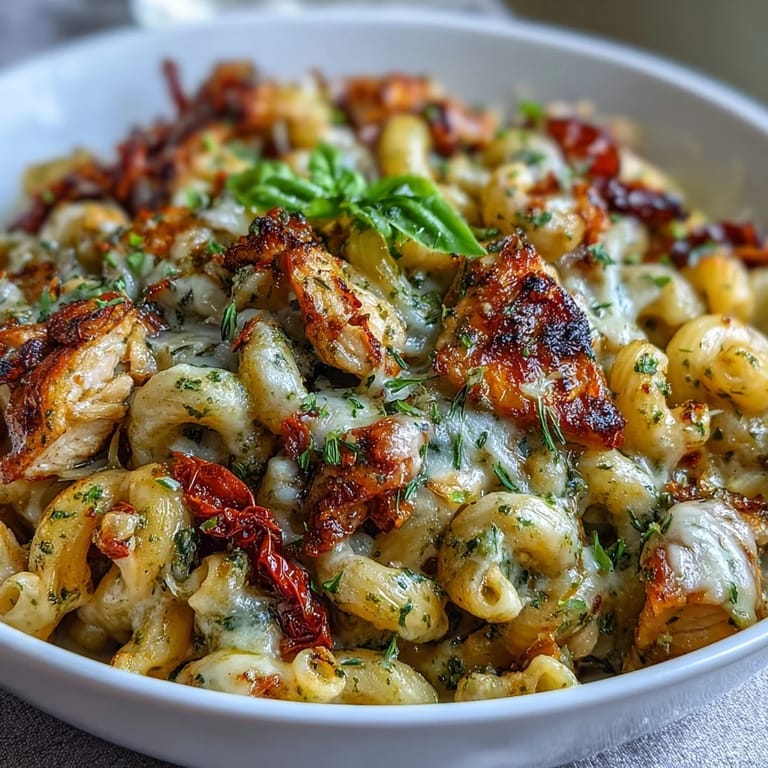
Save This recipe has become my answer to those nights when I want something that tastes like I actually tried, but where the effort stays reasonable. It's the kind of dish that reminds you why cooking is worth doing in the first place.
Recipe FAQs
- → Can I use different pasta shapes?
Yes. While elbow macaroni works well for holding sauce, other short pasta shapes like penne, rotini, fusilli, or shells work great. Just adjust cooking time as needed for the pasta you choose.
- → Is there a substitute for sun-dried tomatoes?
You can use diced fresh Roma tomatoes, though they'll add more liquid. Alternatively, try roasted red peppers for similar sweet intensity, or simply omit them and add extra diced tomatoes.
- → Can I make this dairy-free?
Use dairy-free pesto and substitute vegan cheese shreds for the mozzarella and Parmesan. Nutritional yeast can add savory flavor. The sauce will still be creamy from the pesto oil.
- → How do I store and reheat leftovers?
Keep in an airtight container in the refrigerator for 3-4 days. Reheat gently on the stovetop with a splash of broth or water to loosen the sauce. The pasta may absorb more liquid overnight.
- → Can I use jarred marinara instead of diced tomatoes?
Yes, jarred marinara works well and may add more herbs. Use about 1 cup instead of the can of diced tomatoes. You might need slightly less seasoning since marinara is already seasoned.
- → What's the best way to prevent the pasta from getting mushy?
Cook until just al dente as the pasta will continue cooking in the hot sauce. Also, stir occasionally while simmering to prevent sticking. If making ahead, undercook slightly and add more liquid when reheating.