 Save
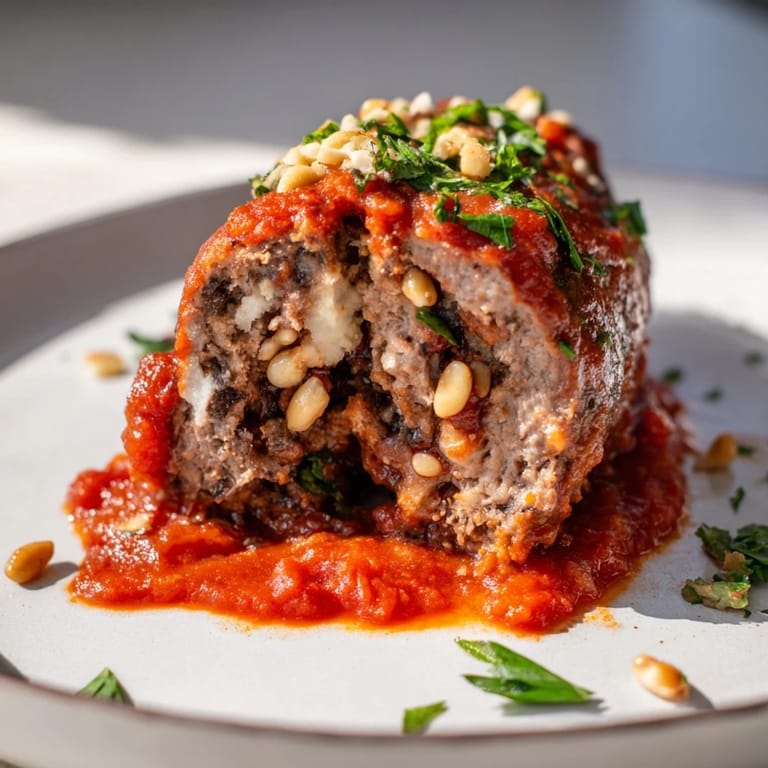
Save My neighbor Maria stood at my kitchen counter, pinching the filling between her fingers and shaking her head. Too dry, she said, and poured another glug of olive oil into the bowl without measuring. That afternoon taught me more about braciole than any recipe ever could—how the filling should glisten, how the rolls need to be snug but not strangled, and how patience turns tough meat into something you can cut with a fork. She grew up in Palermo, and this was Sunday food, the kind that made the whole house smell like someone loved you.
I made this for my in-laws the first time they visited, and I was so nervous I tied the rolls too tight and one exploded in the pan. My father-in-law laughed and said that meant it was authentic. We ate it anyway, sauce-stained and imperfect, and he told stories about his own grandmother browning meat in a cast iron skillet every Sunday morning. Food has a way of turning strangers into family when you let it be a little messy.
Ingredients
- Beef top round or flank steak: Thin slices are essential so they roll without tearing, and pounding them gently evens out thickness for consistent cooking and tenderness.
- Pecorino cheese: Sharper and saltier than Parmesan, it adds a distinctly Sicilian punch that balances the sweetness of raisins beautifully.
- Pine nuts: Toasting them for just a few minutes in a dry pan wakes up their buttery flavor and keeps them from tasting flat inside the roll.
- Raisins: They plump up as the braciole simmers and add little bursts of sweetness that surprise you in the best way.
- Fresh parsley and basil: Brightness is key here, and fresh herbs bring a grassy note that dried versions just cannot match.
- Garlic: Minced fine so it melts into the filling and does not overpower, just whispers in the background.
- Breadcrumbs: They soak up moisture and help the filling hold together instead of spilling out when you slice the rolls.
- Crushed tomatoes: Use good quality canned tomatoes, preferably San Marzano, because they simmer into a sauce that tastes like summer even in January.
- Dry red wine: Optional but worth it, the wine adds depth and a little acidity that brightens the whole pot.
- Olive oil: For searing and sautéing, it builds flavor in layers and keeps everything from sticking.
Tired of Takeout? 🥡
Get 10 meals you can make faster than delivery arrives. Seriously.
One email. No spam. Unsubscribe anytime.
Instructions
- Prep the Beef:
- Lay each slice flat on a cutting board and use a meat mallet to gently pound it to about a quarter inch thick, working from the center outward so it stays even. Season both sides with salt and pepper, remembering the filling is salty too, so go light.
- Make the Filling:
- Toss together the pecorino, toasted pine nuts, raisins, parsley, basil, garlic, and breadcrumbs in a bowl until everything is evenly mixed and the cheese coats the nuts. It should look like a chunky, fragrant stuffing that holds together when you pinch it.
- Roll and Tie:
- Spread a generous spoonful of filling onto each beef slice, leaving about half an inch around the edges, then roll it up tightly from one short end, tucking in the sides as you go. Secure each roll with kitchen twine or a few toothpicks so it does not unravel in the pan.
- Sear the Braciole:
- Heat olive oil in a large skillet over medium-high until it shimmers, then add the rolls and sear them on all sides until deeply browned, about six to eight minutes total. This step locks in flavor and gives the sauce something to build on, so do not rush it.
- Build the Sauce:
- In the same skillet, add a bit more olive oil and sauté the chopped onion until soft and translucent, then stir in the garlic and cook just until fragrant, about a minute. If using wine, pour it in now and let it bubble and reduce by half, scraping up all the browned bits stuck to the bottom.
- Simmer:
- Add the crushed tomatoes, oregano, salt, pepper, and a pinch of sugar if your tomatoes taste sharp, then nestle the seared braciole back into the sauce. Cover the skillet, lower the heat, and let everything simmer gently for about an hour and fifteen minutes, turning the rolls occasionally so they cook evenly and the beef becomes melt-in-your-mouth tender.
- Finish and Serve:
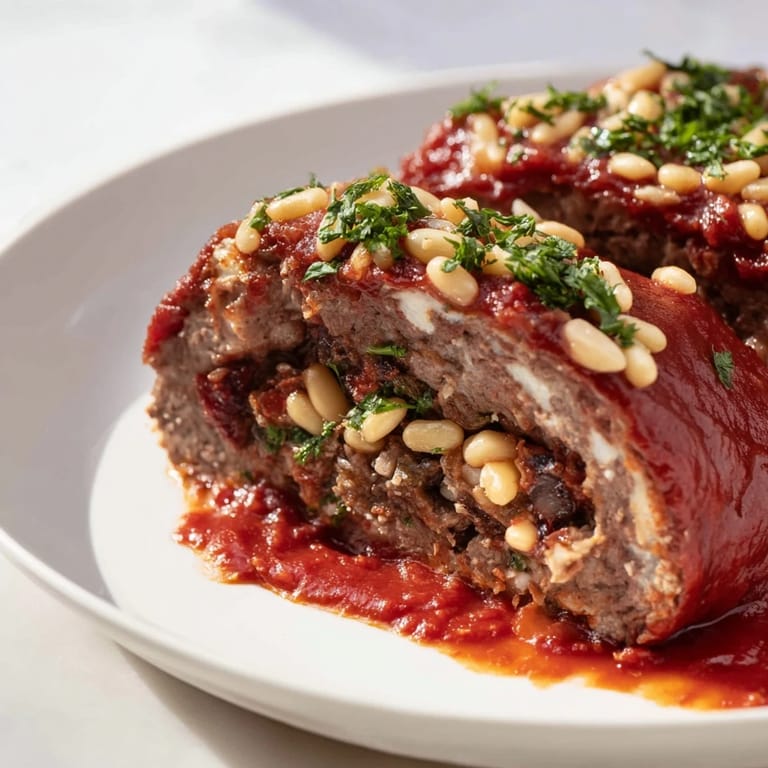
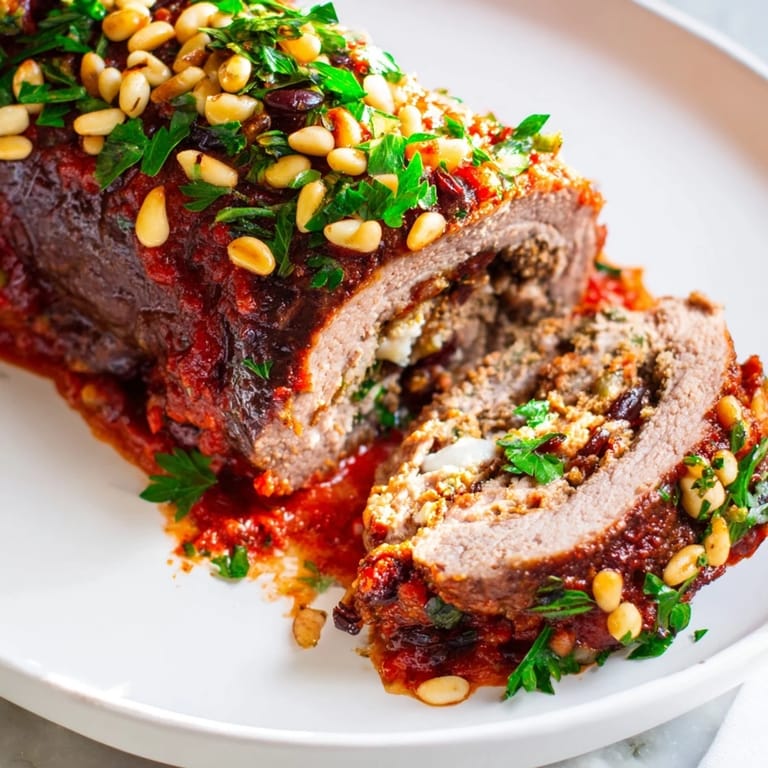
- Carefully remove the braciole from the sauce, snip off the twine or pull out the toothpicks, and slice each roll into thick rounds. Spoon the rich tomato sauce over the top and serve hot.
 Save
Save The first time I served this at a dinner party, someone asked for the recipe before they even finished their plate. I realized then that braciole is not just food, it is permission to slow down, to let something simmer while you sit and talk and pour another glass of wine. It turns a regular Tuesday into an occasion, and that is a kind of magic we all need more of.
What to Serve with Braciole
The sauce is too good to waste, so I almost always make pasta to go with it—rigatoni or penne, something with ridges that catch every bit of that tomato goodness. Polenta is another favorite, creamy and soft, perfect for soaking up the sauce when you are too full for more carbs but cannot stop eating. A simple arugula salad with lemon and shaved Parmesan cuts through the richness, and crusty bread is non-negotiable for mopping up your plate at the end.
How to Store and Reheat Leftovers
Let the braciole cool completely, then store the sliced rolls in an airtight container with plenty of sauce spooned over them so they do not dry out. They will keep in the fridge for up to three days, and honestly, they taste even better the next day when the flavors have had time to marry. Reheat gently on the stovetop over low heat, adding a splash of water or broth if the sauce has thickened too much, and resist the urge to microwave because it can make the beef rubbery.
Make It Your Own
Maria used to add chopped hard-boiled egg to her filling, which sounds strange until you try it and realize it adds a creamy richness that makes every bite more interesting. Some Sicilian cooks tuck in a slice of prosciutto or even a little chunk of mozzarella, and I have seen versions with chopped olives for extra brininess. Play around with the filling once you have made it the traditional way, because that is how recipes become yours instead of just something you followed from a page.
- Try swapping pecorino for aged provolone if you want a milder, creamier bite.
- Add a pinch of red pepper flakes to the sauce if you like a little heat threading through the sweetness.
- Use pork tenderloin instead of beef for a more delicate, slightly sweeter version that is just as satisfying.
 Save
Save There is something deeply satisfying about pulling a pot of braciole off the stove and knowing you made something that takes time and care, the kind of dish that fills the house and fills people up in more ways than one. I hope it becomes one of those recipes you make again and again, tweaking and perfecting until it feels like yours.
Recipe FAQs
- → What cut of beef works best for braciole?
Thin cuts of beef top round or flank steak work excellently. These cuts are tender when pounded thin and cook evenly during simmering. Pound them to about 1/4-inch thickness before filling and rolling.
- → Can I make braciole ahead of time?
Yes, you can assemble the rolls several hours ahead and refrigerate until ready to cook. The assembled braciole can also be frozen for up to 3 months. Thaw in the refrigerator before searing and simmering in sauce.
- → What are good side dishes to serve with braciole?
Serve braciole alongside pasta, creamy polenta, or crusty bread to absorb the rich tomato sauce. A fresh green salad or roasted vegetables also complement the dish well without overwhelming its savory flavors.
- → How do I prevent the filling from falling out during cooking?
Roll the braciole tightly, tucking in the sides as you go, then secure with kitchen twine or toothpicks. Sear on all sides to seal the exterior before simmering. This helps keep the filling intact during the long cooking process.
- → What wine pairs well with this dish?
A robust Sicilian red wine like Nero d'Avola is the traditional pairing. You can also use this wine in the sauce itself for authentic flavor. Alternatively, try Barbera or Chianti for similar deep, earthy characteristics.
- → Can I add additional ingredients to the filling?
Absolutely. Chopped hard-boiled egg or prosciutto add delicious depth to the filling. Some cooks include caciocavallo cheese or anchovies for extra umami flavor that's true to Sicilian tradition.