 Save
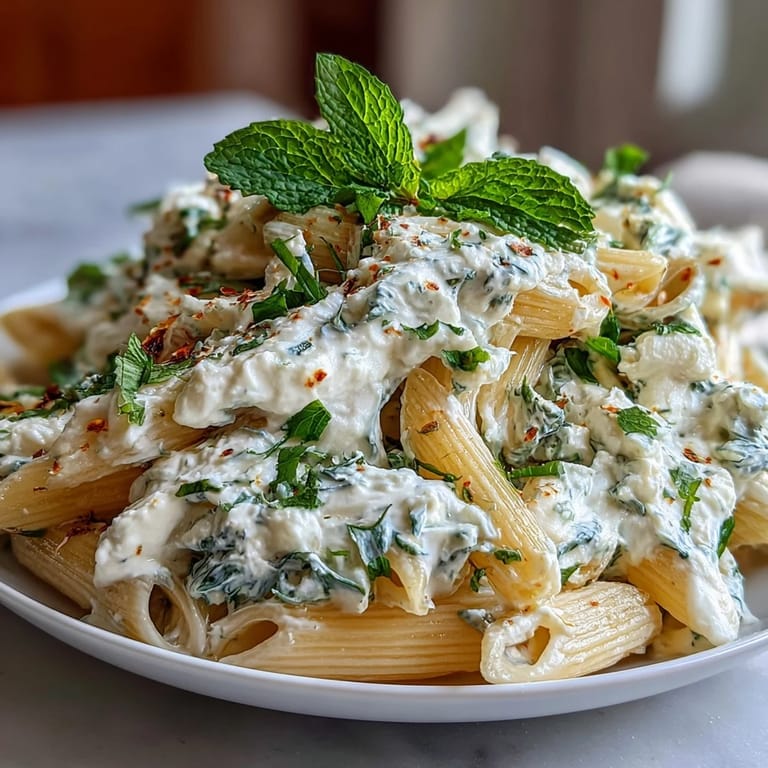
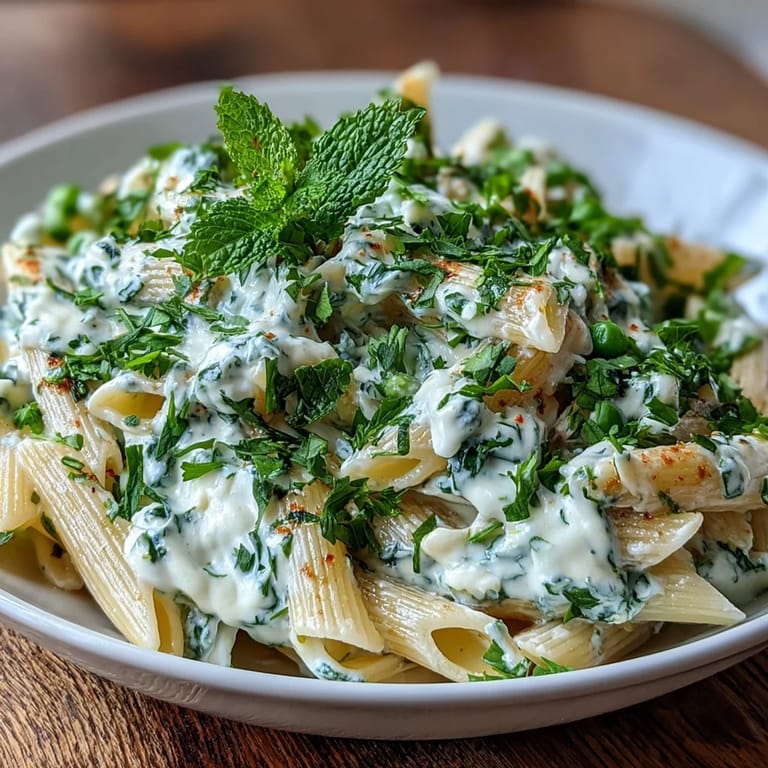
Save There's a particular Wednesday afternoon I won't forget—my neighbor knocked on the door with a basket of just-picked peas from her garden, and I had maybe twenty minutes before guests arrived. I'd never made pasta with ricotta before, but something about those bright green pods felt like an invitation to improvise. What emerged from that kitchen scramble became the dish I now make every spring without hesitation, a conversation between creamy and fresh that somehow tastes both effortless and special.
I made this for a potluck once where someone mentioned they were exhausted from traveling, and watching their face light up at that first bite reminded me why simple food cooked with intention matters. The plate came back empty, and they asked for the recipe before dessert was even served.
Ingredients
- Short pasta (penne, fusilli, or orecchiette): 350 g—the shape matters here because those little pockets catch the ricotta and pea mixture, so avoid long pasta.
- Fresh or frozen peas: 250 g—frozen actually work beautifully and cook to the perfect tender-bright texture, so don't feel obligated to hunt for fresh.
- Garlic: 2 cloves, finely chopped—this is your flavor foundation, so don't skip it even though the ingredient list is short.
- Lemon zest: From 1 unwaxed lemon—the zest brightens everything without adding acidity, which is why it's essential here.
- Ricotta cheese: 250 g—good quality matters because it's the star, not a supporting ingredient; taste it before you buy if you can.
- Grated Parmesan cheese: 50 g plus extra for serving—freshly grated makes a real difference in how it melts into the sauce.
- Fresh mint: About 15 g from a small bunch, finely chopped—tear it by hand at the end rather than chopping too early so it stays vibrant.
- Extra-virgin olive oil: 2 tbsp—use something you actually like tasting, because it's not cooking down into anything.
- Salt and black pepper: To taste—freshly ground pepper is non-negotiable here.
Tired of Takeout? 🥡
Get 10 meals you can make faster than delivery arrives. Seriously.
One email. No spam. Unsubscribe anytime.
Instructions
- Get your water boiling and pasta going:
- Fill a large pot with salted water—it should taste like the sea—and bring it to a rolling boil. Add your pasta and set a timer for whatever the box says, but start tasting a minute or two before it's done because the difference between al dente and mushy is real and heartbreaking.
- Toast the garlic gently:
- While the pasta cooks, warm your olive oil in a large pan over medium heat until it's fragrant but not smoking. Add the chopped garlic and let it sit there for about a minute, just until the kitchen starts to smell like something good is happening.
- Add the peas and let them brighten:
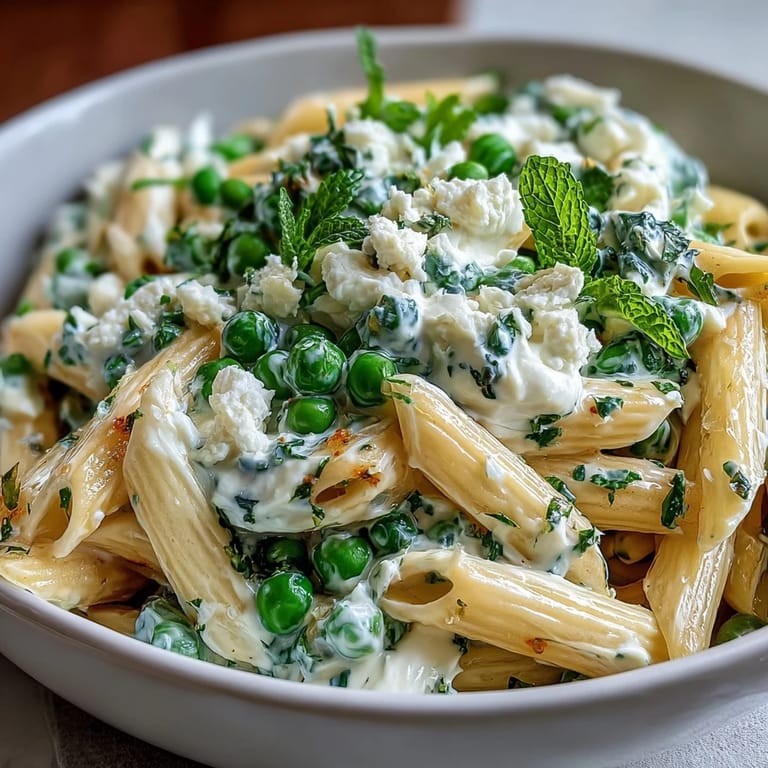
- Toss in the peas and give them 2 to 3 minutes on medium heat, stirring occasionally—you're looking for them to turn that vivid green and become tender. If you're using frozen peas, add another minute or so because they need a little extra time to warm through.
- Combine pasta and peas:
- Before you drain the pasta, reserve a cup of that starchy cooking water—you'll need it in a moment. Drain the pasta and transfer it directly to the pan with the peas, tossing everything together so the pasta soaks up all that garlicky oil.
- Create the creamy finish off heat:
- Pull the pan off the heat, then add the ricotta, lemon zest, Parmesan, and half of your fresh mint. Start stirring gently, adding pasta water a little at a time until you have a creamy sauce that clings to each piece of pasta—not a soup, not dry, but something in between.
- Taste, season, and serve:
- This is where you become the cook instead of following directions: taste it, add salt if it needs it, crack fresh pepper all over, then divide into bowls. Finish with the remaining mint and a shower of extra Parmesan, and serve immediately while everything is still warm.
 Save
Save My daughter came home from school one day and smelled this cooking, and instead of heading straight to her room like usual, she sat at the counter asking questions about where the peas came from and whether mint grew in our garden. Food that makes people pause and notice—that's when you know you're doing something right.
Spring Flavors That Actually Work Together
The secret to this dish is that every ingredient plays a role without fighting for attention. The mint doesn't overpower the peas because they belong together—it's how they grow in gardens, after all—and the lemon zest doesn't make anything sour because you're using just the fragrant oil from the skin. The ricotta softens and spreads instead of disappearing, and the Parmesan adds a salty note that ties everything back to the pasta. It's not complicated, but it's deliberately constructed so that nothing gets lost and nothing gets too loud.
Making It Your Own
Once you understand how this works, you'll start seeing variations everywhere. I've made it with fresh fava beans instead of peas on a day when that's what I found at the market, and I've stirred in handfuls of baby arugula for a peppery edge. Someone added toasted pine nuts and told me it changed everything, and they were right. The foundation is strong enough to hold whatever you want to add, which is why I keep coming back to this recipe—it's flexible without becoming a different dish.
Timing and Temperature Matter
This entire dish takes 25 minutes from start to finish, which means you're working without a safety net and that's actually a good thing. There's no time to overthink it, no slow braising where mistakes have hours to compound. The peas cook quickly, the pasta cooks while you're handling the peas, and the ricotta needs only warmth from the pasta and the residual heat of the pan—none of this benefits from being premature or rushed, but none of it rewards you for dawdling either.
- Have everything prepped and within arm's reach before the water goes on to boil.
- Keep the pasta water close because you might need it immediately and there's no time to hunt for a measuring cup.
- Taste the pasta a minute or two before the package instructions suggest—better to undercook slightly than oversaturate the final dish.
 Save
Save This is the kind of recipe that teaches you something about cooking if you pay attention—not through complexity, but through doing one simple thing really well. Make it when you want to remember why you like being in the kitchen.
Recipe FAQs
- → Can I use frozen peas for this dish?
Yes, frozen peas work well. Cook them a little longer until bright and tender before combining.
- → What pasta shapes are best suited here?
Short pasta like penne, fusilli, or orecchiette holds the sauce nicely and complements the peas and ricotta.
- → How do I make the sauce creamy without cream?
The ricotta combined with reserved pasta water creates a naturally creamy texture without adding heavy cream.
- → Can I substitute mint with other herbs?
Fresh herbs like basil or parsley can be used, but mint provides a signature fresh brightness to the dish.
- → Is there a way to add extra texture?
Toasted pine nuts or baby spinach added with the peas add crunch and freshness respectively.