 Save
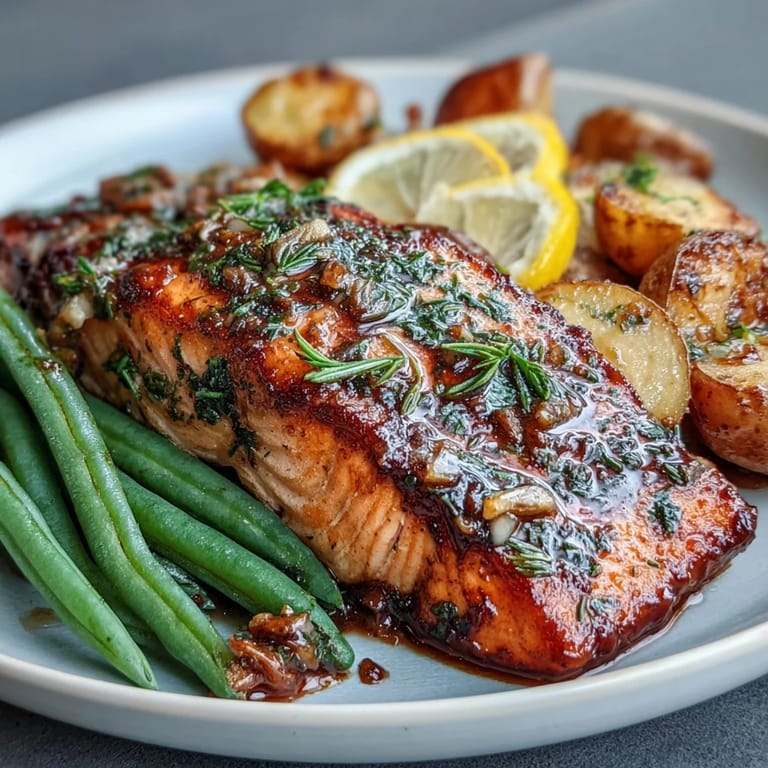
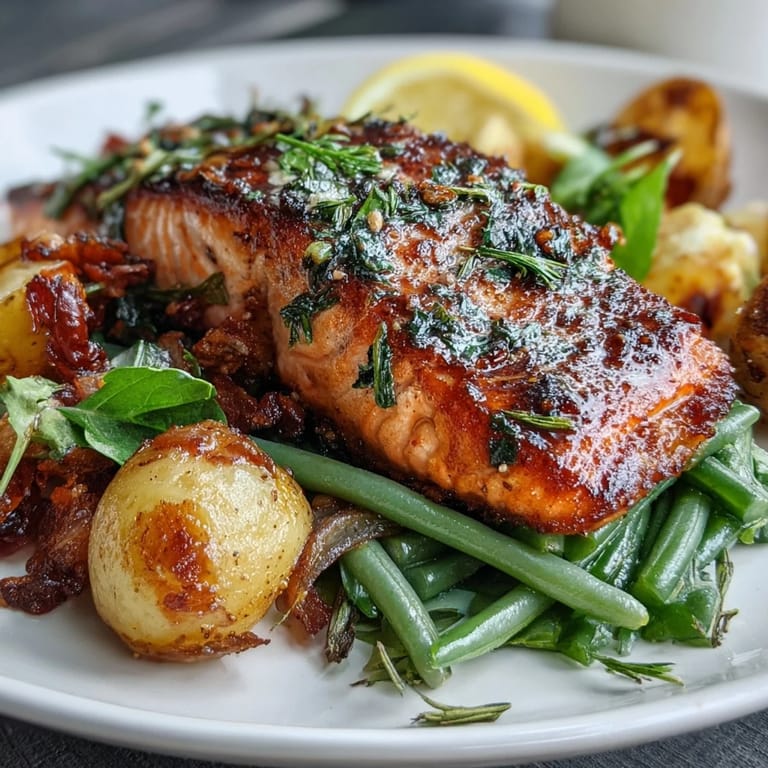
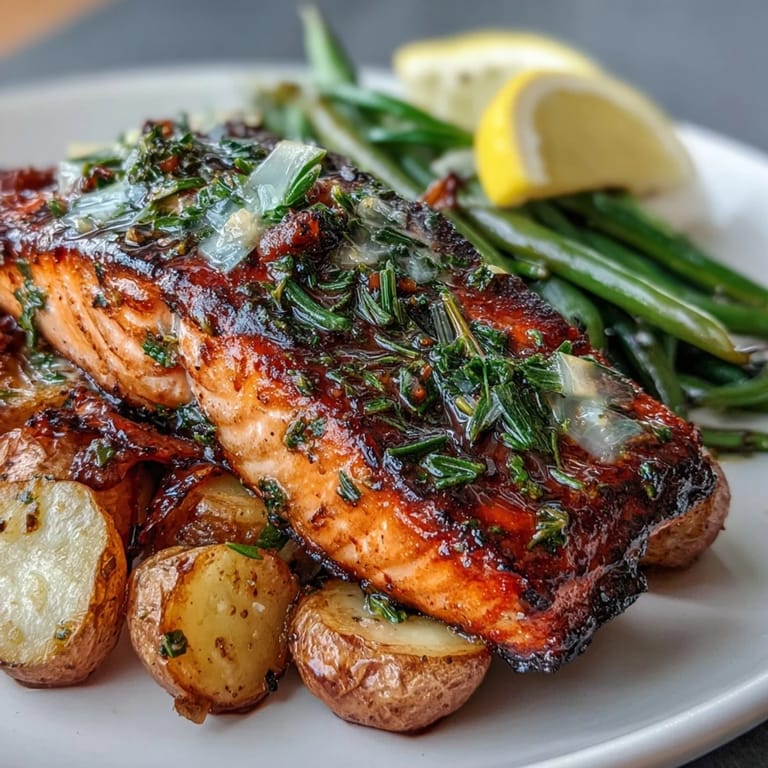
Save There's something magical about throwing everything onto one pan and walking away while the oven does the work. I discovered this sheet pan salmon on a Tuesday evening when I was too tired to think about cooking but refused to order takeout again, and somehow that happy accident became the dinner I now make when I want to feel like I've actually taken care of myself. The salmon emerges flaky and buttery, the potatoes caramelize at the edges, and the green beans stay just crisp enough to make you feel like you're eating something real and alive.
I made this for my mom on a Saturday when she mentioned offhandedly that she was trying to eat better, and watching her take that first bite—the way her eyes lit up because it actually tasted good and didn't feel like deprivation—made me realize that healthy food doesn't have to taste apologetic. Now it's become the dish I reach for when I want to cook for someone I care about without the stress.
Ingredients
- Salmon fillets (4, about 6 oz each): The star of the show, and honestly, skin-on cooks more forgivingly than skinless, so don't be intimidated by that golden skin.
- Baby potatoes (1 lb, halved): These little guys roast faster than regular potatoes and get these crispy, almost caramelized edges that are dangerously good.
- Fresh green beans (12 oz, trimmed): Added partway through so they stay tender but still have a little snap—the timing matters here, trust the process.
- Olive oil (3 tbsp): This isn't the place to skimp; good oil lifts everything and makes the flavors sing.
- Fresh lemon juice (2 tbsp): Use a real lemon, not the bottled stuff, because the difference is immediate and your taste buds will know.
- Dijon mustard (2 tsp): A small amount creates this subtle depth that makes people ask what the secret ingredient is.
- Garlic (2 cloves, minced): Raw garlic scattered through the marinade becomes mellow and sweet as it roasts.
- Oregano and thyme (1 tsp each, dried): Dried herbs are your friend here since fresh ones can burn, and these two together feel like a warm Mediterranean hug.
- Salt and pepper (½ tsp each, plus more to taste): Season as you go, because the vegetables release water as they cook and you may want to adjust at the end.
- Lemon slices and fresh parsley (optional garnish): The parsley at the end adds color and a fresh brightness that makes it look like you actually care about presentation.
Tired of Takeout? 🥡
Get 10 meals you can make faster than delivery arrives. Seriously.
One email. No spam. Unsubscribe anytime.
Instructions
- Get your oven ready:
- Preheat to 425°F and line your sheet pan with parchment paper or foil—this is the one step that saves you from scrubbing later, and future you will be grateful.
- Build your marinade:
- Whisk together the oil, lemon juice, mustard, garlic, oregano, thyme, salt, and pepper in a large bowl until it looks glossy and smells like something you'd want to eat. This is where the magic starts.
- Roast the potatoes first:
- Toss the halved potatoes in that marinade, spread them on the sheet pan in one layer, and let them have the oven to themselves for 12 minutes. They need this head start because they take longer than everything else.
- Prep the rest while waiting:
- Toss the green beans in whatever marinade is left in the bowl, and get your salmon ready—you're about to layer it all together.
- Bring it together:
- After 12 minutes, pull out the hot pan, push those potatoes to one side, and add the green beans and salmon in the cleared space. Brush the salmon with any remaining marinade and top with lemon slices if you're feeling it, then back into the oven it goes.
- The final roast:
- Let everything cook together for 13–15 minutes until the salmon is opaque and flakes easily when you touch it with a fork, the potatoes are fork-tender, and the green beans have a little color. An instant-read thermometer reading 145°F in the thickest part of the salmon is your signal that you're done.
- Finish with freshness:
- Pull it out, scatter that parsley over everything, and take a second to appreciate how good this looks before serving it while it's still warm.
 Save
Save I had a moment last spring where my partner came home in a terrible mood, walked into the kitchen while this was roasting, and just stood there breathing in that lemon-herb smell for like thirty seconds before saying anything. Sometimes food does more than feed your body—it quietly reminds you that someone cares, or that you care about yourself, and that matters more than any recipe could say.
Why Sheet Pan Dinners Changed My Life
Before I committed to sheet pan cooking, I'd spend an hour prepping multiple dishes, managing different cooking times, and cleaning what felt like every pot in my kitchen. Sheet pan salmon taught me that simplicity isn't lazy—it's honest, and there's something deeply satisfying about putting one thing in the oven and trusting it to work. Now I find myself reaching for my sheet pan even when I have more time, because I genuinely prefer the calm of it.
The Secret to Perfectly Roasted Vegetables
The trick no one tells you is that vegetables roast differently depending on how you arrange them—crowding them steams them, spacing them out lets them caramelize. With this salmon dinner, the potatoes need more room than the green beans, so that staggered addition isn't just about timing, it's about respecting each ingredient's need for space and heat. This one adjustment made my roasted vegetables actually taste like something instead of just tasting soft.
Make It Your Own
Once you understand how this dish works, it becomes a foundation rather than a rigid recipe. I've swapped green beans for asparagus when that's what looked good at the market, added smoked paprika when I wanted something deeper, and experimented with different herbs depending on my mood. The structure stays the same—the confidence to change it comes from understanding why each step matters.
- Swap the green beans for asparagus, broccoli, or even thin-sliced zucchini depending on what's in season or what sounds good.
- A pinch of smoked paprika or red chili flakes in the marinade adds complexity without overwhelming the delicate salmon.
- If you find yourself with leftover salmon and vegetables, they're incredible cold the next day on a salad or tossed with a quick vinaigrette.
 Save
Save This dish has become my answer when someone says they want to cook more but don't know where to start. It's proof that eating well doesn't require complexity, just intention and maybe one good sheet pan.
Recipe FAQs
- → What temperature is best for roasting salmon and vegetables?
Roast at 425°F (220°C) to achieve tender potatoes and crisp green beans alongside perfectly cooked salmon.
- → Can I substitute other vegetables for green beans?
Yes, asparagus or broccoli can be used as alternatives to green beans for similar texture and flavor.
- → How can I add extra flavor to this dish?
Try adding smoked paprika or chili flakes to the marinade for a smoky or spicy kick.
- → Is it necessary to skin the salmon fillets?
Skin-on fillets help hold the salmon together during cooking and add extra flavor but you can use skinless if preferred.
- → What kind of herbs are used in the marinade?
Dried oregano and thyme bring aromatic depth alongside garlic and lemon in the marinade.
- → Are there any allergen considerations?
This dish contains fish and mustard; always check ingredients to avoid cross-contamination.