 Save
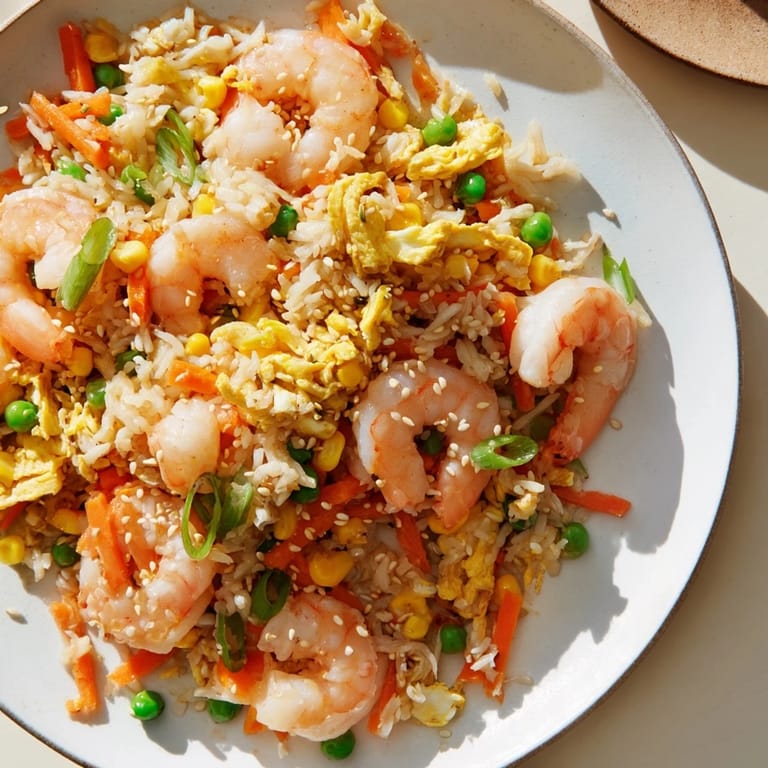
Save I discovered this shrimp fried rice hack on a Tuesday night when my roommate came home hungry and impatient. We had leftover jasmine rice in the fridge and a bag of frozen shrimp, and somehow in twenty minutes flat, we had this vibrant, steaming bowl that tasted like we'd been cooking all day. The smell of sesame oil hitting the hot pan is what got me hooked—that deep, nutty aroma that fills the entire kitchen. Now whenever I'm tired after work but crave something impressive, this is my answer.
I made this for my sister when she was stressed about her new job, and watching her face light up over something so simple but so good reminded me that the best recipes are the ones that show someone you care without making a fuss about it. She's asked me to teach her how to make it, and I realized I never follow a recipe myself—I just listen for the sizzle and trust my instincts. That's when I knew this needed to be written down.
Ingredients
- Medium shrimp, peeled and deveined (200 g): They cook in minutes, so don't use tiny popcorn shrimp or massive jumbo ones—medium is the sweet spot for staying tender.
- Large eggs (2): They scramble into silky ribbons that bind everything together, so don't skip them even if you're vegan—use tofu instead.
- Frozen mixed vegetables (100 g): Don't thaw these beforehand; they add moisture and cook unevenly if you do, plus they go from icy to perfect in about sixty seconds.
- Scallions, sliced (2): Half goes in at the end for brightness, and the mild onion flavor is essential, not optional.
- Cooked jasmine rice, chilled (300 g): Day-old rice is absolutely crucial—fresh, warm rice will turn mushy and clumpy no matter what you do.
- Soy sauce (2 tbsp): This is your backbone flavor, so use something you actually like drinking straight from the spoon.
- Oyster sauce (1 tbsp, optional): It deepens the savory notes in ways soy sauce alone cannot, so I nearly always use it.
- Sesame oil (1 tsp): A little goes a long way—drizzle it at the end to keep its fragrance alive and toasted.
- Ground white pepper (1/2 tsp): It brings a warmth that black pepper can't match, though black pepper works in a pinch.
- Vegetable oil (1 tbsp): High heat demands a neutral oil, so skip the olive oil unless you enjoy burnt, bitter notes.
Tired of Takeout? 🥡
Get 10 meals you can make faster than delivery arrives. Seriously.
One email. No spam. Unsubscribe anytime.
Instructions
- Heat your pan until it's almost smoking:
- Get that vegetable oil shimmering over medium-high heat in your largest nonstick skillet or wok. You'll know it's ready when the surface looks alive and wavy.
- Cook the shrimp until they just turn pink:
- Add them to the hot oil and let them sit for a moment before stirring—you want a quick sear, not gray rubbery coins. Two to three minutes and they're done; don't linger or they'll toughen up.
- Scramble the eggs in the same pan:
- Pour in beaten eggs and scramble quickly with a spatula until they're just barely set with a little softness still visible. Push them to one side of the pan to make room for the next ingredient.
- Add the frozen vegetables for a minute:
- They need just enough time to warm through and thaw slightly, keeping their snap and color.
- Break up the cold rice and stir-fry it:
- Add all the rice at once and use your spatula to break apart any clumps, scraping the bottom of the pan where rice loves to stick. Keep stirring for about two minutes until every grain is separated and heated through.
- Return the shrimp and add all the sauces:
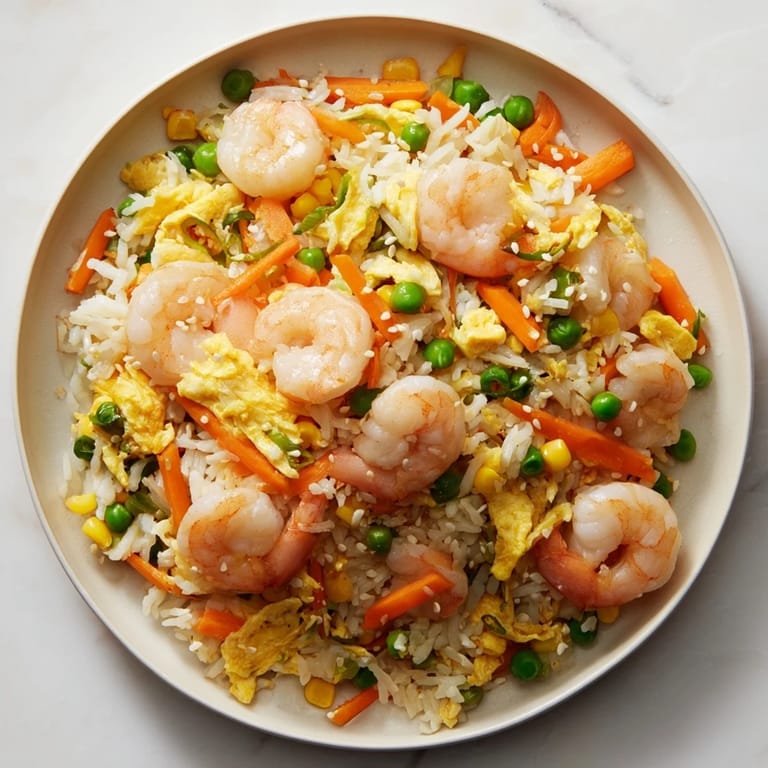
- Toss the shrimp back in with the soy sauce, oyster sauce, sesame oil, and white pepper all at once. The heat will distribute everything evenly if you keep moving the rice around with intention.
- Finish with scallions and a taste:
- Stir in the fresh sliced scallions for the last minute, then pause and taste. Adjust with a splash more soy sauce or white pepper if something feels missing.
 Save
Save My neighbor brought over a bottle of wine one evening and we made this together while catching up, and she said it was the kind of meal that makes a regular weeknight feel special. That's what stuck with me—not that it's fancy, but that it tastes like effort and care even when you spent barely any time.
The Secret to Perfect Texture
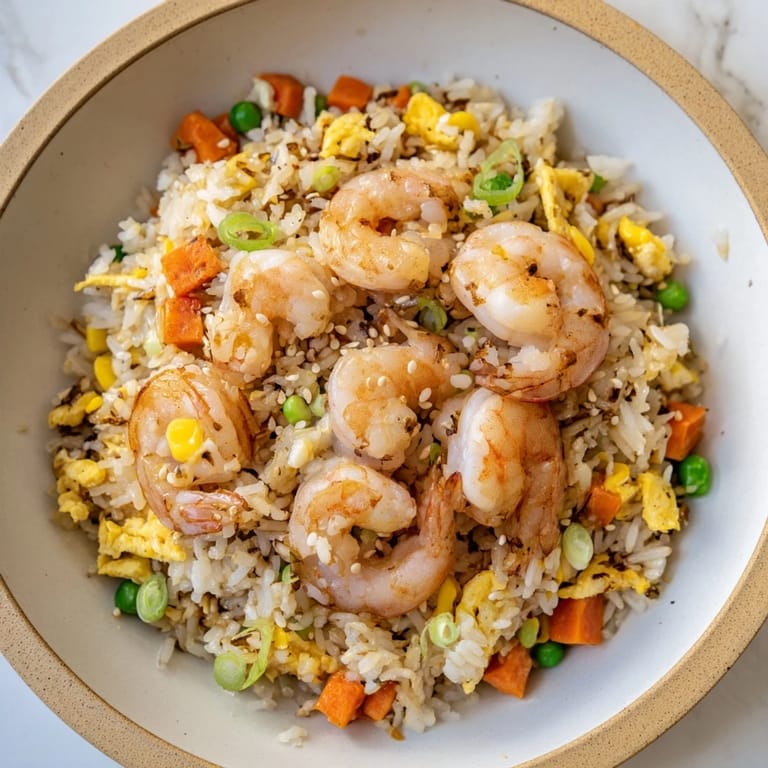
The real magic happens because you're not boiling or steaming anything—you're letting high heat create tiny moments of browning on the rice grains and the bottom of the pan. That's where the flavor deepens. I learned this by accident once when I got distracted and didn't stir for longer than I should have, and the crispy bits that formed were absolutely incredible. Now I do it on purpose, letting the rice sit against the hot pan for ten to fifteen seconds at a time before stirring, building layers of flavor that a gentle slow-cook never would.
Why Day-Old Rice Changes Everything
Fresh rice has too much moisture trapped inside, and when you heat it in a hot pan, that steam has nowhere to go. It softens the rice instead of letting each grain stay distinct and cookable. I used to think I was doing something wrong with my technique until my dad, who grew up eating fried rice constantly, explained that restaurants always use day-old rice kept in the fridge. The cold temperature and time allow the grains to firm up and separate naturally, making them almost impossible to turn to mush even if you cook them hard.
Building Your Own Flavor Layers
What I love about this recipe is how adaptable it is once you understand the structure. The soy sauce is your base savory note, oyster sauce adds depth, sesame oil brings fragrance, and white pepper adds warmth. Once you feel confident with those, you can experiment. I've added a splash of chili sauce for heat, or a bit of ginger juice for brightness, and the whole thing stays balanced because the bones are solid.
- Swap the shrimp for chicken thighs, or go fully vegetarian with extra vegetables and tofu if you want.
- Taste before you serve, and trust your palate—some soy sauces are saltier than others, so adjust accordingly.
- Make this in bulk if you have leftover rice, because cold fried rice is somehow better than hot fried rice the next morning.
 Save
Save This recipe has become my weeknight salvation, the thing I turn to when I need to feed myself or someone else something delicious and quick. It reminds me that the best meals aren't always the ones that take hours or follow complicated steps—they're the ones you make with intention, even if it's only for twenty minutes.
Recipe FAQs
- → What type of rice works best for this dish?
Day-old cooked jasmine rice is ideal as it prevents clumping and absorbs flavors better during stir-frying.
- → Can I substitute the shrimp with another protein?
Yes, chicken, tofu, or plant-based alternatives work well for variation and dietary preferences.
- → How do I avoid soggy vegetables in this dish?
Use frozen mixed vegetables and cook them briefly just to warm through, maintaining the desired texture.
- → What is the purpose of sesame oil here?
Sesame oil adds a distinctive nutty aroma and depth, enhancing the overall flavor profile.
- → Is oyster sauce necessary in the seasoning?
Oyster sauce is optional but adds a savory richness; it can be omitted or replaced with soy sauce to suit dietary needs.