 Save
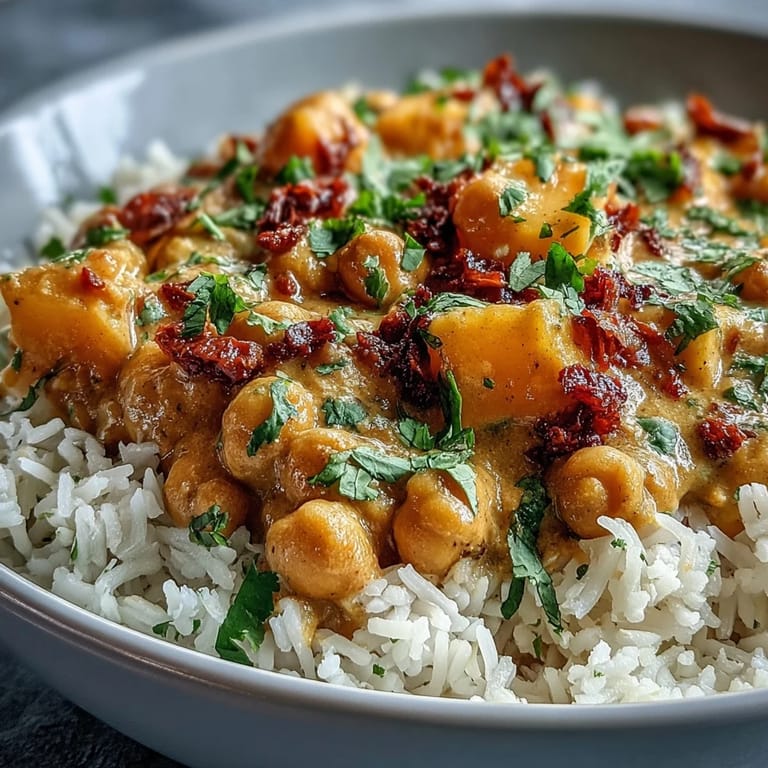
Save My friend texted me at 4:47 PM on a Tuesday asking what was for dinner, and I realized I had twenty minutes before she arrived. The mango on my counter was perfectly ripe, almost too soft, and I had a can of coconut milk I'd been saving for exactly this kind of emergency. What came together was this golden, fragrant curry that somehow tasted like it had been simmering for hours, not minutes. She walked in to that smell and immediately said yes to staying, and I knew I'd found something special.
There was a night when my partner was sick and couldn't decide what sounded good, and this curry was the only thing that didn't get turned down. The sweetness of the mango soothed something, the warmth of the spices felt medicinal, and somehow a twenty-minute meal became the kind of care that actually landed. Since then, I make it whenever someone needs comfort food that doesn't scream comfort food.
Ingredients
- Basmati or jasmine rice (1 cup): Basmati has a delicate flavor that won't compete with the curry, and jasmine adds a subtle floral note that plays beautifully with mango.
- Coconut oil (1 tbsp): This is your aromatic base and it won't burn at medium heat like lighter oils sometimes do.
- Onion (1 small, finely chopped): The foundation of flavor, and finely chopped means it melts into the curry rather than staying chunky.
- Garlic and ginger (2 cloves and 1-inch piece): Fresh is non-negotiable here because they're going in raw basically, and frozen or jarred versions taste metallic by comparison.
- Red bell pepper (1, diced): The brightness of red pepper adds color and a subtle sweetness that echoes the mango without duplicating it.
- Ripe mango (1.5 cups, diced): Frozen works if fresh isn't available, and the ripeness matters because underripe mango tastes bitter and grainy.
- Chickpeas (1 can, drained and rinsed): Draining and rinsing removes the starchy liquid that would cloud your sauce and dilute the flavors.
- Full-fat coconut milk (1 can): Light coconut milk makes the curry taste thin and watery, so stick with full-fat even though it sounds indulgent.
- Curry powder (2 tbsp): Mild or medium depending on your tolerance, and this is where most of the depth comes from so don't skimp or substitute.
- Ground turmeric (1/2 tsp): This adds earthiness and color, plus the golden-ness is just beautiful in the bowl.
- Salt, black pepper, lime juice, and maple syrup: The lime juice brightens everything at the end, while maple syrup (optional) balances the heat if the spices are stronger than you expected.
- Fresh cilantro (1/4 cup for garnish): This is the final flourish that makes it taste fresh and intentional rather than just hot.
Tired of Takeout? 🥡
Get 10 meals you can make faster than delivery arrives. Seriously.
One email. No spam. Unsubscribe anytime.
Instructions
- Start the rice first:
- Combine rice, water, and salt in your medium saucepan and bring it to a boil over high heat. Once it's boiling, reduce the heat to low, cover it, and let it do its thing for 12 to 15 minutes. You'll know it's ready when you can't see water pooling and the grains look tender and separate.
- Heat your oil and soften the onion:
- While the rice is cooking, place your large skillet over medium heat and add the coconut oil. Once it shimmers, add your finely chopped onion and let it cook for 2 to 3 minutes until it turns translucent and starts to smell sweet. This is the moment that grounds the entire curry.
- Build the aromatic layer:
- Add your minced garlic, grated ginger, and diced red bell pepper to the softened onion. Stir constantly for about 2 minutes so the garlic doesn't burn and everything releases its fragrance. The kitchen should smell almost spicy now, and that's exactly right.
- Bring in the mango and chickpeas:
- Pour in your diced mango, drained chickpeas, coconut milk, curry powder, turmeric, salt, and black pepper. Stir everything together so the spices distribute evenly and nothing sticks to the bottom. This is where the magic starts to look like magic.
- Simmer gently until the sauce thickens:
- Bring the curry to a gentle simmer over medium heat and let it bubble softly for 6 to 8 minutes, stirring occasionally. You're looking for the sauce to become silky rather than watery, and the flavors will deepen and meld together as it cooks.
- Finish with brightness:
- Stir in the lime juice and maple syrup if you're using it. Taste the curry and adjust salt, lime, or sweetness as needed because every mango and every palate is different.
- Plate and garnish:
- Fluff your rice with a fork and divide it among four bowls or plates. Ladle the curry over the rice and finish with a handful of fresh cilantro to add color and a fresh bite.
 Save
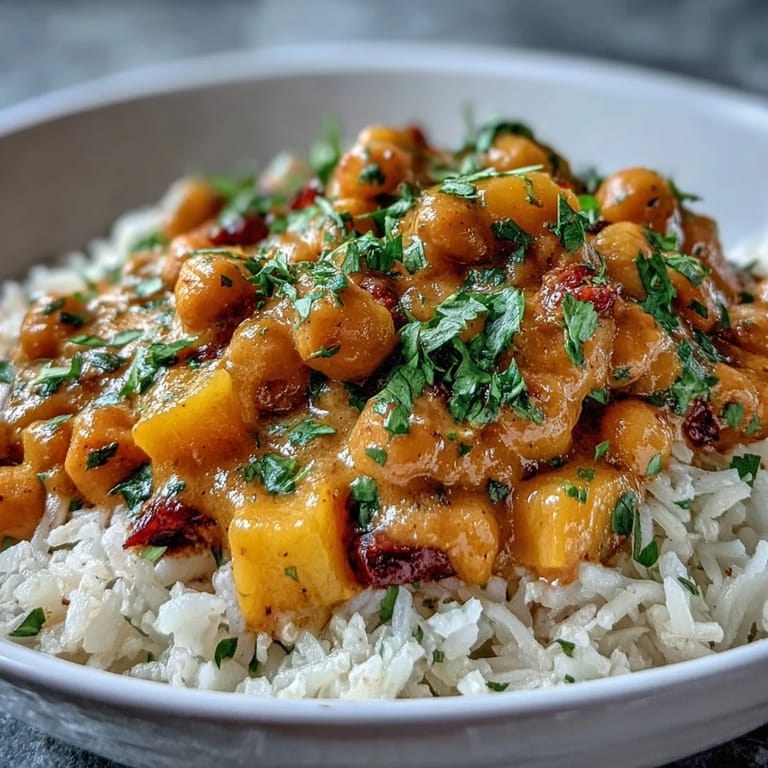
Save I made this curry once for a dinner party where someone mentioned they were vegetarian almost apologetically, and watching them eat seconds while everyone else ate seconds told me everything. This dish doesn't feel like you're cooking around a limitation, it feels like you're cooking something genuinely delicious that happens to be plant-based.
How to Customize This Curry
The skeleton of this recipe is flexible enough that you can make it your own. I've swapped the mango for fresh pineapple when someone wanted something tangier, and the curry shifted personality completely while staying just as good. You can add heat with cayenne pepper or a finely minced chili if your crowd likes spice, or dial it back with light coconut milk and a touch of extra maple syrup if someone prefers gentler flavors.
Serving and Pairing Ideas
Rice is the obvious partner, but I've spooned this curry over quinoa for a protein boost and it was equally good. Naan or warm flatbread turns this into something you can wrap and eat with your hands, which somehow makes it taste better. A side of sautéed greens or steamed bok choy keeps things light and balanced, especially if you're eating heavy.
Storage and Make-Ahead Tips
This curry actually tastes better the next day once the spices have settled into the coconut milk, so leftovers are secretly the best part. Store it in an airtight container in the fridge for up to four days, and if you want to freeze it, leave out the fresh cilantro and add it when you reheat. The rice doesn't freeze well, so make that fresh, but the curry itself does beautifully.
- Reheat gently over medium heat with a splash of water if the curry has thickened too much in the fridge.
- Make the curry sauce the night before and cook the rice fresh when you're ready to eat.
- Prep your ingredients (chop mango, ginger, garlic, onion) in the morning and you'll be eating dinner in ten minutes flat.
 Save
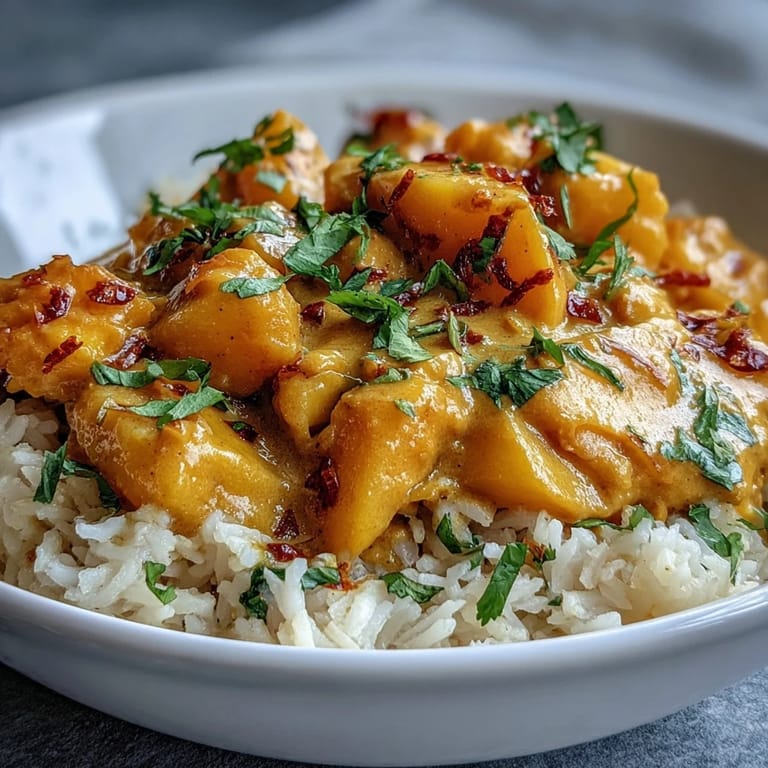
Save This is the curry I make when I want to cook something that feels sophisticated and special but can't spend much time in the kitchen. It's become my answer to the question of what to make when someone asks what I actually eat on busy nights.
Recipe FAQs
- → Can I use frozen mango instead of fresh?
Yes, frozen mango works perfectly in this curry. Thaw it before adding or toss it in frozen—just extend the simmering time by 1-2 minutes to ensure it heats through.
- → How can I make this curry spicier?
Add 1/4 teaspoon cayenne pepper or a finely chopped fresh chili when sautéing the onion. You can also use a medium or hot curry powder instead of mild.
- → Can I substitute the chickpeas?
Yes, white beans like cannellini or great northern beans work well. For extra protein, try cubed tofu or paneer. Adjust cooking time accordingly.
- → Will this curry freeze well?
Absolutely. Let it cool completely, then store in airtight containers for up to 3 months. Thaw overnight in the refrigerator and reheat gently on the stovetop.
- → What can I serve besides rice?
Try quinoa, cauliflower rice, or naan bread. Steamed greens like spinach or kale make excellent sides. The curry also pairs beautifully with roasted vegetables.