 Save
Save My uncle's kitchen on a Monday afternoon smelled like slow-simmering possibility—that moment when a ham bone destined for the trash becomes the backbone of something worth savoring. He'd pull out this exact recipe with the casual confidence of someone who'd made it a hundred times, tossing vegetables into the pot while telling stories about New Orleans relatives I'd never met. There's something almost ceremonial about Monday red beans in the South, a quiet tradition that turns leftovers into heirloom. That first spoonful changed how I thought about humble ingredients.
I made this for my roommate on a rainy Thursday when she'd had the kind of day that required comfort on a spoon. Watching her face soften with that first taste, the way she paused before asking for seconds—that's when I realized this soup does something beyond filling a stomach. It carries warmth forward.
Ingredients
- Smoked ham hock or leftover ham bone: This is your flavor foundation, lending a deep, savory backbone that stock alone can never deliver.
- Diced smoked ham: The smaller pieces dissolve slightly into the broth while keeping texture—buy quality stuff here, it makes a real difference.
- Dried red beans, soaked overnight and drained: Soaking isn't just convenience; it prevents the digestive heaviness and lets the beans actually absorb the flavors surrounding them.
- Yellow onion, green bell pepper, celery: This holy trinity is non-negotiable—they're what make the first five minutes smell like home cooking.
- Garlic: Three cloves minced, not sliced, so it melts into the background rather than announcing itself.
- Bay leaves: Two of them, though I've learned to fish them out before serving or someone will bite one and remember it forever.
- Chicken stock or water: Use stock if you want depth, water if you want the beans and ham to be the only voices in the room—both work.
- Dried thyme, smoked paprika, cayenne, oregano: These four create the Creole signature; don't skip the smoked paprika, that's where the magic happens.
- Black pepper, salt, white pepper, hot sauce: Layer these at the end, tasting as you go—every pot is different.
- Green onions and parsley for garnish: These bright additions cut through the richness like a final conversation before you leave the table.
Tired of Takeout? 🥡
Get 10 meals you can make faster than delivery arrives. Seriously.
One email. No spam. Unsubscribe anytime.
Instructions
- Build your aromatics base:
- Heat oil in a large pot over medium heat, then add onion, bell pepper, and celery. Let them cook for five to seven minutes until they're soft and the onion turns translucent—you're not looking for color here, just surrender.
- Wake up the garlic:
- Stir in your minced garlic and listen for that quick sizzle, then move forward immediately after about a minute so it doesn't turn bitter.
- Introduce the main players:
- Add drained beans, ham hock, diced ham, bay leaves, and all your seasonings at once. This is when the pot transforms from vegetable soup into something ancient and intentional.
- Add liquid and commit:
- Pour in your stock, bring everything to a rolling boil, then drop the heat low and cover partially. This partial cover is important—you want steam to escape while flavors concentrate.
- Let time do the work:
- Simmer for two hours, stirring occasionally, until the beans have lost their shape and the broth has turned creamy and brown. Around the one-hour mark, start checking bean tenderness by pressing one against the side of the pot.
- Recover the meat:
- Fish out the ham hock, shred any meat clinging to the bone, discard the bone itself, and return the meat to the pot. This moment of salvage always feels like rescue.
- Taste and adjust:
- Season to your preference—more salt, black pepper, a dash of hot sauce if you want it to whisper rather than shout.
- Serve with intention:
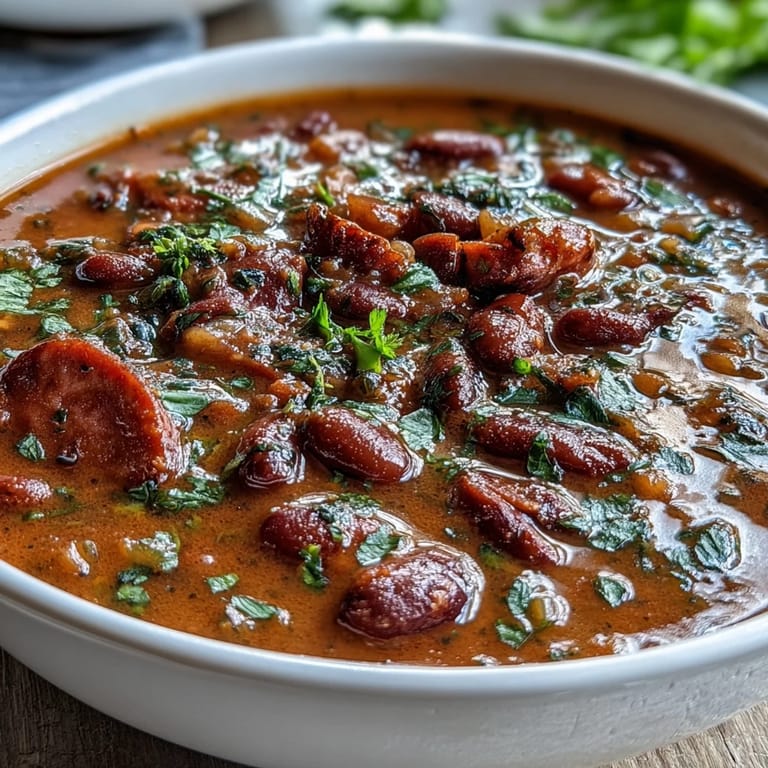
- Ladle into bowls over rice, then scatter green onions and parsley across the top like you're finishing a painting.
 Save
Save There's a moment, usually around hour ninety of cooking, when the whole apartment smells like you've inherited someone's grandmother's kitchen. That's when you know you've done it right.
The Creole Foundation
Smoked paprika is the quiet secret that separates this from generic bean soup. It carries smoke without heat, color without aggression, and it teaches you something about how spices can work behind the scenes. I once made this with regular paprika out of hurried laziness, and the soup was flat and apologetic. Never again.
Timing and Patience
Two hours feels long until you realize that's precisely the time required for dried beans to soften completely and for ham to surrender its essence to the broth. Every restaurant shortcut I've tried has resulted in beans that are still slightly firm and broth that tastes rushed. Slow is actually faster here—you're building something that tastes like it's been developing for days.
Making It Your Own
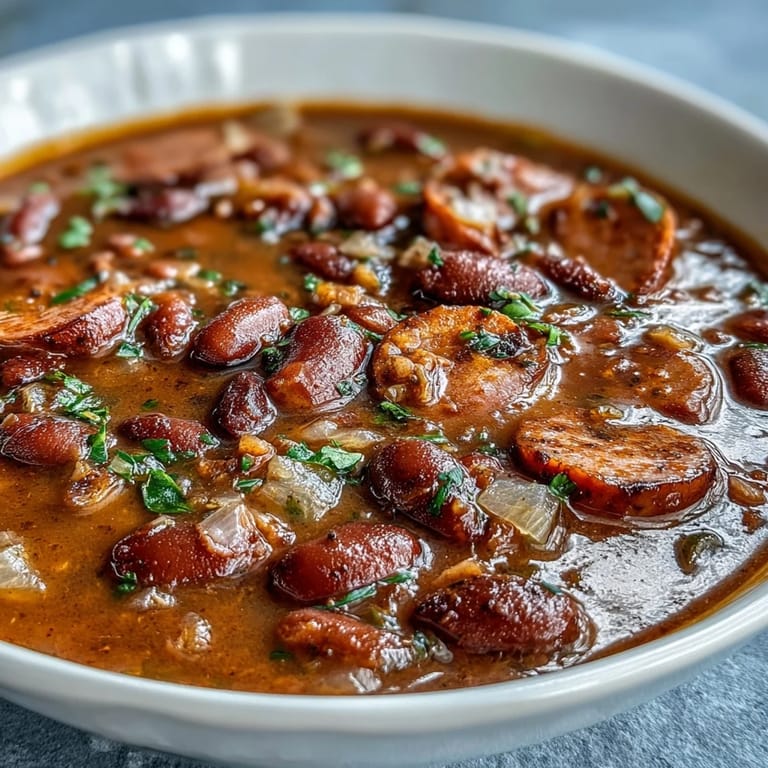
The template is solid, but your additions tell the story of your version. I've watched people add andouille sausage for smokiness, sliced jalapeños for heat, and even a splash of vinegar for brightness. One friend swears by a spoon of tomato paste added during the aromatics phase—it deepens everything without announcing itself.
- For a thicker soup that clings to the spoon, gently mash some beans against the side of the pot in the final minutes.
- Leftovers genuinely improve overnight as flavors marry and deepen, so make extra without hesitation.
- Cornbread or crusty French bread isn't optional—it's how you finish the experience properly.
 Save
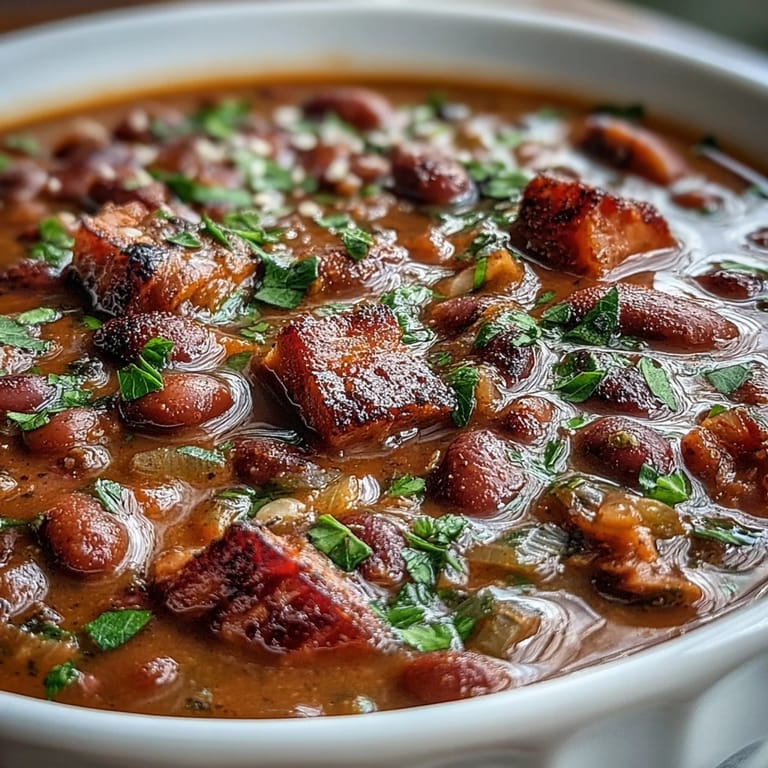
Save This soup is the kind you make when you want to feed people something that tastes like care. Serve it warm, serve it with intention, and watch what happens when comfort food arrives in a bowl.
Recipe FAQs
- → What is the best ham to use for this dish?
Smoked ham hock or leftover smoked ham works best, providing rich, smoky flavor that infuses the beans during slow cooking.
- → How long should the beans be soaked?
Soak dried red beans overnight to soften them, which helps reduce cooking time and ensures even texture.
- → Can I adjust the spiciness of the dish?
Yes, cayenne pepper and hot sauce amounts can be modified to control heat based on personal preference.
- → What are good garnish options?
Thinly sliced green onions and fresh parsley brighten the dish with fresh, herbal notes and visual appeal.
- → How can I thicken the soup?
Gently mash some of the cooked beans against the pot’s side before serving to create a thicker, creamier texture.
- → Is this dish gluten-free?
Yes, if prepared without bread accompaniments and with gluten-free stock, it suits gluten-free diets.