 Save
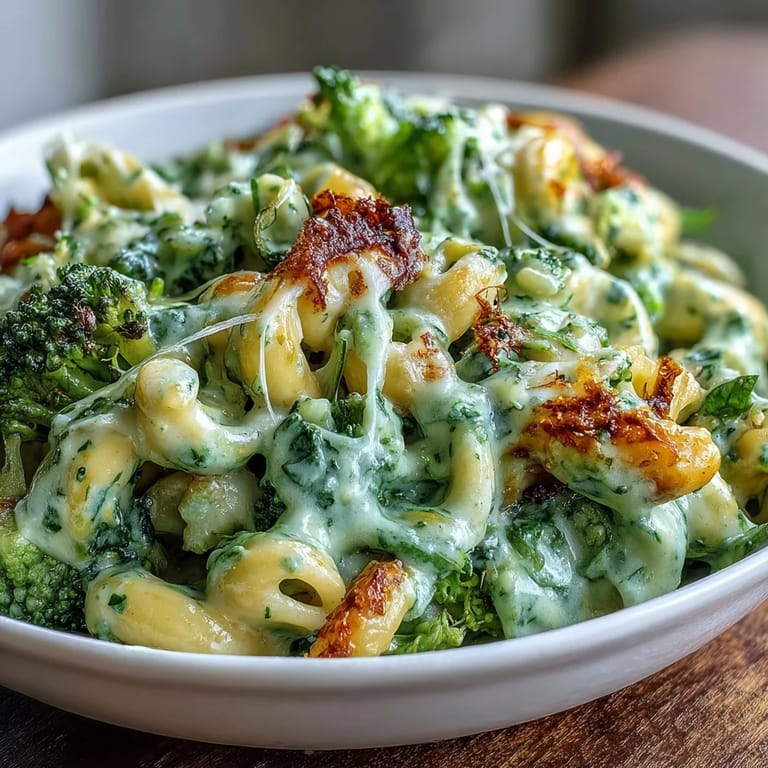
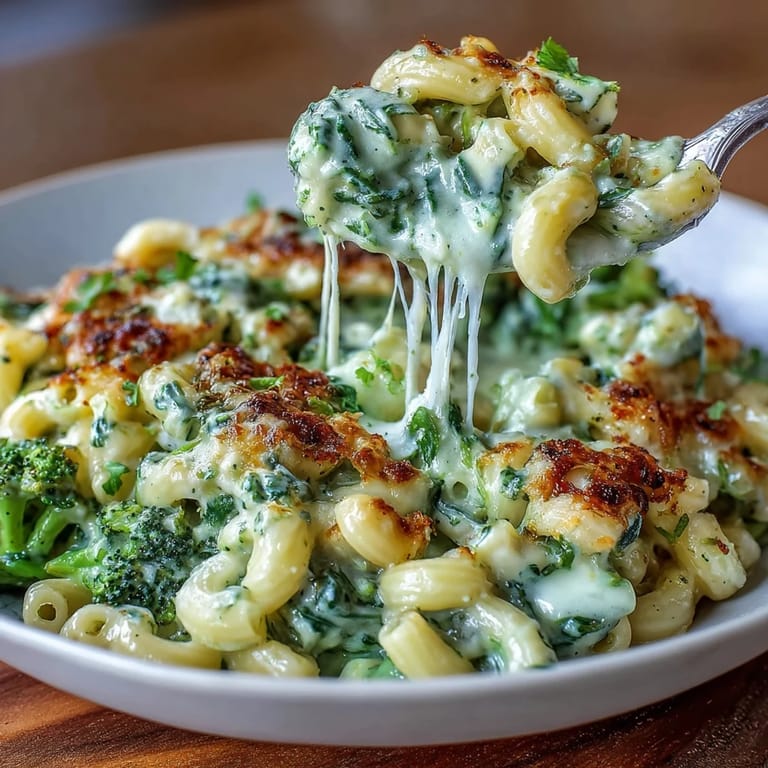
Save My daughter came home from school asking why her mac and cheese couldn't be green like the spinach she'd learned about in science class. That question led me to the kitchen on a rainy Tuesday, blender in hand, wondering if I could actually pull off something both vibrant and creamy. The result was this green mac and cheese, and watching her eyes light up when she realized the vegetables were hiding inside the sauce made every extra step worthwhile. Now it's become our weeknight secret weapon—comfort food that sneaks in nutrition without any of the fuss.
I tested this on my brother's family during a Sunday visit, and his usually picky eater asked for seconds. He kept saying it tasted like regular mac and cheese but somehow better, which is exactly the point—the greens enhance rather than compete. That's when I knew this recipe had staying power beyond just my kitchen.
Ingredients
- Elbow macaroni (340 g): Use a good quality pasta that holds sauce well; cheaper versions get mushy and don't have that satisfying bite.
- Fresh spinach (200 g): Packed spinach works fine if fresh isn't available, but squeeze out every drop of moisture or your sauce gets watery.
- Broccoli florets (200 g): Cut them small so they cook through with the pasta and distribute evenly throughout the dish.
- Onion (1 small): This builds the flavor foundation; don't skip it even though it disappears into the sauce.
- Garlic (2 cloves): Minced fine so it melts into the butter and adds depth without overpowering the cheese.
- Unsalted butter (2 tbsp): Use real butter here—it makes a difference in how the roux comes together.
- All-purpose flour (2 tbsp): This thickens the sauce; whisk it in gradually or you'll end up with lumps.
- Whole milk (500 ml): Full-fat milk creates the creamiest sauce; don't substitute with lower fat versions if you can help it.
- Sharp cheddar cheese (120 g): The sharp variety has more flavor, so you don't need as much to make an impact.
- Parmesan cheese (60 g): Grated fresh is worth the extra minute; pre-grated has anti-caking agents that affect the sauce texture.
- Mozzarella cheese (60 g): This adds stretch and creaminess; it's the secret to that luxurious mouthfeel.
- Salt and black pepper: Taste as you go because the cheeses add saltiness too.
- Ground nutmeg (⅛ tsp optional): Just a whisper of nutmeg in a cheese sauce is a classic French technique that elevates everything.
- Dijon mustard (1 tsp optional): A tiny amount brightens the cheese flavors without making anything taste mustard-y.
Tired of Takeout? 🥡
Get 10 meals you can make faster than delivery arrives. Seriously.
One email. No spam. Unsubscribe anytime.
Instructions
- Boil the pasta and broccoli together:
- Fill a large pot with salted water and bring it to a rolling boil—you want it really hot so the pasta cooks evenly. Add your macaroni and let it go for most of the cooking time, then in the last 2 minutes toss in those broccoli florets so everything finishes at the same time. Drain it all together and set it aside in a colander while you make the magic happen in the skillet.
- Wilt the spinach:
- While the pasta water is heating, grab a large skillet and add your fresh spinach over medium heat, stirring it around until it collapses into a dark, glossy pile—this takes about 2 minutes and fills your kitchen with that deep green smell. Transfer it straight to your blender and let it sit there while you build the sauce.
- Build your roux base:
- Melt the butter in that same skillet over medium heat, then add your finely chopped onion and let it soften and turn translucent, about 3-4 minutes. Once it's there, add the minced garlic and cook for just one more minute until it becomes fragrant—you'll know it's right when you can smell it without overpowering the pan.
- Make the cheese sauce:
- Sprinkle your flour over the onion mixture and stir it around for a full minute so the flour cooks out and loses that raw taste. Now comes the important part—gradually whisk in your milk while constantly stirring, pouring slowly to prevent lumps from forming. Let it simmer and bubble gently for 4-5 minutes, stirring frequently, until it thickens enough to coat the back of a spoon.
- Add the cheese and seasonings:
- Remove the skillet from heat and add all three cheeses, the salt, pepper, nutmeg if you're using it, and that Dijon mustard. Stir it until everything melts and you have a smooth, glossy sauce that smells absolutely incredible—this is the moment where you know it's going to work.
- Blend the spinach into sauce:
- Pour about half of your cheese sauce into the blender with that wilted spinach and blend until it's completely smooth and a bright, vibrant green. If it seems thick, add a splash more milk, but you want it pourable enough to mix back in.
- Combine everything:
- Pour that bright green spinach sauce back into the skillet and stir it gently into the remaining cheese sauce until you have an even, streaky green color throughout. Add your drained pasta and broccoli and toss it all together, coating every piece in that creamy sauce.
- Warm and serve:
- Heat everything together gently over low heat for a minute or two, just until it's warmed through and steaming. Divide it into bowls and top with fresh parsley and extra Parmesan if you're feeling fancy.
 Save
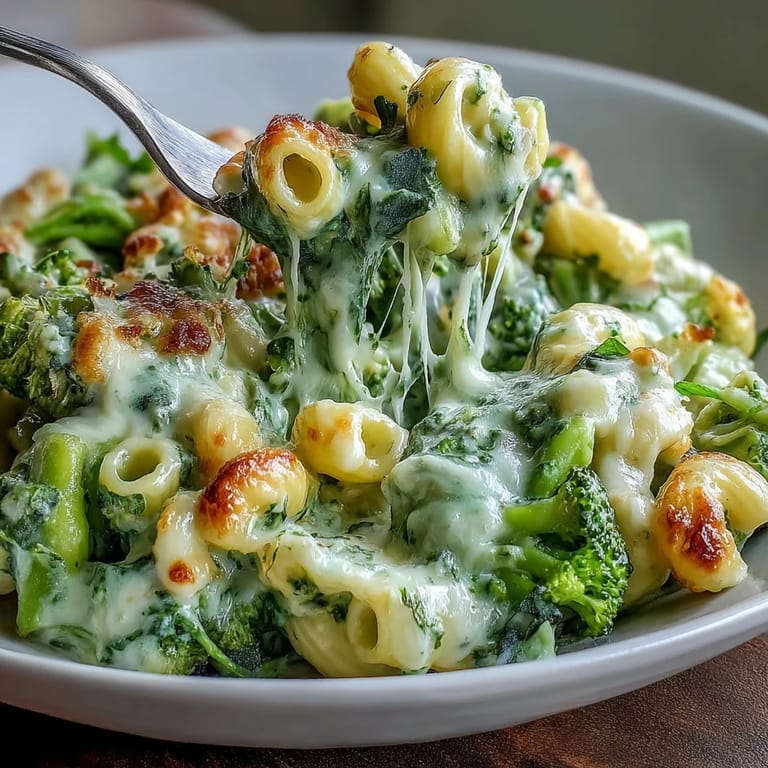
Save There's something magical about watching someone taste this for the first time and immediately reach for another spoonful, completely unaware they're eating their vegetables. That's when food becomes more than nutrition—it becomes a small victory, a moment of connection around the table.
Why Blending Works Here
Blending the spinach into half the sauce distributes the greens evenly and creates that gorgeous color without any visible chunks that might make anyone suspicious. The blender also breaks down the spinach completely so the sauce stays smooth and luxurious rather than getting that slightly grainy texture you'd get from just stirring in cooked greens. It's a technique I borrowed from restaurant cooking, and it genuinely changes how this dish comes together.
Making It Your Own
This recipe is flexible enough to adapt to what's in your kitchen or what you're in the mood for. Kale or peas work beautifully instead of spinach, and if you want something lighter you can swap half the whole milk for chicken broth. The cheese combination is important for flavor balance, but if you only have one type on hand you can still make it work—just use a bit more of whatever you have.
Storage and Variations
Leftovers keep in the refrigerator for about three days in an airtight container, and reheats beautifully with a splash of milk stirred in over low heat. For a baked version that's perfect for feeding a crowd, transfer the finished mac and cheese to a baking dish, top it with breadcrumbs mixed with extra cheese and a bit of melted butter, then bake at 200°C until it's golden and bubbling around the edges. If you need it gluten-free, swap in gluten-free pasta and cornstarch instead of flour, though you'll need slightly less of the cornstarch since it thickens more aggressively.
- Add crispy bacon or pancetta crumbles for a smoky contrast that nobody will expect.
- Stir in roasted red peppers or sun-dried tomatoes if you want something with more complexity.
- Make it a side dish by halving the cheese and adding it to a larger baking dish layered with vegetables.
 Save
Save This dish proves that comfort food and nutrition don't have to be enemies, and that sometimes the best solutions come from listening to the people at your table. Make it tonight.
Recipe FAQs
- → Can I substitute the pasta shape?
Yes, you can use any short pasta like penne, shells, or rotini to suit your preference or what you have on hand.
- → How do I make the sauce smooth without lumps?
Whisk the flour into melted butter first, then gradually add milk while constantly whisking to prevent lumps. Simmer until thickened.
- → What’s the best way to cook the spinach for blending?
Wilt the spinach quickly in a hot skillet while stirring, then transfer to the blender for a bright green, smooth sauce.
- → Can I prepare this dish ahead of time?
Yes, you can assemble it in advance and reheat gently on the stovetop or bake it topped with breadcrumbs for a crisp finish.
- → Are there alternatives to spinach for the green sauce?
Kale or peas can be used instead of spinach to vary the flavor and maintain the vibrant green color.
- → How can I make this dish gluten-free?
Use gluten-free pasta and substitute regular flour with gluten-free flour or cornstarch to thicken the sauce.