 Save
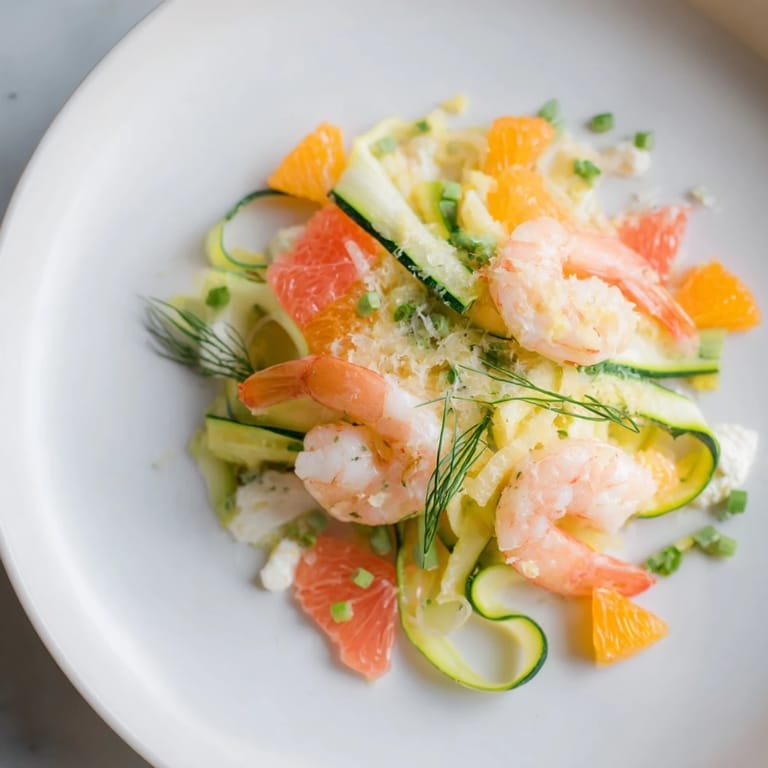
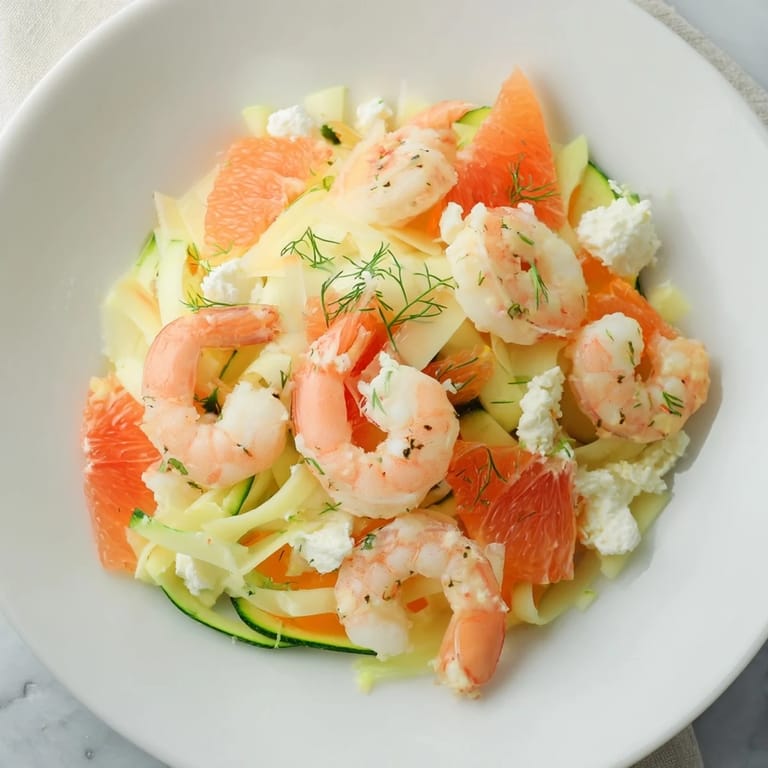
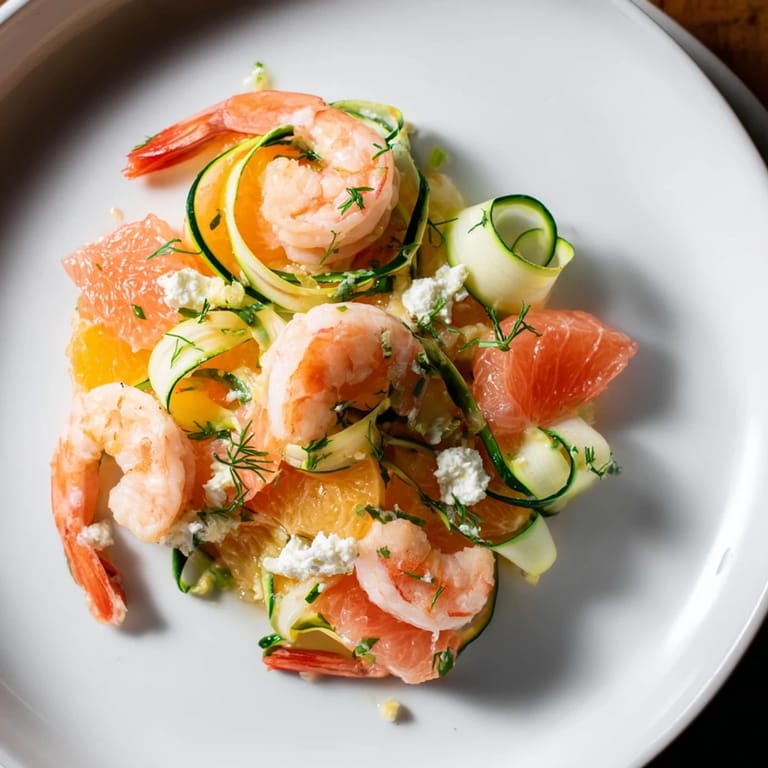
Save The first time I arranged shrimp and citrus on a platter, I wasn't thinking about reefs at all—I was just trying to use up some gorgeous pink grapefruit and wondering if seafood could live happily next to cheese. My friend asked what I was making, and when I stepped back to look at the colors—those sunset oranges, the pale pink shrimp, the creamy white Gruyère—suddenly it clicked. It looked like something from underwater, bright and alive. That moment taught me that the best dishes sometimes find their own story as you build them.
I made this for four friends on a Tuesday night when someone mentioned missing the ocean, and halfway through cooking I realized none of us could stop talking about how it smelled—that briny shrimp mixing with toasted cheese and the bright snap of citrus zest filling the kitchen. Watching everyone lean in to take the first bite, seeing their faces light up—that's when I knew this dish had become something I'd make again and again.
Ingredients
- Large pink shrimp (500 g): Buy them the same day you'll cook; frozen works too, but fresh shrimp have a sweeter flavor that really shines here.
- Oranges and pink grapefruit: The citrus is the soul of this dish—look for fruits that feel heavy for their size, and segment them by hand rather than squeezing; you want those intact pieces.
- Lemon juice: This brightens the shrimp and cuts through the richness of the cheese beautifully.
- Gruyère cheese, grated: Its nutty, slightly sweet flavor is essential; don't swap it for something mild or this dish loses its depth.
- Ricotta cheese: Small spoonfuls add creamy pockets that melt into the warm platter; it's gentler than harder cheeses.
- Zucchini and carrot: These create the base and keep everything light; slice them thin so they soften quickly without becoming mushy.
- Fresh chives and dill: Don't skip these—they add that final herbaceous note that makes people say 'what is that flavor?'
- Olive oil: Use your better oil here; it's one of the few ingredients you taste directly.
Tired of Takeout? 🥡
Get 10 meals you can make faster than delivery arrives. Seriously.
One email. No spam. Unsubscribe anytime.
Instructions
- Prepare your ingredients and preheat:
- Set your broiler to high and gather everything within arm's reach—this dish moves quickly once you start. Having your platter, cheeses, and herbs ready means you won't be scrambling at the last second.
- Season and sear the shrimp:
- Toss your shrimp with olive oil, lemon juice, salt, and pepper, then let them sit for a minute so they start absorbing flavor. In a hot skillet, they'll take just two minutes per side—you're looking for that moment when they turn from translucent to opaque, not a second longer or they'll toughen.
- Brighten the citrus:
- Gently toss your orange and grapefruit segments with a tiny bit of zest and salt; this coaxes out their juices and helps distribute the flavor.
- Steam your vegetables:
- Quick steam—just a minute or two—keeps the zucchini and carrot tender-crisp and ready to hold all the other components.
- Build your reef on the platter:
- Arrange your steamed vegetables as the base, then nestle the warm shrimp and cold citrus pieces among them in whatever colors feel right to you. There's no wrong way to do this part; you're creating something beautiful.
- Add the cheese and broil:
- Scatter the grated Gruyère evenly and dot with small spoonfuls of ricotta, then slide under the broiler for 2–3 minutes until the cheese bubbles and turns golden at the edges. Watch it closely—broilers vary, and you want melted, not charred.
- Finish and serve:
- Pull it out, scatter your chives and dill over everything, drizzle with a little more olive oil, and bring it straight to the table while the cheese is still warm and slightly bubbly.
 Save
Save There's something magical about food that looks like art but doesn't require any special training to make. This dish sits somewhere between a composed salad and a warm cheese dish, and it taught me that the most impressive meals often come from simple ingredients arranged with intention.
Playing with Color and Flavor
I've tried adding thin slices of watermelon radish for extra visual drama, and pomegranate seeds for little bursts of tartness. Both work beautifully, though they do add another minute to your prep time. The core magic happens when the warm melted cheese meets the cool, juicy citrus, so whatever vegetables or garnishes you choose, make sure you're keeping that temperature and texture contrast alive.
Cheese Swaps That Work
Gruyère is my first choice because its nutty flavor stands up to the bright citrus without overwhelming it, but I've made this with Emmental when that's what I had on hand, and it worked beautifully. A good melting mozzarella also bubbles up nicely, though it's milder and won't add quite the same depth. The ricotta is harder to replace—its soft creaminess is part of what makes this special—but if you're out of it, a dollop of whipped cream cheese works in a pinch.
Wine and Table Moments
A crisp Sauvignon Blanc or dry rosé is the natural pairing, and I've found that serving this dish brings people together in an easy, celebratory way. There's something about composed, colorful food that makes everyone feel a little more special, even on a weeknight. The meal becomes an event without any fussing required.
- Serve this straight from the broiler while the cheese is still warm and the vegetables hold their texture.
- Don't stress about perfect plating—the natural colors and movement of the ingredients do the work for you.
- Make extra citrus segments if you're feeding hungry people; they disappear faster than you'd expect.
 Save
Save This dish has become my go-to when I want to cook something that feels special without spending hours in the kitchen. Every time I make it, I'm reminded that the best meals are the ones you genuinely want to eat and share.
Recipe FAQs
- → What type of shrimp is best for this dish?
Large pink shrimp, peeled and deveined, work best due to their tender texture and delicate flavor.
- → Can other cheeses replace Gruyère?
Yes, Emmental or bubbly mozzarella are excellent substitutes that melt well and maintain the dish’s character.
- → How should the vegetables be prepared?
Zucchini ribbons and julienned carrots are briefly steamed until just tender to maintain a fresh texture and vibrant appearance.
- → What is the purpose of broiling at the end?
Broiling melts and lightly browns the Gruyère cheese, creating a bubbly, golden topping that enhances flavor and presentation.
- → Which herbs complement this dish?
Fresh chives and torn dill add bright, aromatic notes that balance the rich cheese and citrus flavors.