 Save
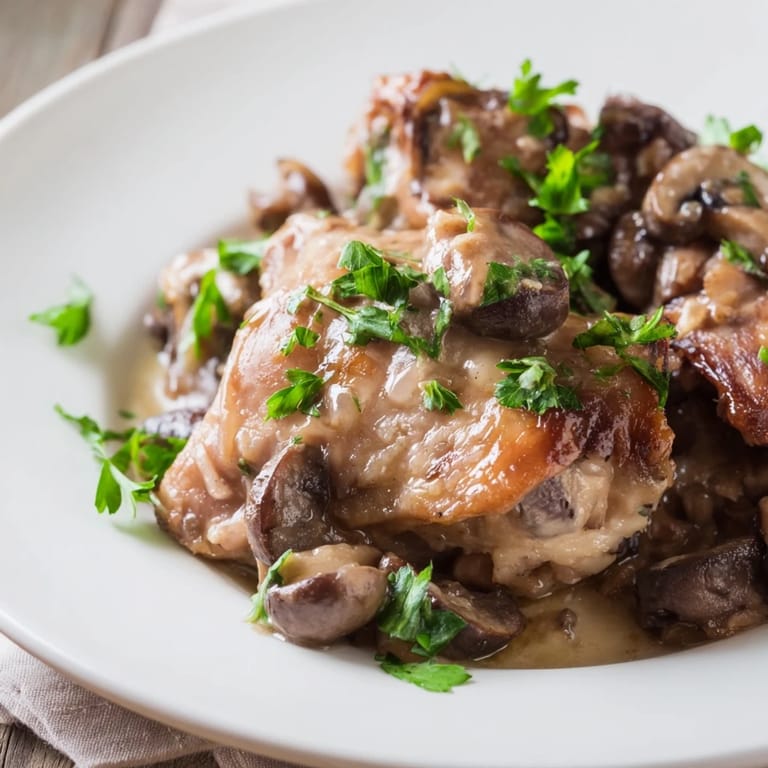
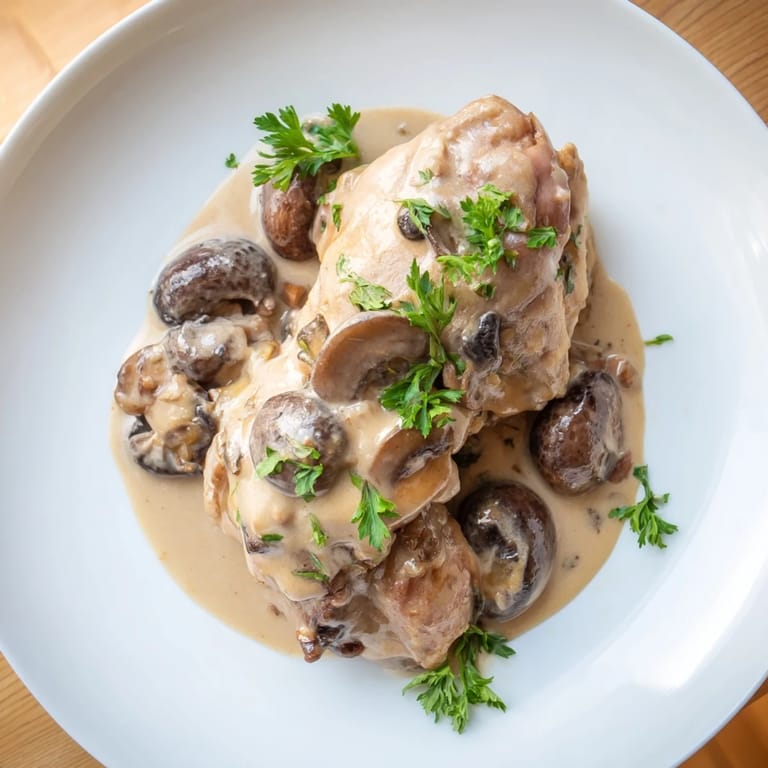
Save My neighbor brought back a bottle of Provençal rosé from her summer trip, and we sat on her balcony trying to figure out what to do with it besides drink it all. Someone mentioned coq au vin, and I thought why not trade the red for pink? The chicken turned a beautiful pale blush, the sauce stayed light but rich, and we ate it with our fingers dipped in cream. It felt like France without the heaviness of winter.
I made this for a small dinner party once, and my friend who claims she only eats chicken if its fried looked at me skeptically until she tasted the sauce. She went quiet, then asked for seconds, then texted me two days later asking for the recipe. That moment reminded me that good food doesnt need to shout, it just needs to taste honest.
Ingredients
- Bone in, skin on chicken pieces: Thighs and drumsticks stay juicy and their bones add deep flavor to the braising liquid as everything simmers together.
- Dry rosé wine: Choose something you would actually drink, nothing too sweet, the wine becomes the soul of the sauce and cheap stuff will taste thin.
- Olive oil: Used for browning the chicken and building the fond on the bottom of the pot, which later becomes the base of your sauce.
- Onion, garlic, carrots, and leek: This aromatic base melts into the background, sweetening and rounding out the acidity of the wine without stealing attention.
- Cremini or button mushrooms: Quartered mushrooms soak up the rosé and release their earthy moisture back into the pot.
- Tomato paste: Just a spoonful adds body and a subtle tangy sweetness that balances the cream later on.
- All purpose flour: Optional but helpful if you want a thicker, more velvety sauce that clings to each piece of chicken.
- Heavy cream: Stirred in at the end, it turns the braising liquid silky and ties everything into a cohesive, glossy finish.
- Bay leaf, thyme, and rosemary: These herbs perfume the pot gently, the kind of fragrance that makes people wander into the kitchen asking whats cooking.
- Salt and black pepper: Season generously at every stage, chicken needs more salt than you think, and pepper adds a quiet warmth.
- Fresh parsley: A handful of chopped parsley at the end brings brightness and makes the whole dish look like it belongs in a bistro window.
Tired of Takeout? 🥡
Get 10 meals you can make faster than delivery arrives. Seriously.
One email. No spam. Unsubscribe anytime.
Instructions
- Prepare the chicken:
- Pat each piece completely dry with paper towels and season all over with salt and pepper. Wet chicken wont brown properly, and browning is where the flavor starts.
- Brown the chicken:
- Heat olive oil in a large Dutch oven over medium high heat and brown the chicken in batches, about 5 minutes per batch, letting the skin turn golden and crisp. Transfer browned pieces to a plate and dont worry about cooking them through yet.
- Cook the vegetables:
- In the same pot, add onions, carrots, and leek, letting them soften and pick up the browned bits for 4 to 5 minutes. Toss in mushrooms and cook another 3 minutes until they start to release their moisture.
- Build the base:
- Stir in garlic and cook for 1 minute until fragrant, then add tomato paste and cook another minute, stirring constantly so it caramelizes slightly and deepens in color.
- Thicken and deglaze:
- If using flour, sprinkle it over the vegetables and stir to coat everything evenly. Pour in the rosé wine and scrape up all the browned bits from the bottom of the pot with a wooden spoon.
- Braise the chicken:
- Return the chicken to the pot along with any juices, then add bay leaf, thyme, and rosemary. Bring everything to a simmer, cover, and reduce heat to low, letting it cook gently for 45 minutes until the chicken is fall off the bone tender.
- Finish the sauce:
- Remove the herbs, stir in heavy cream, and simmer uncovered for 5 to 10 minutes until the sauce thickens slightly and turns glossy. Taste and adjust salt and pepper as needed.
- Serve:
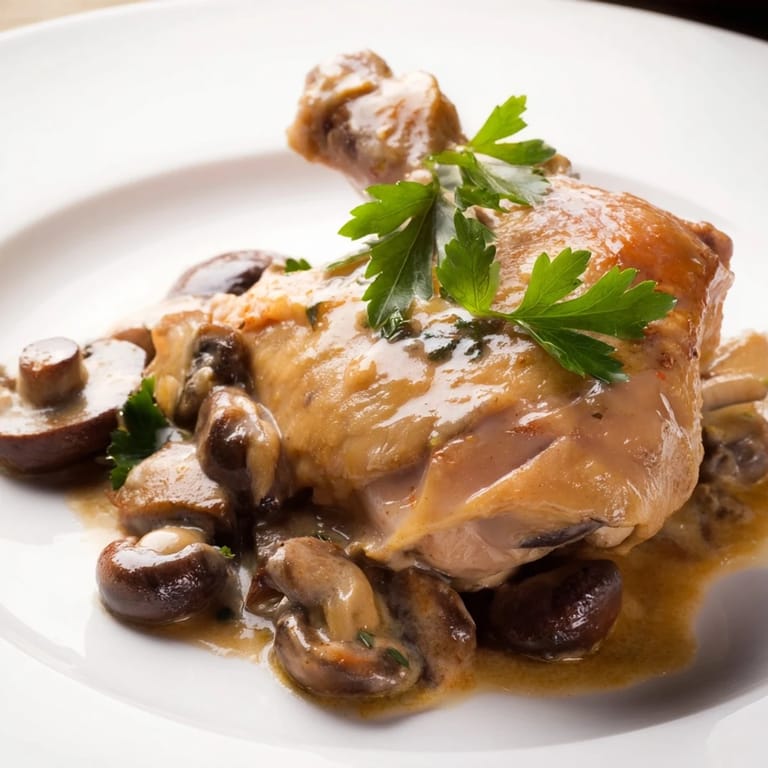
- Plate the chicken with plenty of sauce spooned over the top and garnish with fresh parsley. Serve it hot with something to soak up every last drop.
 Save
Save One evening I served this alongside roasted potatoes and watched my brother in law, who usually inhales his food, slow down and savor each bite. He looked up and said it tastes like someone cared, and I realized thats exactly what slow braising does. It turns ingredients into something that feels like attention, like time spent, like love made edible.
What to Serve Alongside
This dish begs for something starchy and absorbent to catch all that creamy rosé sauce. Buttered new potatoes are classic, their skins slightly crispy and insides fluffy, or try crusty bread torn into chunks for dipping. I have also served it over wide egg noodles or alongside a simple pilaf, and it works beautifully. A crisp green salad with a sharp vinaigrette cuts through the richness and makes the whole meal feel balanced.
How to Store and Reheat
Let the chicken cool to room temperature, then transfer it and the sauce to an airtight container and refrigerate for up to 3 days. The flavors deepen overnight, so leftovers are a gift. Reheat gently on the stovetop over low heat, adding a splash of water or stock if the sauce has thickened too much. You can also freeze portions for up to 2 months, though the cream may separate slightly when thawed, just stir it back together as it warms.
Swaps and Variations
If you want a lighter version, swap heavy cream for crème fraîche or half and half, which still adds richness without quite as much fat. A splash of cognac or brandy stirred in with the wine adds warmth and complexity. You can also use a mix of rosé and chicken stock if you want to stretch the wine or tone down the acidity. For a gluten free version, just skip the flour and let the sauce reduce naturally, it will still thicken from the cream and the natural collagen in the chicken bones.
- Try adding pearl onions or baby carrots for a more traditional coq au vin look.
- Swap thyme for tarragon if you want a more delicate, anise like flavor.
- Finish with a squeeze of lemon juice to brighten the sauce just before serving.
 Save
Save This dish has become my go to when I want to impress without pretending to be fancy. It feels special, tastes layered and complex, but really its just good ingredients treated with patience.
Recipe FAQs
- → Can I use chicken breast instead of thighs and drumsticks?
While you can use breast meat, thighs and drumsticks are recommended because they stay tender and moist during the long braising. Breast meat may become dry. If using breast, reduce cooking time to 30-35 minutes.
- → What type of rosé wine should I use?
Choose a dry rosé wine with balanced acidity and flavor. Avoid sweet or premium bottles—a mid-range Provence rosé works beautifully. The wine should be something you'd enjoy drinking, as its character significantly influences the final sauce.
- → How can I make this dish ahead of time?
This braise actually improves when made a day ahead. Prepare through step 7, cool completely, and refrigerate. The next day, gently reheat over low heat, then stir in the cream and simmer until glossy. This allows flavors to develop and deepens the sauce.
- → Is this dish suitable for gluten-free diets?
Yes, simply omit the optional flour thickener. The sauce will be slightly thinner but still delicious. If you need additional thickening, use cornstarch slurry or arrowroot powder instead of wheat flour.
- → What are good side dish pairings?
Serve with buttered egg noodles, creamy mashed potatoes, or crusty bread to soak up the sauce. A simple green salad or roasted vegetables like green beans also complement the rich sauce beautifully.
- → Can I add cognac or brandy to this dish?
Absolutely. For deeper flavor, add 2-3 tablespoons of cognac or brandy after browning the chicken. Let it simmer for a minute to burn off the alcohol before adding the wine. This adds complexity and richness to the final sauce.