 Save
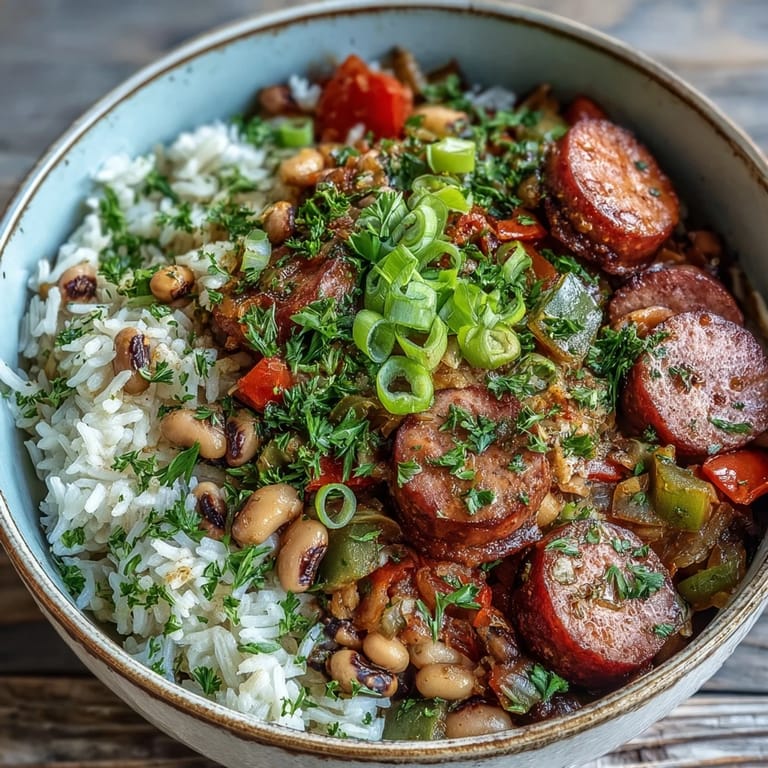
Save My neighbor Marcus handed me a steaming bowl of jambalaya on a humid New Orleans visit, and I watched him stir it one last time before serving—that casual confidence with the spoon told me he'd made this a thousand times. The aroma alone made me understand why this dish has survived generations: it smells like home, like patience, like bold choices coming together. I spent the next week pestering him for his technique, and what he shared wasn't complicated, just thoughtful. Now whenever I make it, that one-pot simplicity feels like a small rebellion against overthinking dinner.
I made this for a small dinner party last fall when everyone was tired of the same rotation, and someone asked for thirds before I'd even sat down—that moment when a recipe moves beyond being just good and becomes the thing people actually remember. The kitchen filled with that warm, slightly smoky smell, and I realized this was the kind of dish that invites people to linger at the table instead of rushing off.
Ingredients
- Smoked sausage (340 g / 12 oz): Andouille gives you authentic Cajun heat, but kielbasa works beautifully if that's what you find—the smoke is what matters, not the brand loyalty.
- Onion, celery, red and green bell peppers: This holy trinity of vegetables (plus the pepper) is where Cajun cooking finds its soul; don't skip the green pepper for color contrast.
- Garlic (3 cloves, minced): Add it after the vegetables soften so it doesn't burn and turn bitter on you.
- Black-eyed peas (1 can, 425 g / 15 oz): Canned works perfectly here and saves you from soaking overnight; just rinse them so you're not adding extra sodium.
- Long-grain white rice (300 g / 1 ½ cups): This ratio is crucial—too much rice and you'll have a stodgy mess, too little and it won't soak up all that flavor.
- Chicken broth (800 ml / 3 ⅓ cups): Use low-sodium so you control the salt and the spices shine through.
- Diced tomatoes (1 can, 400 g / 14 oz with juices): The acid cuts through the richness and brightens everything.
- Olive oil (2 tbsp): Enough to coat the pan and start building flavor without making it greasy.
- Cajun seasoning (1 ½ tsp): This is your backbone; I've learned to trust good quality seasoning blends here rather than trying to mix my own every time.
- Smoked paprika (1 tsp): The smoke in this spice echoes the sausage and ties the whole dish together.
- Dried thyme and oregano (½ tsp each): These herbals keep jambalaya from tasting one-dimensional.
- Bay leaf (1): Remove it before serving—learned that lesson the hard way.
- Salt, black pepper, cayenne (½ tsp, ¼ tsp, ¼ tsp optional): Layer your salt carefully since the broth and sausage already contribute; cayenne is for when you want people to know this came from Louisiana.
- Spring onions and parsley (for garnish): The green at the end wakes everything up and makes it look like you cared about presentation.
Tired of Takeout? 🥡
Get 10 meals you can make faster than delivery arrives. Seriously.
One email. No spam. Unsubscribe anytime.
Instructions
- Brown the sausage first:
- Heat your olive oil in a large Dutch oven or heavy pot over medium heat, then add the sliced sausage. Let it sit for 4–5 minutes without stirring too much—you want those edges to get dark and crispy, releasing all that smoky fat into the pot. This is where your flavor foundation gets built.
- Build the base with vegetables:
- Once the sausage is browned, add your diced onion, celery, and both bell peppers. Cook for about 5 minutes, stirring occasionally, until they start to soften and release their sweetness. You'll notice the kitchen smells completely different now—that's the Cajun base developing.
- Wake it up with garlic:
- Stir in your minced garlic and cook for just 1 minute until it's fragrant but not brown. This moment matters—you want that garlicky perfume, not burnt bitterness.
- Toast the rice:
- Add your uncooked rice to the pot and stir everything together for a minute or two. The rice grains will coat with oil and start to toast slightly, which gives them more body and keeps them from becoming mushy.
- Combine everything in:
- Pour in your chicken broth, the diced tomatoes with their juice, the rinsed black-eyed peas, and all your seasonings (Cajun seasoning, smoked paprika, thyme, oregano, bay leaf, salt, pepper, and cayenne if you're feeling it). Stir well so nothing sticks to the bottom.
- Simmer low and slow:
- Bring the mixture to a boil, then immediately reduce the heat to low. Cover and let it simmer for 20–25 minutes—don't peek too much, but do listen for the gentle bubble that tells you it's working. When the rice is tender and the liquid has been absorbed, you're done.
- Rest and fluff:
- Remove from heat, keep it covered for 5 minutes, then discard that bay leaf. Use a fork to fluff everything gently, which keeps the rice from turning into mush and separates the grains.
- Finish and serve:
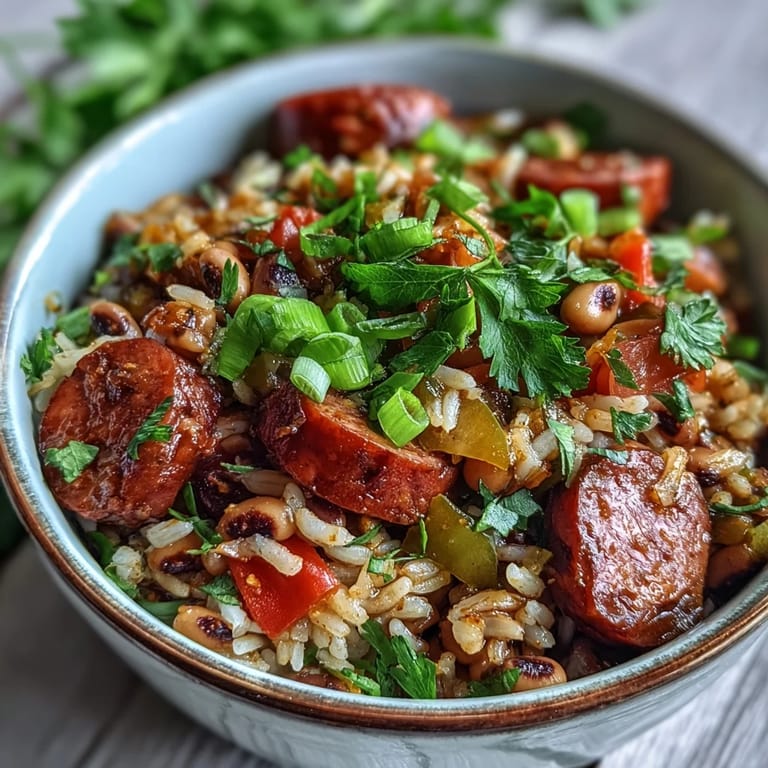
- Scatter your fresh spring onions and chopped parsley over the top just before serving. That green color and fresh taste cut through the heaviness and make every bite feel brighter.
 Save
Save One evening my daughter asked why I was making this specific dish again, and I realized I couldn't quite explain it—there's something about jambalaya that just works when you need food that feels like a hug. It's the kind of meal that brings people around the table and keeps them there, talking longer than they planned.
Choosing Your Sausage Matters
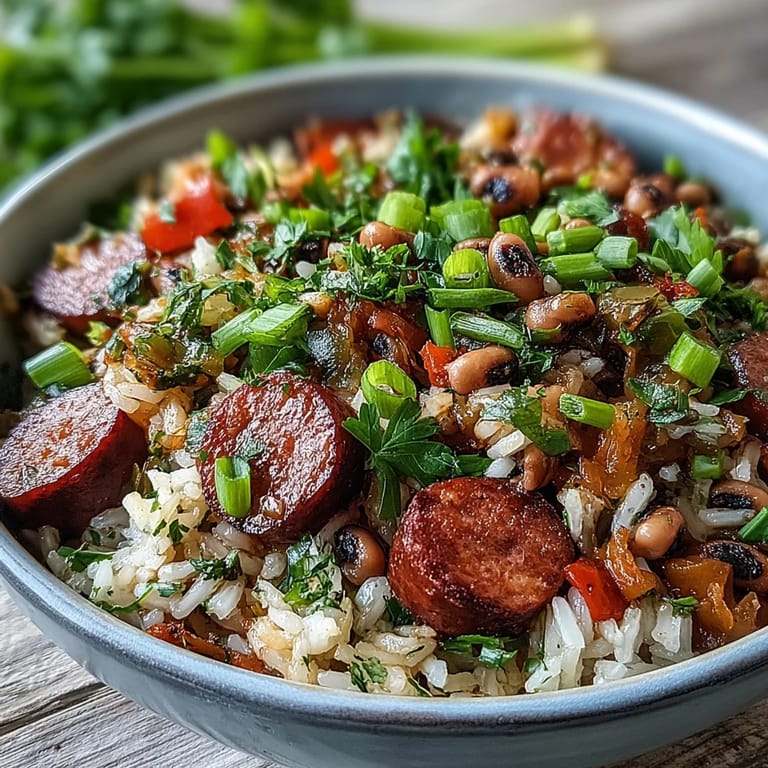
When I first started making this, I grabbed whatever sausage was on sale and wondered why it didn't taste quite right—turns out the smoke level varies wildly between brands. Andouille sausage from a decent butcher or specialty section gives you that authentic Louisiana depth, but a good quality kielbasa or even a smoked bratwurst will work if that's easier to find. The key is looking for something that's actually smoky-tasting, not just labeled that way, and checking the ingredient list so you know what you're getting.
Adjusting Heat to Your Taste
Jambalaya can whisper or it can shout, depending on your mood and your guests' tolerance for spice. The base recipe lands somewhere in the middle with the Cajun seasoning providing warmth without overwhelming heat. I learned this by serving it to my mother-in-law, who prefers milder flavors, and realizing I could dial back the cayenne without losing character—just reduce the Cajun seasoning slightly and let the smoked paprika carry more of the flavor.
Storage and Next-Day Magic
This dish actually tastes better the next day because the flavors have time to mingle and deepen—something that surprised me the first time I reheated a portion for lunch. Store it in an airtight container in the refrigerator for up to 4 days, and when you're ready to eat it again, warm it gently on the stovetop with a splash of broth or water if it's dried out slightly.
- You can also freeze jambalaya for up to 3 months, though the rice texture changes slightly, so save this mostly for a quick dinner revival when you're desperate.
- Avoid the microwave if you can—it tends to dry things out unevenly, but low heat on the stove brings it back to life beautifully.
- Leftover jambalaya transforms easily into jambalaya fried rice if you're feeling creative the next morning.
 Save
Save This is the kind of dish that reminds you why cooking for people matters—it's not fancy, but it's generous and warm and it brings everyone to the same place at the same time. Make it once and you'll understand why Marcus guards his jambalaya reputation so carefully.
Recipe FAQs
- → What makes this jambalaya different from traditional versions?
This version incorporates black-eyed peas, adding protein and texture while paying homage to Southern culinary traditions. The peas complement the smoky sausage and create a more filling, nutrient-dense dish compared to rice-only versions.
- → Can I make this vegetarian?
Yes, simply omit the smoked sausage and substitute vegetable broth for chicken broth. Add extra vegetables like mushrooms or additional beans to maintain heartiness and depth of flavor.
- → How spicy is this jambalaya?
The spice level is medium with Cajun seasoning and optional cayenne. You can easily adjust heat by reducing or increasing the cayenne pepper and Cajun seasoning to suit your preference.
- → What type of rice works best?
Long-grain white rice is ideal as it stays fluffy and separate during cooking. Brown rice can be used but will require additional liquid and longer cooking time.
- → How should I store leftovers?
Store in an airtight container in the refrigerator for up to 4 days. Reheat gently with a splash of broth or water to restore moisture. The flavors often improve after resting.
- → Can I use dried black-eyed peas instead of canned?
Yes, but you'll need to cook them separately until tender before adding to the jambalaya, or extend the simmering time significantly and add more liquid.