 Save
Save I discovered The Tundra Trek while walking through a Nordic gallery on a gray winter afternoon, staring at a stark photograph of an endless white landscape punctuated by a few hardy plants clinging to frozen earth. Something about that isolation and beauty haunted me into the kitchen, where I wanted to create something equally austere and stunning on a plate. The challenge became clear: how do you make emptiness delicious? How do you let silence sing? This dish taught me that simplicity isn't about doing less—it's about choosing each element with intention.
I made this for my friend Elena, who had just moved to a tiny apartment in the city and was feeling homesick for her family's mountain home. She took one bite of that first cold, delicate radish slice and her whole face softened. She didn't say much—just sat quietly with the plate—but afterward she told me it tasted like clarity, like the moment right before snow falls. That's when I knew I'd gotten it right.
Ingredients
- Daikon radish: Its natural sweetness and papery crunch are what make this dish work; slice it thin enough to be almost translucent.
- Kohlrabi: This vegetable often intimidates people, but it's just cauliflower's crisp cousin—peel it generously and your knife will glide through it like ice.
- Belgian endive: Buy the freshest you can find; those leaves are your canvas for scattering everything else.
- Cauliflower florets: Chop them into tiny pieces so they scatter like real tundra moss rather than sitting in clumps.
- Unsweetened coconut flakes: They add an unexpected textural contrast and a whisper of tropical mystery to an otherwise cool plate.
- Sesame seeds (white and black): Toast them yourself—it takes three minutes and the difference between dull and alive is exactly that: your attention.
- Microgreens: These are your final flourish; they add color and a peppery pop that wakes everything up.
- Extra-virgin olive oil: Use one you actually like drinking, because you'll taste every note of it.
- Lemon juice and white wine vinegar: Together they're less about acidity and more about permission—they let the vegetables taste like themselves.
- White pepper: It's gentler than black pepper, which is exactly the point of this whole dish.
- Flaky sea salt: This is not negotiable; regular salt dissolves and disappears, but flakes cling and punctuate.
Tired of Takeout? 🥡
Get 10 meals you can make faster than delivery arrives. Seriously.
One email. No spam. Unsubscribe anytime.
Instructions
- Chill your canvas:
- Get that stone or marble platter into the freezer now; a cold plate is half the magic. The vegetables will stay crisp longer and taste sharper against the cold.
- Make your dressing:
- Whisk together the olive oil, lemon juice, vinegar, and white pepper in a small bowl. It should taste bright but not harsh—you're seasoning the air around the vegetables, not drowning them.
- Scatter with intention:
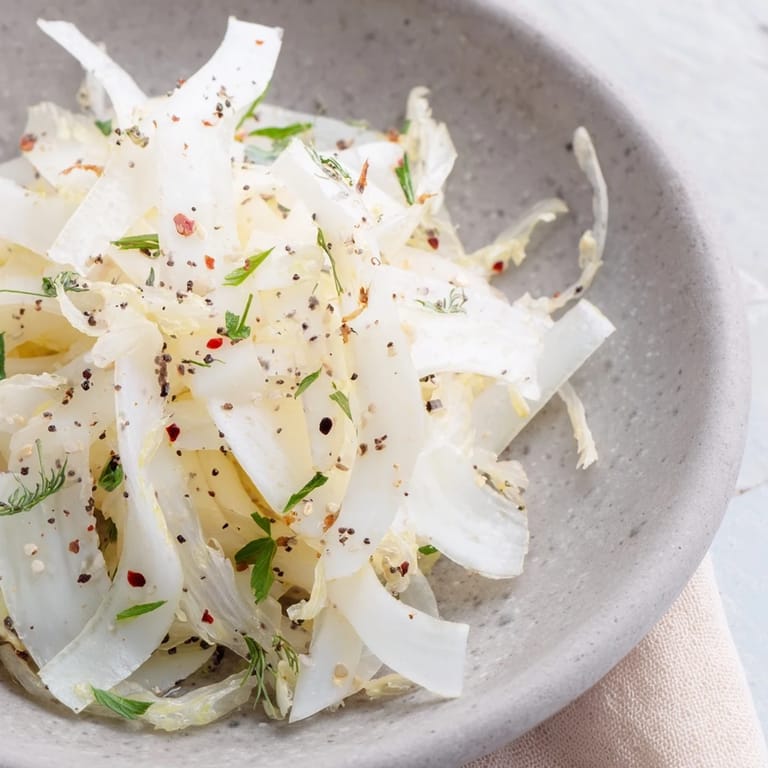
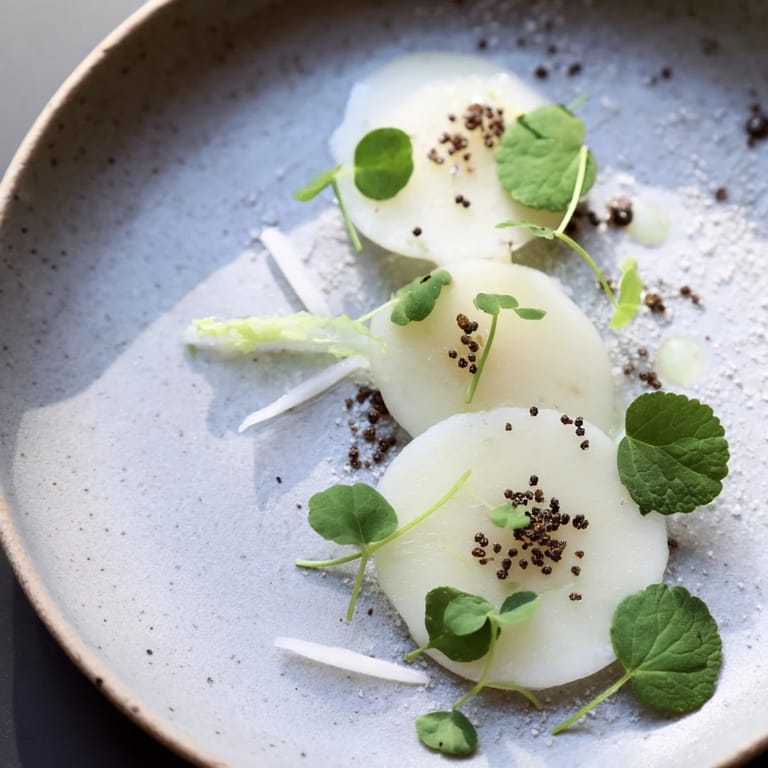
- Arrange your daikon and kohlrabi slices across the cold stone in that sparse, windswept way, leaving as much empty space as filled space. This isn't about coverage; it's about breathing room.
- Add layers of texture:
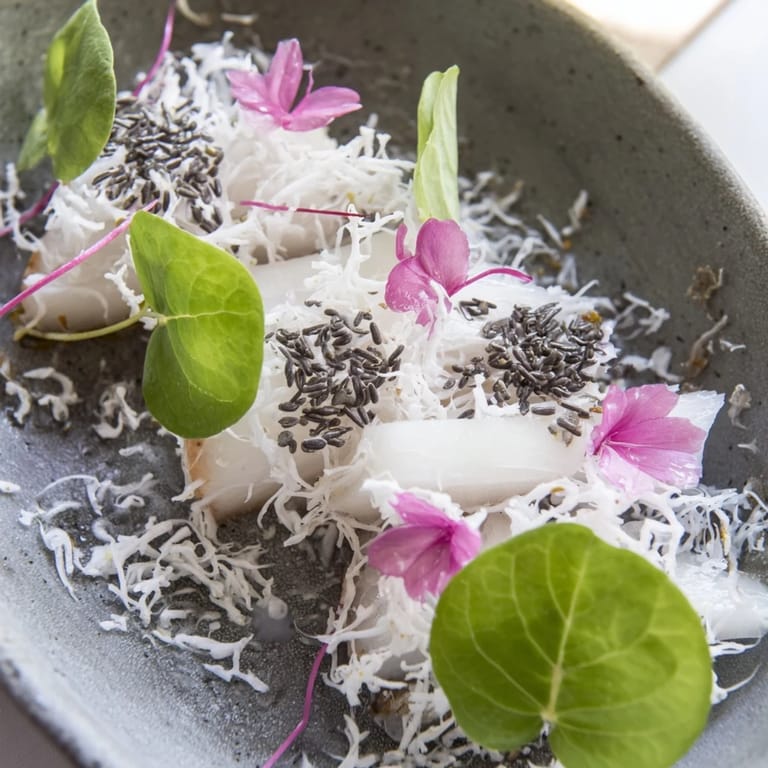
- Sprinkle the cauliflower, coconut flakes, and sesame seeds across the plate in no particular pattern—imagine wind has done this for you, randomly but somehow perfectly.
- Dress lightly:
- Drizzle the dressing in a few places rather than everywhere, letting people taste both dressed and undressed vegetables as they eat.
- Finish with microgreens and salt:
- Just before serving, scatter the microgreens and a few grains of flaky salt across the top. This is the moment the dish comes alive.
- Serve without hesitation:
- Bring it to the table cold and let people sit with it for a moment before eating, the way you'd stand quietly in front of a painting.
 Save
Save There's a moment in cooking when you realize you don't need fire or heat or transformation—sometimes the most profound dishes are about restraint and respect for what each ingredient already is. This plate taught me that lesson in the clearest way possible.
The Art of Negative Space
Plating this dish taught me more about composition than any culinary school could. You're not trying to cover the stone; you're trying to reveal it. Think of the empty space as part of the flavor, as important as anything you place there. When I first made this, I piled everything on like I was afraid of silence, and it looked like confusion. Then I stepped back, removed half of what I'd put down, and suddenly it became a landscape.
Why Cold Food Tastes Different
Cold vegetables taste sharper and cleaner than the same vegetables at room temperature—your taste buds wake up. There's also something almost meditative about eating something cold; it slows you down. You can't rush through a cold plate the way you might a warm one. Each bite makes you pause and actually taste what's there instead of just consuming it.
Variations and Extensions
This dish is a foundation, not a prison. You can shift the whole mood by changing one or two elements. The beauty of understanding the skeleton of a recipe is knowing exactly where you can play.
- For protein, scatter smoked whitefish flakes or chilled poached shrimp across the top—they add salinity without warmth.
- Try yuzu juice or rice vinegar instead of lemon and wine vinegar for an Asian-leaning brightness.
- Serve alongside chilled aquavit or a crisp Riesling to echo the Nordic inspiration and make the whole meal feel intentional.
 Save
Save This dish proves that a recipe doesn't need to be complicated to be memorable—it just needs to be honest. Serve it when you want people to slow down and pay attention.
Recipe FAQs
- → What vegetables create the base of The Tundra Trek?
Thinly sliced daikon radish, kohlrabi, and Belgian endive leaves form the crisp vegetable foundation.
- → How is texture enhanced in this dish?
Toasted white and black sesame seeds, coconut flakes, and finely chopped cauliflower add contrasting crunch.
- → What dressing complements the flavors?
A light blend of extra-virgin olive oil, fresh lemon juice, white wine vinegar, and white pepper creates a subtle, balanced dressing.
- → How does chilling the serving plate affect the dish?
Using a frozen stone or marble platter maintains crispness and enhances the fresh, cool sensation of the ingredients.
- → Can this dish accommodate non-vegetarian toppings?
Yes, adding flakes of smoked whitefish or chilled poached shrimp offers protein while maintaining delicate flavors.
- → What pairings enhance the overall experience?
Serving with dry white wine or chilled aquavit complements the fresh, subtle notes and Nordic inspiration of the dish.