 Save
Save I discovered the magic of black and gold when a Nordic chef casually mentioned that the most memorable appetizers play with contrast—not just flavor, but theater. That conversation stuck with me through an entire winter, and I became obsessed with creating something that looked like a celestial event on a plate. When I finally roasted those carrots with turmeric and surrounded them with jet-black crackers, my kitchen filled with this warm, earthy smoke, and I knew I'd found something special.
I made this for a dinner party on the darkest evening of December, and something about serving it then felt right. A guest asked if the charcoal was safe to eat, and when I explained it was food-grade, she laughed and said it looked like she was eating the night sky. That moment made me realize this dish isn't just appetizing—it tells a story without a single word.
Ingredients
- All-purpose flour: The neutral base that lets the charcoal crackers stay delicate and crisp rather than dense.
- Activated charcoal powder (food-grade): This is what creates that striking black color and slightly earthy undertone that somehow makes the carrots taste brighter by comparison.
- Olive oil: Two tablespoons in the crackers keep them tender enough to break cleanly, and another for the carrots to encourage that golden caramelization.
- Carrots: Choose large ones with deeper orange color; they roast more evenly and develop that concentrated sweetness you want.
- Greek yogurt: The tanginess balances the sweetness of roasted carrots and makes the dip silky without needing cream.
- Turmeric and smoked paprika: These aren't just color—turmeric brings earthiness and paprika adds a whisper of smoke that ties back to the charcoal.
- Tahini: A single tablespoon creates depth and helps the dip hold together with a luxurious texture.
- Lemon juice and garlic: These brighten everything and prevent the dip from tasting one-note.
Tired of Takeout? 🥡
Get 10 meals you can make faster than delivery arrives. Seriously.
One email. No spam. Unsubscribe anytime.
Instructions
- Roast the carrots first:
- Toss your chopped carrots with olive oil and those warm spices, then spread them on a baking sheet and let the oven work its magic for 25 to 30 minutes. You'll know they're ready when the edges start to caramelize and the kitchen smells like turmeric and honey.
- Mix the cracker dough while carrots cook:
- Whisk your flour, charcoal powder, and salt together, then add oil and water until you have a shaggy dough. Knead it just until smooth—overworking it makes the crackers tough instead of delicate.
- Roll thin and cut:
- Working between two sheets of parchment keeps this mess-free; roll until you can almost see through the dough. Cut into rectangles or rounds, whatever feels right to you.
- Bake the crackers:
- Ten to twelve minutes at 400°F and they'll be crisp and ready to cool on the sheet. Resist the urge to eat them warm; they crisp up more as they cool.
- Blend the dip smooth:
- Once the carrots are cool enough to handle, pulse them in the food processor with yogurt, tahini, lemon juice, and garlic until you reach that restaurant-quality smoothness. Taste and adjust salt and lemon—dips need more seasoning than you'd think.
- Compose and serve:
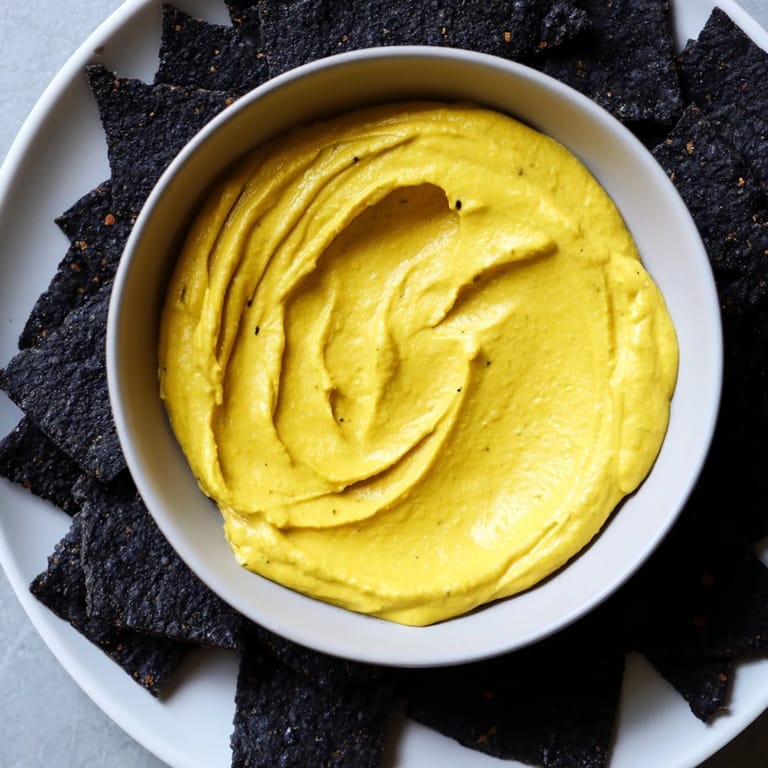
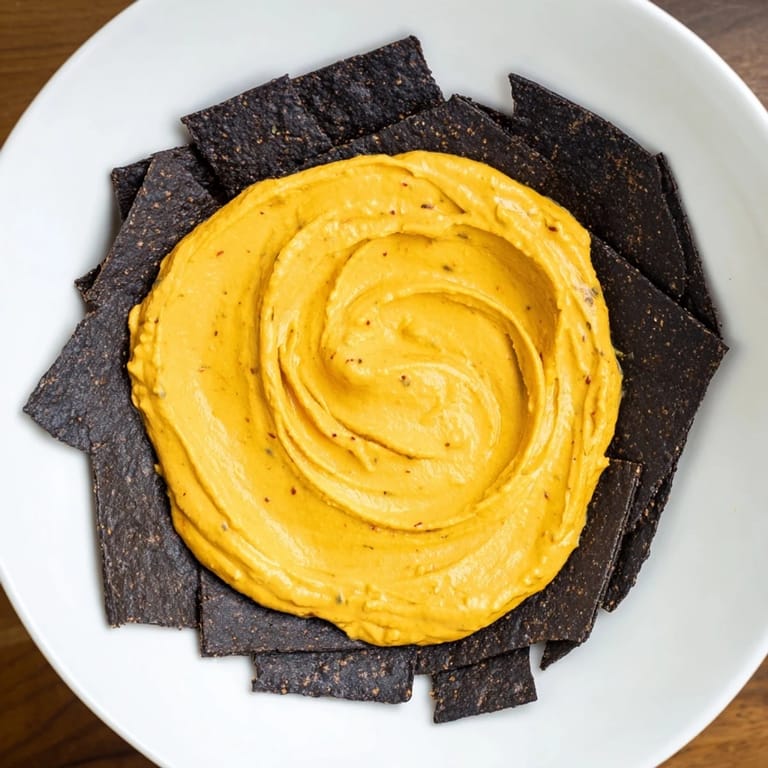
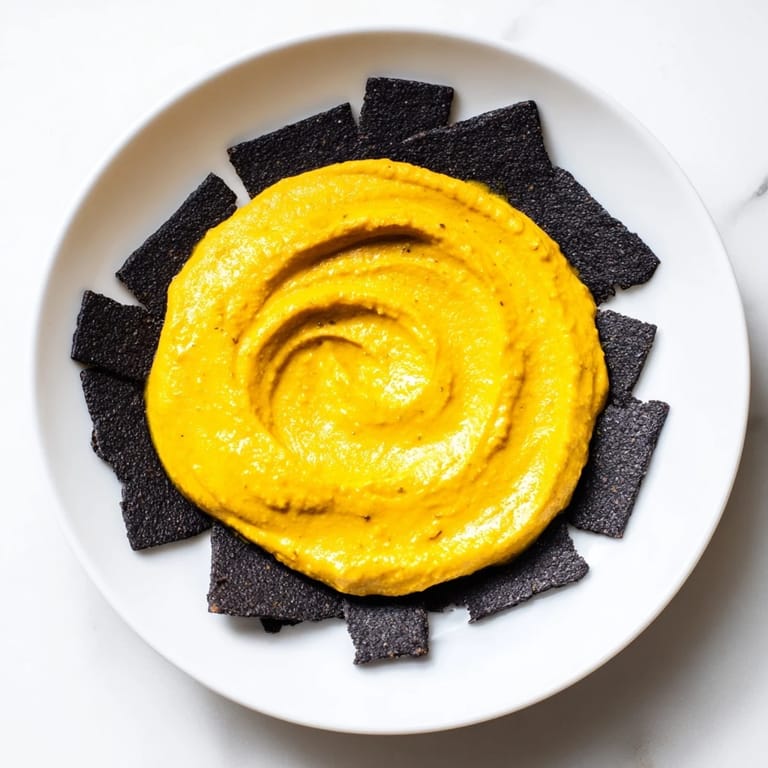
- Spoon the bright orange dip into the center of your plate or board, forming that yolk-like circle. Ring it with your dark crackers, creating that midnight sun contrast that makes everyone lean in closer.
 Save
Save I remember a friend asking why I'd made something so elaborate for just appetizers, and I realized I couldn't quite explain it—I just knew this dish made people feel something. It wasn't the flavors alone; it was the presentation, the story of light and dark, the fact that something so visually striking tasted genuinely good. That's when cooking stopped being just technique and became small magic.
Why Charcoal Matters
Charcoal crackles might sound intimidating, but they're more forgiving than you'd expect. The food-grade charcoal doesn't taste like anything harsh—it just adds visual drama and a subtle earthiness that actually complements roasted vegetables. I've seen people assume the black means something floral or medicinal, then taste them and discover they're just properly salted, slightly crisp flour-based crackers. The real trick is rolling them thin enough that they shatter like glass instead of bend.
The Science of Roasting
Roasted carrots are a completely different vegetable from raw ones. The heat breaks down cell walls and concentrates sugars, creating this almost buttery sweetness that works perfectly against the yogurt's tang. I learned this by accident when I once tried to make the dip with raw carrots and the result tasted thin and grassy. The roasting also gives you control—you can caramelize the edges if you like deeper flavor, or pull them out earlier if you prefer them more delicate.
Building Flavor in the Dip
This dip works because of balance, not because any single ingredient is fancy. The tahini adds body, the lemon adds brightness, the turmeric adds warmth, and the smoked paprika whispers smoke. I used to think creamy dips needed heavy ingredients, but Greek yogurt taught me that tangy dairy can be the star if you support it with enough seasoning and acid.
- Make extra dip and use it as a spread for sandwiches the next day—it's equally stunning on toast.
- If you can't find food-grade charcoal, you can make elegant white or herb crackers instead and still have a beautiful contrast.
- Serve at room temperature so the dip is silky and the spices are most noticeable.
 Save
Save This dish teaches you something quiet about cooking—that sometimes the smallest, most unexpected choices create the biggest impact. It's become one of my go-to appetizers not because it's difficult, but because it never fails to make people feel welcomed and surprised.
Recipe FAQs
- → What gives the crackers their black color?
Activated charcoal powder is added to the cracker dough, providing the striking jet-black appearance and a subtle smoky note.
- → How do you achieve the dip’s vivid orange hue?
Roasting the carrots caramelizes their natural sugars and, combined with turmeric, smoked paprika, and cumin, the dip develops a vibrant, glowing orange color.
- → Can the dip be made vegan?
Yes, substitute Greek yogurt with plant-based yogurt and honey with maple syrup to create a vegan-friendly dip.
- → What is the best way to serve the dish?
Spoon the creamy dip into the center of a serving board or plate, forming a thick circular 'yolk,' and arrange the charcoal crackers around it for striking visual contrast.
- → How do you store leftover crackers and dip?
Keep crackers in an airtight container to maintain crispness. Store the dip in a sealed container in the refrigerator and consume within a few days.
- → Are there any suggested flavor additions?
Adding a pinch of cayenne pepper or fresh herbs like parsley or cilantro can enhance the dip’s flavor profile.